

Pets and Spring Storms: Managing Anxiety and Staying Safe During Severe Weather
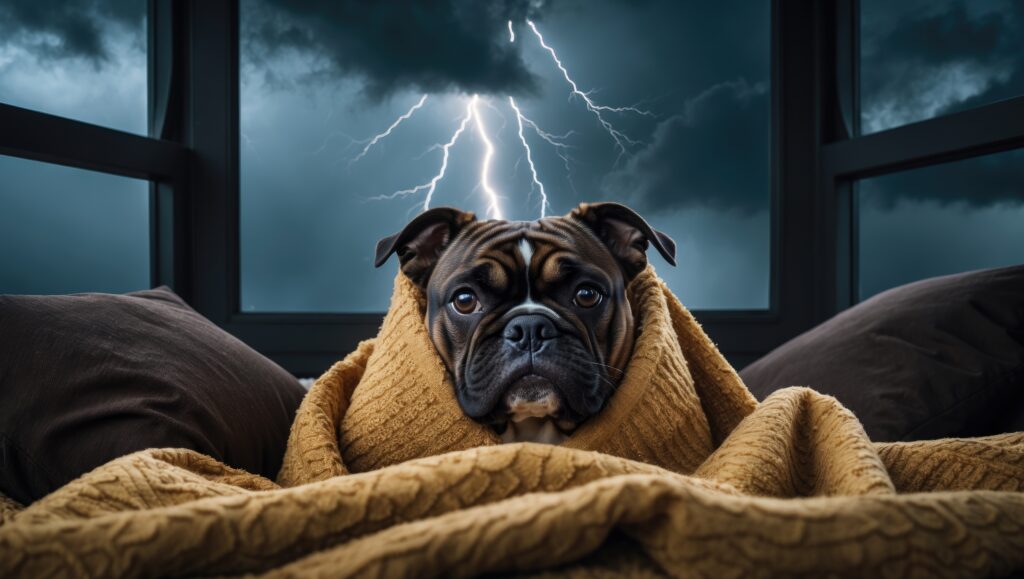
Thunderstorm Season Has Arrived. Is Your Pet Ready? Spring’s arrival means severe weather season, and for millions of pet owners, it also means weeks of managing an anxious dog or cat through the thunderstorms, tornado warnings, and atmospheric pressure swings that characterize April and May. Thunder phobia is one of the most common behavioral issues […]
Why Spring Is Flood Season: The Science Behind Rising Rivers
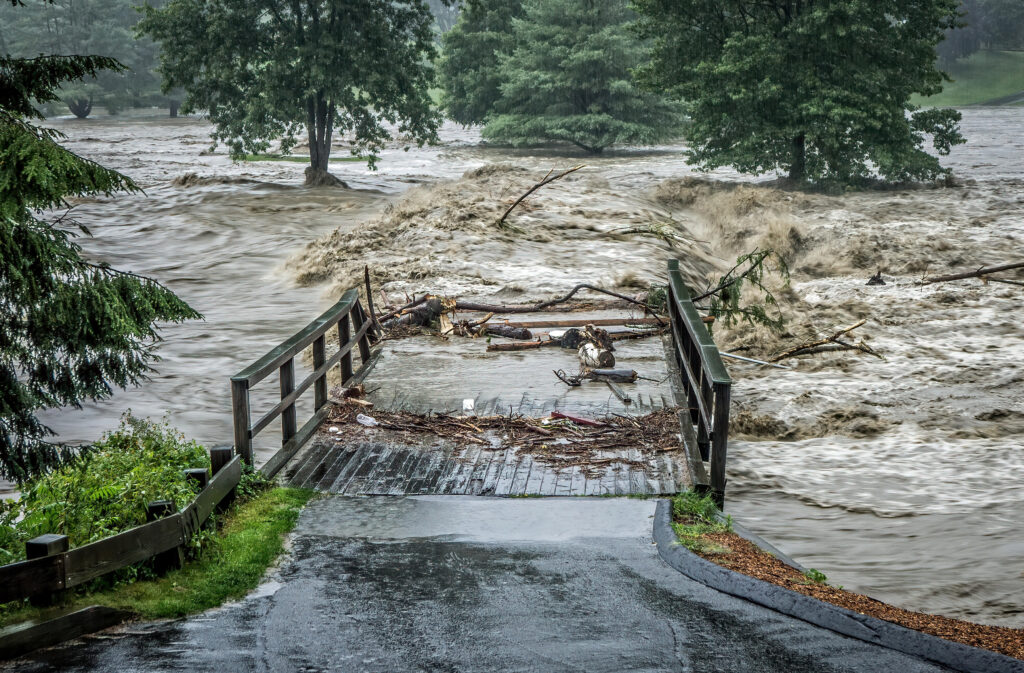
Rivers Rise Every Spring. Here’s Why It Happens—and Why Some Years Are Far Worse Than Others. Walk past a river in late March or April and it looks different than it did in January. The water is higher, faster, murkier, and often carrying debris — branches, foam, sometimes ice chunks — that it wasn’t carrying […]
Fire Up the Grill: First Cookout Recipes of Spring
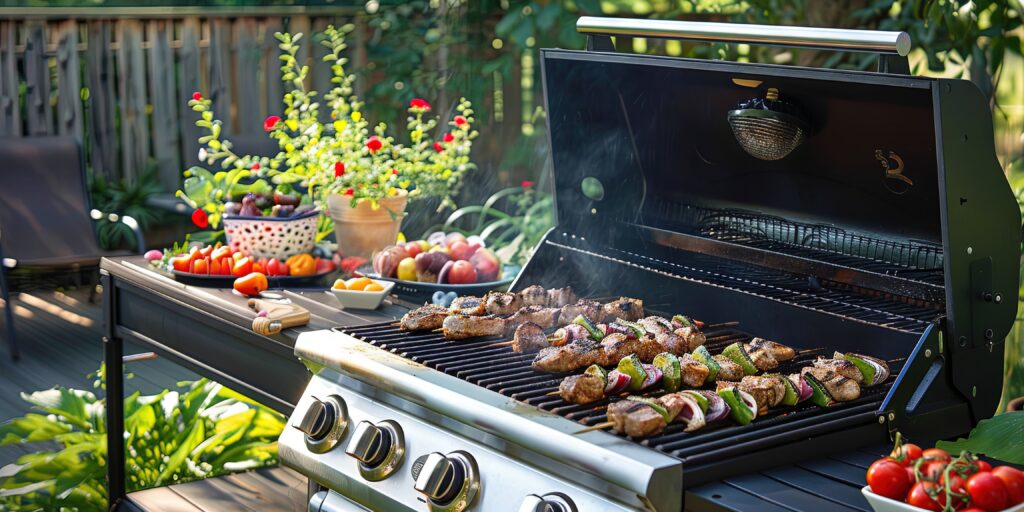
The Weather Finally Says Yes. Here’s What to Make. There’s a specific weekend every spring when the temperature crosses some invisible threshold and the grill suddenly becomes mandatory. Not a July grill-out with its reliable heat and long evenings — this is earlier, more tentative, more earned. The afternoons are warm enough to stand outside […]
Spring Weather Myths Debunked: What You Think You Know About the Season
Spring Has Its Own Set of Bad Weather Advice Every season comes with its own collection of folk wisdom, half-truths, and confident misinformation. Winter’s myths tend to involve cold and illness. Summer’s involve heat and hydration. Spring’s myths are a unique mix — some rooted in old agricultural lore, some passed down as common sense, […]
Why Rainbows Appear: The Optics of Spring’s Most Beautiful Weather Phenomenon
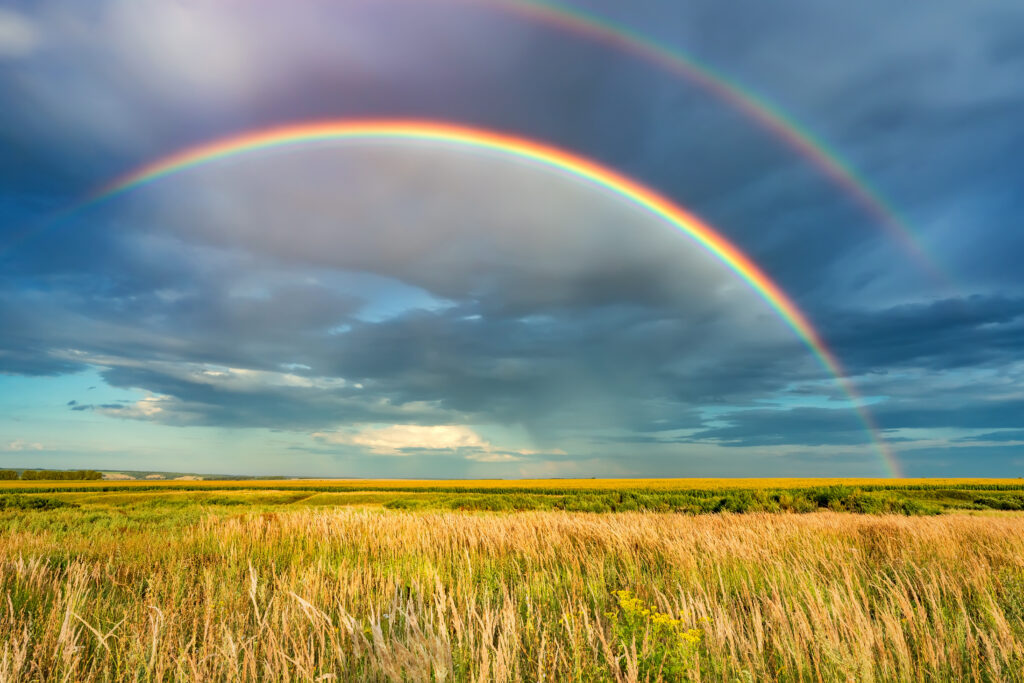
Spring Is Peak Rainbow Season — Here’s What’s Actually Happening in the Sky Few weather phenomena stop people in their tracks the way a vivid rainbow does. It appears suddenly, arcs across the sky in a perfect curve, and vanishes just as quickly — leaving the impression of something almost impossible, a trick the atmosphere […]
Why Spring Disrupts Your Sleep—and What to Do About It

You’re Not Imagining the Restless Nights Every spring, millions of people notice the same thing: sleep gets worse. They wake earlier than they want to, lie awake longer at night, feel groggy despite spending enough hours in bed, or find their carefully maintained sleep schedule suddenly unreliable. Conventional wisdom attributes all of this to the […]
Get Your Outdoor Spaces Ready for Spring: A Weekend Checklist
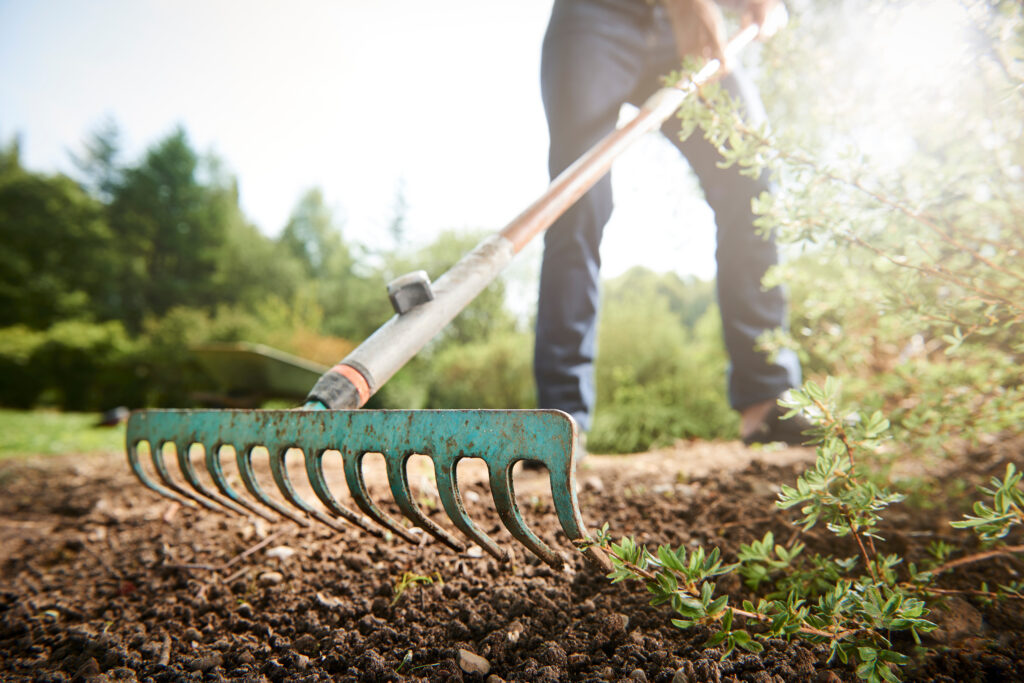
The Best Weekend of the Year to Head Outside With a Purpose Late March brings the first weekends that genuinely feel like working outside is a pleasure rather than a cold-weather chore. The temperatures are mild, the days are long enough to get things done, and the urge to be out in the yard after […]
The Great Flood of 1993: When the Midwest Went Underwater
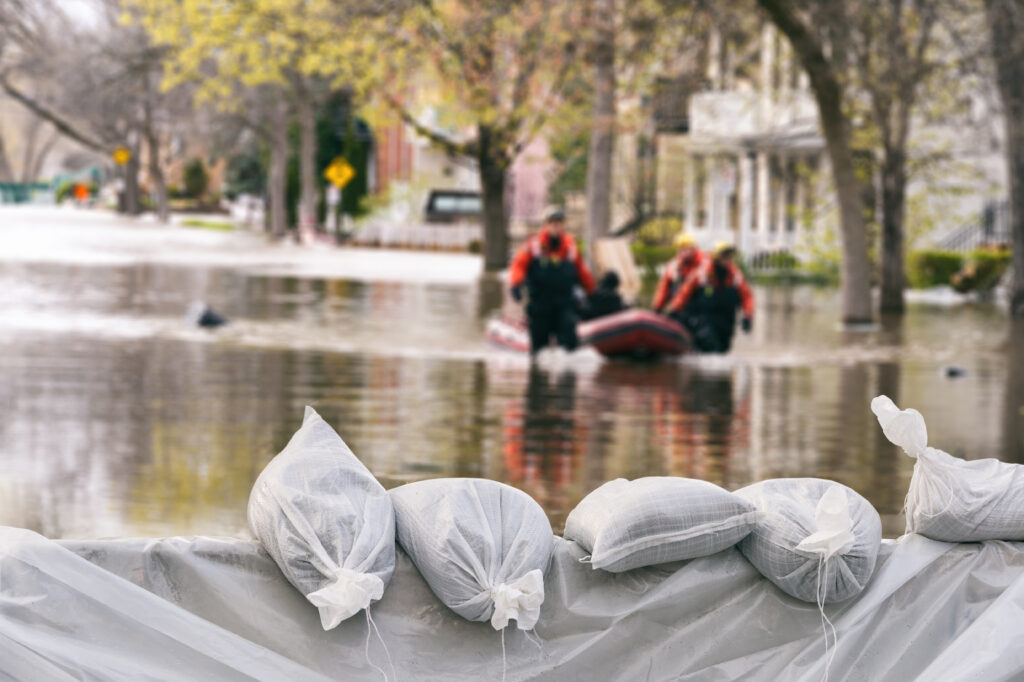
The Year the Mississippi Refused to Stay in Its Banks In the summer of 1993, the American Midwest experienced a flood so vast and so prolonged that meteorologists and hydrologists still use it as the benchmark against which all other river flooding is measured. For nearly three months, the Mississippi and Missouri river systems swelled […]
Why Spring Mornings Are So Foggy: The Science Behind the Season’s Hazy Dawns
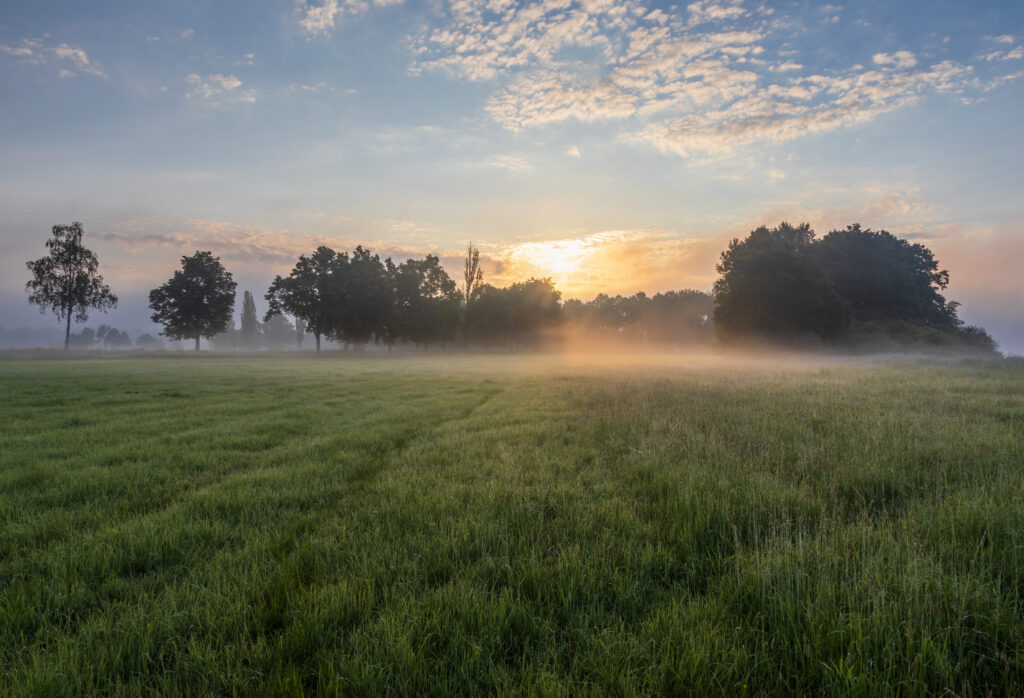
That Eerie Mist Has a Very Good Explanation Step outside on a late March or April morning and you may find the world has disappeared overnight. The trees at the end of your street are gone. Headlights float through a gray-white haze. The air feels damp and cool despite a warm forecast for the afternoon. […]
Why Spring Produces the Most Powerful Thunderstorms of the Year
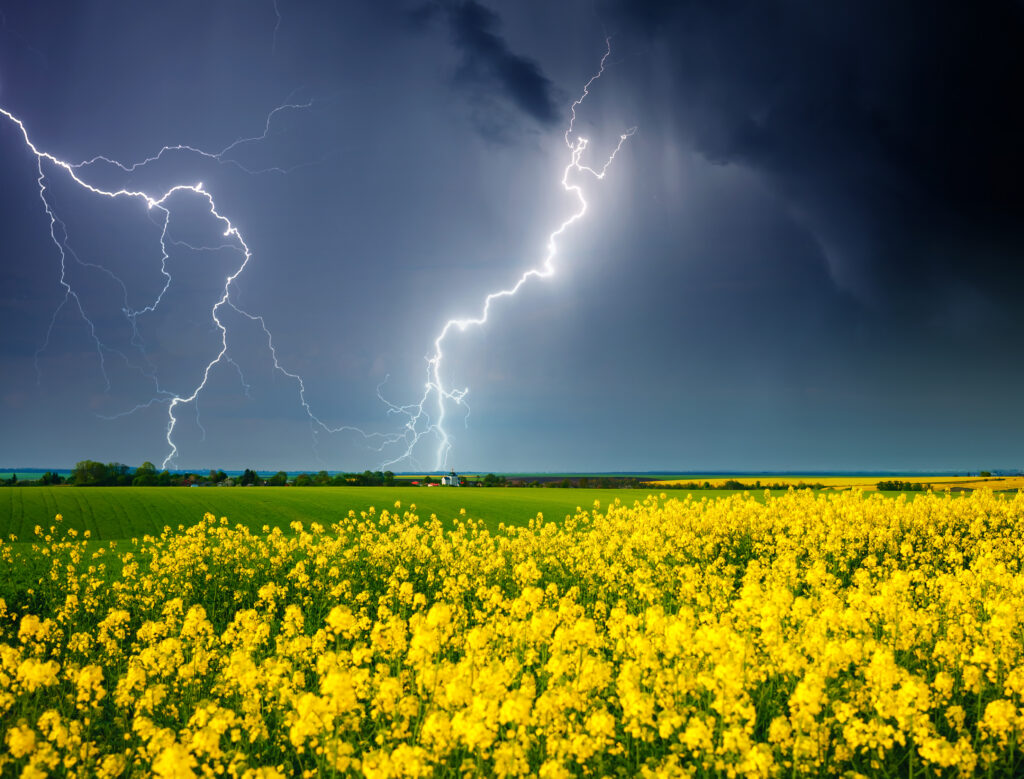
Thunder Season Has Arrived—Here’s Why It Peaks Right Now Late March through June is the most active severe weather period in the United States, and that’s not a coincidence. The same atmospheric conditions that make spring so changeable and unpredictable also create the ideal recipe for powerful thunderstorms—sometimes including tornadoes, large hail, and damaging winds. […]