The Deadliest Storm in Great Lakes History
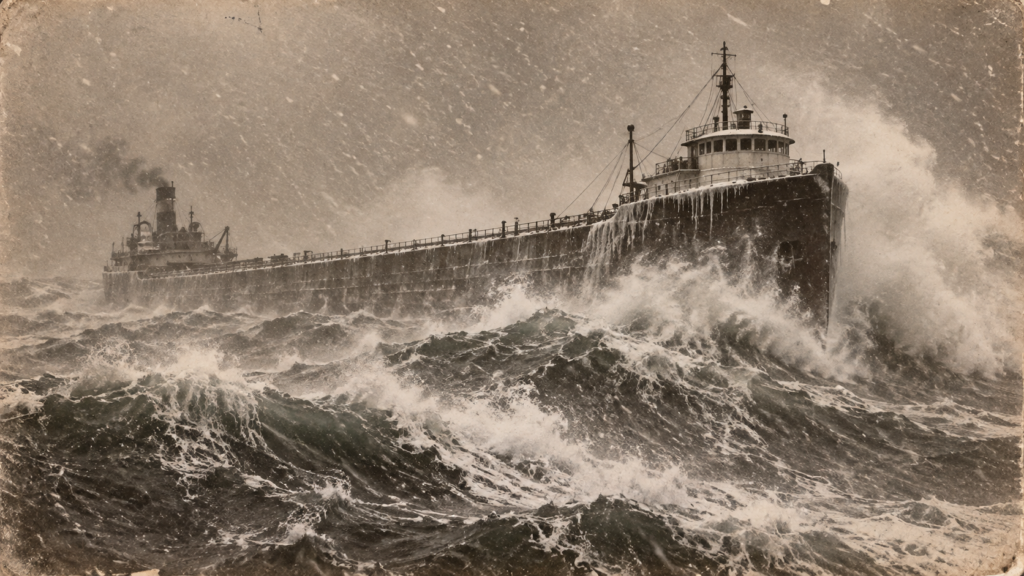
In early November 1913, a ferocious storm swept across the Great Lakes and became the deadliest natural disaster ever to strike those waters. Over roughly four days, from November 7 to 10, the storm sank a dozen ships, drove many others aground or badly damaged them, and killed more than 250 sailors. It was called the White Hurricane, a name that captured both the hurricane-force winds and the blinding snow that came with them.
Why November Is So Dangerous on the Lakes
The Great Lakes have long been known for dangerous late-fall weather, and the reason is a matter of seasonal physics. In November, the lakes are still holding much of the heat they absorbed over the summer, while cold air from Canada pushes south over them. That contrast fuels storm development and feeds heavy snow. Sailors have a tradition of calling this stretch the “gales of November,” and by the early twentieth century, shipping companies were pressing hard to get the last cargoes of the season, particularly iron ore and grain, delivered before winter.
That pressure meant large numbers of ships were still on the water in early November 1913, many of them crowded with cargo and under tight schedules.
Two Storm Systems Collide
The storm’s ferocity came from the convergence of two separate weather systems. A strong system moved in from the west and a second, moisture-rich low approached from the south, and the two merged over the lakes into a single, enormously powerful storm. Cold air over warm water added still more energy.
The result was sustained winds that reached hurricane force in places, waves reported at 30 feet and higher, and snowfall heavy enough to cut visibility to almost nothing. Lake Huron was hit particularly hard, but the storm affected all of the lakes in some way.
A Region Buried in Snow
The storm’s effects weren’t limited to the water. On land, a major blizzard paralyzed lakeside cities. Cleveland received more than 20 inches of snow, enough to shut down streetcars, disrupt telephone and telegraph lines, and leave residents stranded in their homes for days. Communities across Ohio, Michigan, and Ontario faced similar disruption, and in many places, it took considerable time simply to clear the streets and restore normal life.
The Ships That Never Returned
The loss of life at sea was staggering. Several vessels disappeared with all hands, and wreckage and bodies washed ashore in the days that followed. One of the strange episodes of the storm involved a freighter that was found floating upside down in Lake Huron, its crew gone, and the confusion over which ship it actually was became a source of lasting mystery for investigators and families alike.
Many of the ships lost were among the largest and most modern freighters on the lakes, which made the disaster particularly shocking. If those vessels could not survive, it was clear that no ship was truly safe in such conditions.
Lessons About Forecasting and Safety
The storm exposed real weaknesses in how warnings reached ships on the lakes. Forecasting in 1913 relied on a limited network of observations and on telegraph communication, and warnings issued by the Weather Bureau, while they did exist, did not always capture the full severity of what was coming or reach every vessel in time. Ships at sea had no way to receive updated information once they had left port.
In the years that followed, the storm contributed to improvements in storm warning systems, communication with ships, and ship design and safety practices on the Great Lakes. Over the following decades, advances in weather forecasting, radio communication, and eventually satellite and radar technology made lake shipping dramatically safer, though the lakes remain dangerous in severe weather.
A Storm Still Remembered Every November
More than a century later, the White Hurricane of 1913 remains a defining event in the history of the Great Lakes and a reminder of the power of late-fall storms. The same seasonal conditions that produced it, cold air meeting warm water, still create powerful storms on the lakes each November, and the memory of the 1913 disaster continues to shape how mariners and forecasters approach the season.