The Holiday Is Over. Your Pet May Not Know That Yet.
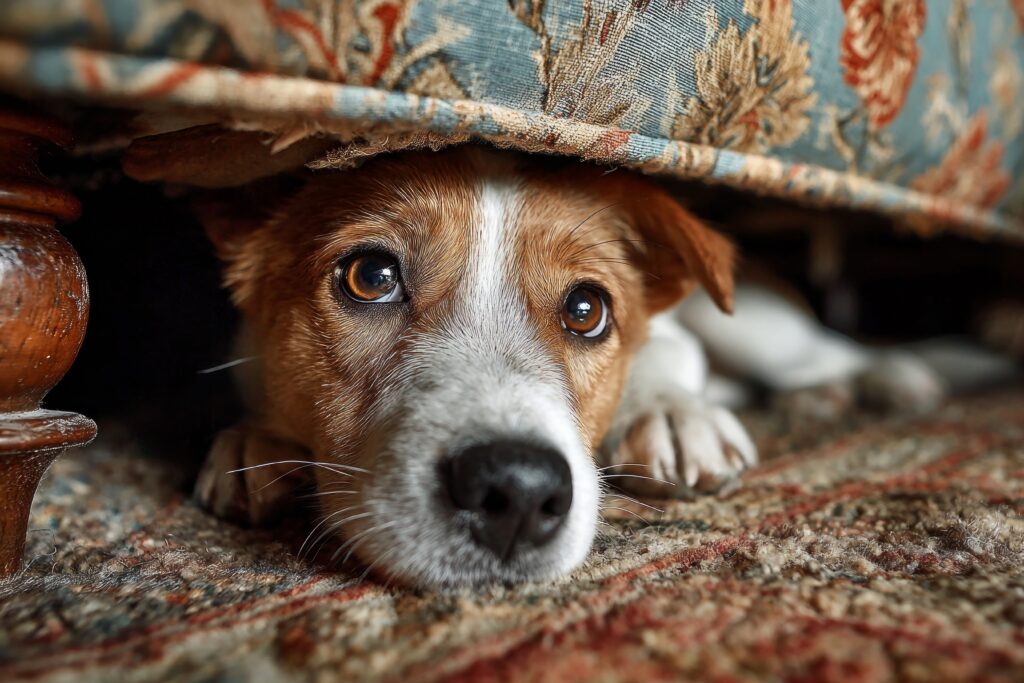
The Fourth of July fireworks displays are finished, but for many pets — particularly those that experienced significant anxiety — the recovery from the holiday isn’t instantaneous. Animals that spent Friday night in acute stress may show behavioral changes in the days that follow: decreased appetite, increased clinginess or withdrawal, disrupted sleep, continued vigilance, or jumpiness at sounds that wouldn’t normally bother them. This post-stress recovery period is real, physiologically grounded, and worth understanding rather than dismissing as the pet being dramatic.
For owners whose pets escaped during the holiday — the largest category of lost pets in the year — the immediate days after the Fourth are the critical window for recovery efforts. And for everyone with a pet that struggled through the fireworks, the post-holiday period is a useful time for honest assessment of what worked, what didn’t, and what to do differently next year.
The Physiology of Post-Stress Recovery
When a pet experiences acute fear — the kind produced by fireworks, with the sudden explosive sounds, light flashes, and the inability to escape the stimulus — the sympathetic nervous system activates fully. Stress hormones including cortisol and adrenaline flood the bloodstream, heart rate and respiratory rate elevate, and the body enters a state of physiological arousal that is designed for short-term threat response.
After the acute threat passes, the parasympathetic nervous system works to restore baseline — a process called recovery or downregulation. In healthy animals with moderate stress responses, this recovery occurs within hours. In animals that experienced prolonged, intense fear — as many pets do during multi-hour fireworks events — the elevated cortisol can persist for 24 to 72 hours after the event, producing the lingering behavioral changes that owners notice in the days following the holiday.
Cortisol suppresses appetite, which explains why some pets refuse food the day after the Fourth. Elevated cortisol also affects sleep architecture — the same mechanism that warm-weather sleep disruption operates through — producing restless, fragmented sleep rather than the deep recovery sleep the animal needs. And chronically elevated cortisol suppresses immune function, which is why pets that experienced severe stress may be slightly more vulnerable to illness in the following week.
These are not behavioral problems requiring correction. They are physiological recovery processes requiring support. The correct response is patience, routine, and gentle normalization rather than correction, additional stimulation, or concern that something is permanently wrong with the animal.
Supporting Recovery: What Actually Helps
Restore routine as quickly as possible. The predictability of familiar routine is one of the most powerful stress-reduction signals available to domestic animals. Feeding at normal times, walks at normal times, the normal sequence of daily events — these cues communicate that the environment has returned to normal in a way that explicit reassurance alone cannot. A pet whose daily routine has been disrupted by the holiday weekend benefits from the restoration of normal schedule as early as the day after the Fourth.
Keep the environment calm. The day or two after a significant stress event is not the time for loud gatherings, new visitors, or other stimulation that would add to an already elevated baseline arousal. A quiet, calm household environment supports the nervous system’s return to baseline more effectively than distraction or entertainment.
Offer food without pressure. A pet with suppressed post-stress appetite should have normal meals available at normal times but should not be pressed to eat if they decline. Force-feeding or anxiety about the pet’s eating tends to add social pressure to an already stressed animal. Most pets resume normal eating within 24 to 48 hours as cortisol levels normalize. If appetite suppression persists beyond 48 to 72 hours, or is accompanied by lethargy, vomiting, or other concerning signs, veterinary consultation is appropriate.
Physical contact and calm presence. For pets that seek contact in the post-stress period — the dog that won’t leave your side, the cat that wants to be in the same room but not touched — providing calm, available presence without demanding interaction supports recovery. Let the animal regulate the level of contact rather than imposing it.
Avoid well-meaning overstimulation. Some owners, concerned about a post-fireworks quiet pet, try to cheer them up with extra play, extra treats, extra attention, or environmental novelty. These interventions can actually impede recovery by maintaining a higher arousal state when the nervous system is trying to downregulate. Calm and routine are more therapeutic than stimulation.
If Your Pet Is Still Missing
Animal shelters typically see their highest intake of the year in the days immediately following the Fourth of July — stray animals brought in by neighbors, good Samaritans, and animal control. If your pet escaped during the holiday, the days immediately following are the most critical for recovery, and specific actions taken now improve the odds of reunion significantly.
File reports at every nearby shelter immediately — not when they open next week, not when you’ve exhausted other options, but today. Many shelters are at capacity following the holiday and animals may be transferred between facilities. Filing reports at all shelters within a reasonable geographic radius of your home, and checking in person rather than by phone when possible, keeps your contact information current and allows you to see animals that may have been brought in without clear identification.
Post on neighborhood and community social media immediately. Local Facebook groups, Nextdoor, and apps like Pawboost have become significant recovery tools — community members who have seen or are currently sheltering a found animal are often looking for the owner. Post a recent photo, description, your contact information, and the specific location and circumstances of the escape. Update the post regularly to keep it visible in feeds.
Walk the neighborhood at dawn and dusk. Frightened animals that have run far from home often move at night when human activity is lower and may return toward familiar territory at dawn and dusk. Walking familiar routes calling the animal’s name, leaving out worn clothing with your scent near where the animal was last seen, and placing the animal’s bedding or litter box outside can help a disoriented animal find their way back.
Check the area near where the animal was last seen repeatedly. A frightened animal may be hiding within a much smaller area than owners assume — under a porch, in dense vegetation, in a neighbor’s shed. Animals in acute fear sometimes hide in place for days before emerging. A thorough, systematic search of the immediate neighborhood, including calling softly and listening for sounds, often finds animals that have been stationary nearby throughout the search.
Contact local veterinary offices and emergency clinics. Found animals are sometimes brought directly to veterinary offices rather than shelters, particularly if the finder is concerned about the animal’s condition. A brief phone call to nearby clinics with a description and contact information ensures your search covers this pathway.
Honest Assessment for Next Year
The days after the Fourth are also the right time — while the experience is fresh — to assess honestly how your pet managed and what interventions were effective or inadequate.
A pet that experienced severe fireworks anxiety despite preparation — that destroyed property, injured itself trying to escape, or showed physiological signs of extreme distress — warrants a veterinary conversation about pharmaceutical options before next year’s season. The pre-holiday piece published before the Fourth covered the medication options available; the point here is that the post-holiday period, when the memory of what the animal went through is vivid, is the right time to have that conversation rather than waiting until next June.
A pet that managed reasonably well with the preparation you provided — secure safe space, familiar bedding, white noise, your calm presence — has shown you what works. Repeat and refine that approach next year.
A pet that managed well this year may not manage as well next year — fireworks anxiety tends to worsen with repeated exposure rather than improve through habituation, a pattern opposite to what many owners assume. The absence of severe anxiety this year is not a reason to do less preparation next year; it is a reason to maintain what you did this year.
The Aftermath Is Part of the Event
The Fourth of July fireworks event doesn’t end when the last shell bursts. For pets that experienced significant stress, it ends when they have physiologically recovered — when cortisol has normalized, appetite has returned, and the nervous system has downregulated back to its pre-stress baseline. That recovery period deserves the same thoughtful attention that the event preparation does.
For the animals that are still missing, the aftermath is the recovery effort itself — and every hour matters in the window when shelters are full and community attention is highest. For the animals back home but not quite themselves, the recovery is quieter and less urgent but equally real.