A Term That Gets Used Loosely, But Has a Real Definition
As September gets underway, you’ll likely start hearing the phrase “Indian summer” tossed around to describe any stretch of warm weather that shows up later in the year. But among meteorologists, the term has a more specific meaning than casual usage suggests, and understanding the actual atmospheric setup behind a genuine Indian summer explains why this particular kind of late-season warmth develops the way it does.
The Actual Definition Requires a Cold Snap First
A true Indian summer, by the definition most commonly used in meteorology, isn’t simply any warm spell that happens in autumn—it specifically refers to a period of unseasonably warm, calm weather that occurs after the season’s first significant cold snap or frost. This sequencing matters: without an initial cold period establishing a genuine seasonal transition, a warm stretch in September or October is just ordinary late-summer or early-fall warmth, not a true Indian summer in the traditional meteorological sense.
This means the earliest a genuine Indian summer can occur in most regions is typically mid-to-late autumn, after at least one real taste of cooler, more fall-like conditions has already arrived and then temporarily reversed.
The Atmospheric Setup Behind the Warmth
Indian summers typically develop when a strong, stationary area of high pressure settles over a region after that initial cold front has passed through. High-pressure systems are associated with sinking air, clear skies, and calm winds, and this particular combination allows daytime heating to build efficiently without the cloud cover or wind that would otherwise limit how warm temperatures can climb.
The timing often coincides with a temporary retreat of the jet stream to a more northerly position, allowing a brief return of warmer air masses that had been present earlier in the season, before the jet stream’s more typical autumn position reasserts itself and brings a return to more consistently cool conditions.
Why It Feels So Distinctly Different From Summer Heat
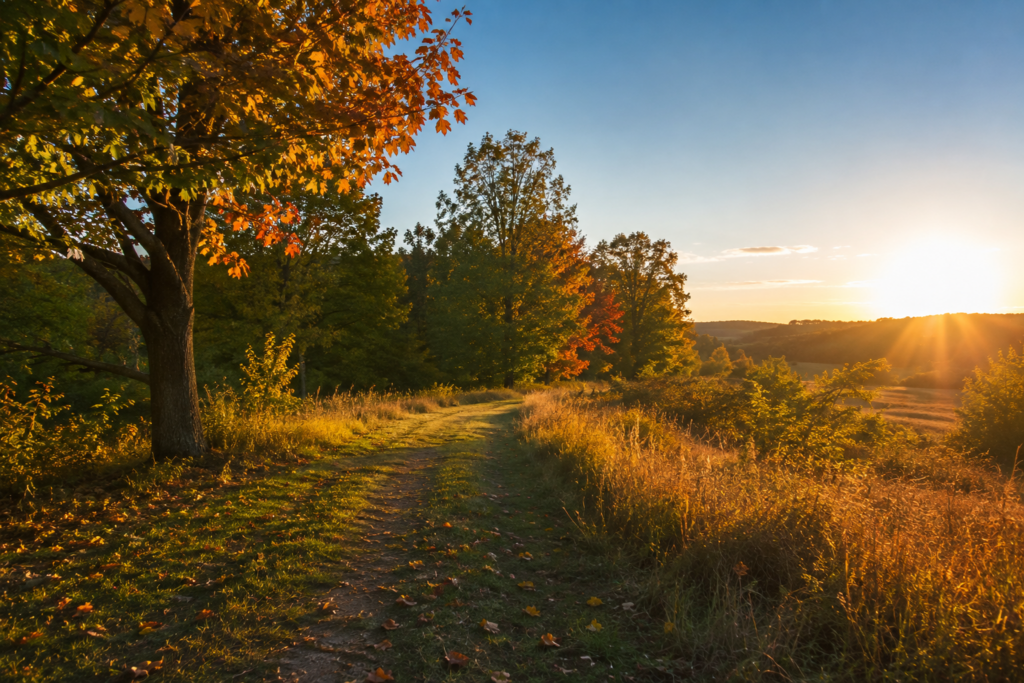
Even though an Indian summer can produce daytime temperatures rivaling those of summer, it typically feels meaningfully different due to several factors related to the sun’s changing position and the surrounding environment. The sun sits at a considerably lower angle in the sky by the time a genuine Indian summer occurs, producing longer shadows and a different quality of light even during the warmest part of the day. Nights remain cool despite warm afternoons, since shorter daylight hours and a lower sun angle mean less accumulated daily heating compared to true summer conditions, and humidity is typically much lower than summer’s characteristic mugginess, contributing to the crisp, clear quality often associated with Indian summer weather.
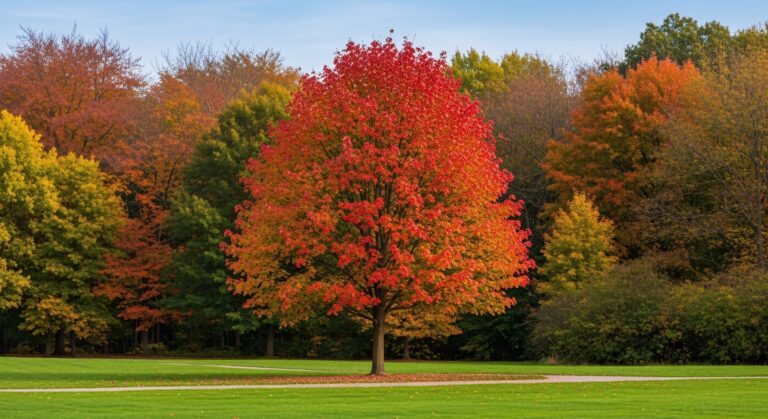
The surrounding visual environment—changing leaf color, shorter days, and the general seasonal cues already in progress—also contributes to the distinctly autumnal character of an Indian summer, even during its warmest afternoons.
Where the Term Comes From
The origin of the phrase itself is somewhat debated among historians and linguists, with some accounts tracing it to early American colonists’ observations of the phenomenon in regions where Native American communities lived, though the exact etymology isn’t definitively settled. The term has been in common use in North America since at least the late 18th century, making it one of the older pieces of persistent weather terminology still in regular circulation today.
Similar phenomena occur in other parts of the world under different names—a comparable late-season warm spell is sometimes called “old wives’ summer” in parts of Europe, and “St. Martin’s summer” in French-speaking regions, referencing the timing around St. Martin’s Day in mid-November.
Why This Distinction Actually Matters
Understanding the real definition—warmth specifically following an initial cold snap, rather than simply any late-season warm stretch—helps set more accurate expectations for how the rest of a given fall season might unfold. A true Indian summer represents a temporary reversal within an already-established cooling trend, not a sign that the seasonal transition itself has stalled or reversed, which is a meaningfully different signal than an extended stretch of unseasonable early-fall warmth that never experienced a genuine cold snap in the first place.