The Front Passed. The Kitchen Is Open.
There is a specific pleasure in the first real cooking after a heat wave breaks — the moment when the temperature drops enough that turning on the oven doesn’t feel like a hostile act, when the kitchen is inviting again rather than oppressive, and when the urge to actually make something returns after days of cold noodles and gazpacho and shrimp cocktail eaten standing in front of an open refrigerator.
The post-frontal day after a heat wave has a particular quality of light and air that deserves food to match: clean, clear, bright, with the specific appetite that comes from days of eating minimally and the satisfaction of finally being able to cook the things you were thinking about during the heat. These recipes are for that day — the first weekend after the East Coast heat wave breaks, when the air smells different and the kitchen is yours again.
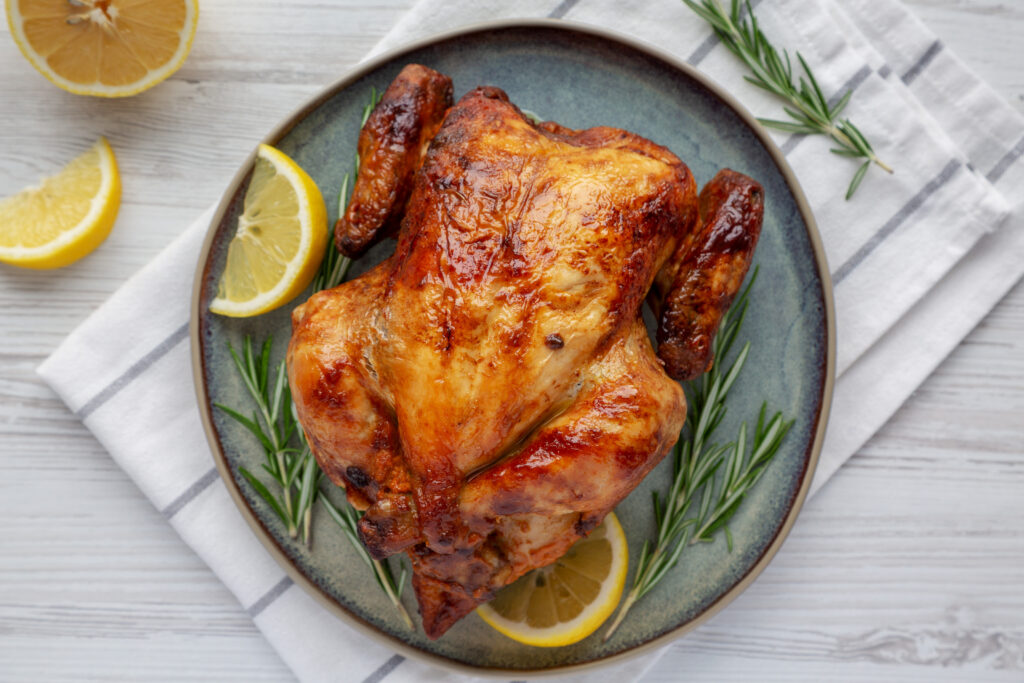
Roast Chicken with Lemon and Garlic
Roast chicken is the meal that heat waves deny you most completely. The oven runs for an hour and fifteen minutes at 425°F — genuinely unreasonable when the heat index is 110°F — and the result is something that can’t be approximated cold or without heat. When the front finally breaks and overnight temperatures drop back to the 60s, roast chicken is what the kitchen wants to make.
Remove a 4-pound chicken from the refrigerator an hour before cooking. Pat dry thoroughly — moisture on the skin prevents crisping. Stuff the cavity with a quartered lemon, a head of garlic cut in half horizontally, and several sprigs of fresh thyme. Rub the outside all over with two tablespoons of softened butter, salt generously, and add black pepper.
Place breast-side up in a cast iron skillet or roasting pan. Roast at 425°F for 60 to 75 minutes until the skin is deeply golden and the juices run clear when the thigh is pierced. Let rest 15 minutes before carving — this step is not optional, the resting allows the juices to redistribute.
While the chicken rests, make a quick pan sauce: pour off most of the fat from the pan, add a splash of white wine or chicken broth, and scrape up the browned bits over medium heat. Add a tablespoon of butter and swirl to combine. Spoon over the carved chicken.
Why now: This is the first meal that celebrates the return of the kitchen. The smell of a roasting chicken filling the house after days of cold cooking is genuinely restorative — as much an emotional reset as a dinner.
Pasta with Brown Butter, Sage, and Parmesan
Brown butter pasta is what happens when you want to cook something that uses the stove but not for very long, that tastes like more effort than it requires, and that the heat wave’s days of cold noodles have made you genuinely hungry for. Active cooking time is under 15 minutes.
Cook a pound of pasta — rigatoni, pappardelle, or any shape you enjoy — in well-salted boiling water until just al dente. While the pasta cooks, melt six tablespoons of butter in a wide skillet over medium heat, swirling occasionally, until the butter turns golden amber and smells nutty — four to five minutes. Add a dozen fresh sage leaves and let them crisp for 30 seconds, then remove from heat.
Reserve a cup of pasta water before draining. Add the drained pasta to the browned butter, toss over medium heat, adding pasta water by the splash until the sauce is glossy and coats the pasta. Remove from heat and add a generous amount of grated Parmesan — at least half a cup — tossing to combine. Taste for salt and add more pasta water if needed.
Serve immediately, with more Parmesan and a few of the crisped sage leaves on top.
Why now: This is the meal for the first evening after a heat wave, when you want the comfort of hot pasta and the satisfaction of a real sauce but don’t want to cook for an hour. The browned butter takes five minutes and makes the dish.
Sheet Pan Sausages with Peppers and Onions
Sheet pan dinners are the ideal post-heat-wave meal for a crowd — everything goes on one pan, into the oven, and comes out ready. The late-July peppers and onions covered in the peak summer produce piece are at full ripeness right now and are exactly what this dish needs.
Slice four bell peppers (mixed colors) and two large onions into thick strips. Toss with two tablespoons of olive oil, a teaspoon of dried oregano, salt, and pepper. Spread on a large rimmed baking sheet. Nestle six to eight Italian sausages — sweet, hot, or a mix — among the vegetables.
Roast at 425°F for 35 to 40 minutes, turning the sausages once halfway through, until the sausages are cooked through and browned and the peppers and onions are caramelized at the edges. Serve directly from the pan with crusty bread.
Why now: The oven does all the work. The late-July peppers are at their sweetest. And after days of cold food, something roasted and caramelized from the oven tastes like cooking has returned to its proper place in the household.
Blueberry Buckle
A buckle is a simple cake with fruit folded into or scattered across the batter, topped with a streusel that sinks slightly as it bakes — producing a dense, tender cake that is somewhere between breakfast and dessert and is better the day after it’s made. Late July blueberries are at peak ripeness and sweetness right now, which makes this the moment.
For the cake: cream together six tablespoons of softened butter with three-quarters cup of sugar until light. Beat in two eggs and a teaspoon of vanilla. Add one and a half cups of flour, two teaspoons of baking powder, and half a teaspoon of salt alternately with half a cup of whole milk. Fold in two cups of fresh blueberries. Spread in a buttered 9-inch square or round baking pan.
For the streusel: combine half a cup each of flour and brown sugar, half a teaspoon of cinnamon, and four tablespoons of cold butter cut into pieces. Work together with fingers until crumbly. Scatter over the batter.
Bake at 375°F for 45 to 50 minutes until a toothpick comes out clean and the top is golden. Serve warm or at room temperature, with whipped cream or a scoop of vanilla ice cream.
Why now: Turning on the oven for a cake — not for survival, not for efficiency, but because you want to make something that fills the house with the smell of baking — is the specific pleasure that a heat wave denies and its passing restores. Late July blueberries are the right fruit for the right week.
The Return of the Kitchen
Days of cold cooking — gazpacho and cold noodles and shrimp cocktail and no-bake everything — are good strategy and reasonable survival during a heat wave. They are not the same as cooking. The kitchen that was too hot to use is available again, and the appetite that heat suppresses has returned with the cooler air.
Roast something. Brown some butter. Put a pan in the oven and let it do its work. The front has passed and the kitchen is open.