A Feast Full of Hazards at Nose Level
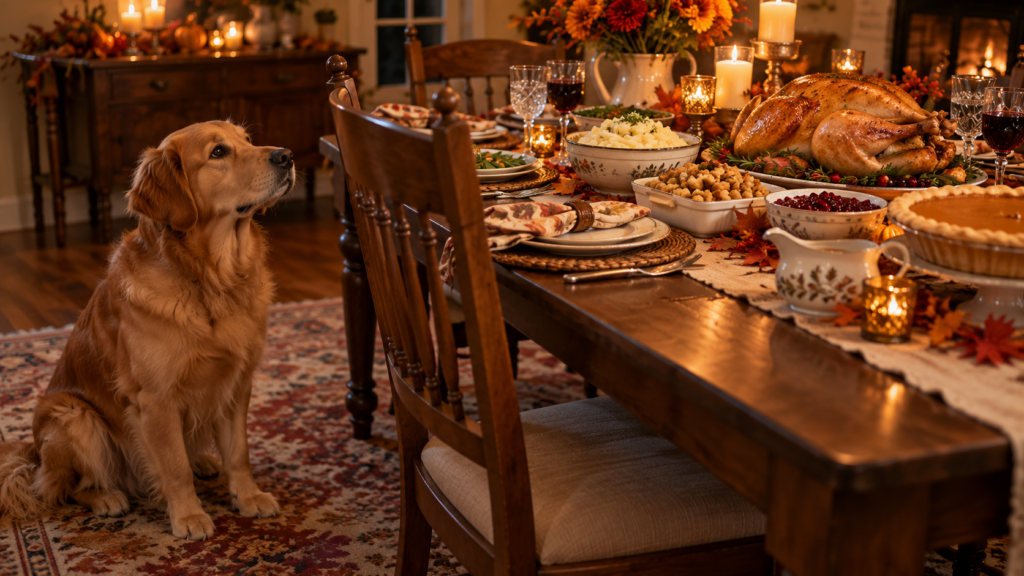
Thanksgiving is one of the busiest weeks of the year for emergency veterinary clinics, and the reason is easy to see. The holiday table is full of rich, seasoned foods, and a house full of guests creates plenty of chances for a pet to snatch a scrap or raid a trash can. A little planning now, before the cooking starts, makes it much easier to enjoy the day without a late-night trip to the vet.
Turkey Skin, Fat, and Drippings
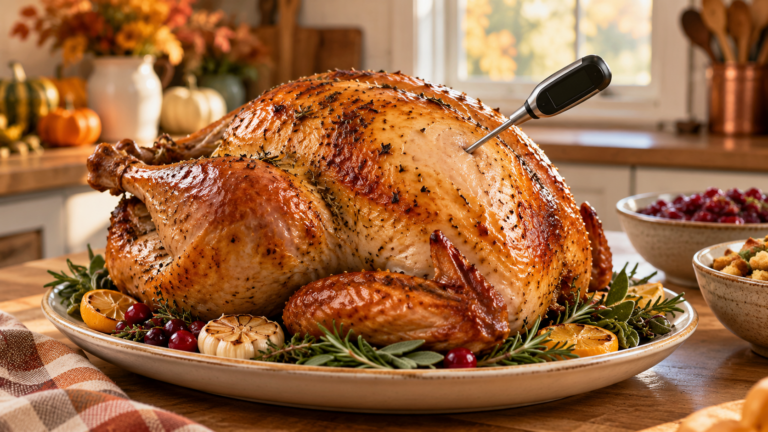
Rich, fatty foods are among the most common causes of holiday pet illness. Turkey skin, gravy, and drippings can trigger pancreatitis, an inflammation of the pancreas that causes vomiting, abdominal pain, lethargy, and loss of appetite. It can be serious and sometimes requires hospitalization. A small bite of plain, cooked, boneless turkey meat is generally fine for most dogs, but the skin and fatty trimmings are best avoided.
Bones Are a Real Danger
Cooked poultry bones can splinter and cause choking, mouth injuries, or damage to the digestive tract. They are not a safe treat for dogs or cats. Dispose of the carcass in a tightly closed outdoor trash container or a bin your pet can’t open, since pets will go to considerable lengths to reach it.
Onions, Garlic, and Their Relatives
Onions, garlic, leeks, and chives are toxic to dogs and cats and can damage red blood cells, leading to anemia. This applies whether they are raw, cooked, or powdered, and many holiday dishes, including stuffing, gravy, and casseroles, are loaded with them. Cats are especially sensitive. Keep seasoned dishes out of reach and avoid giving pets table scraps from these recipes.
Grapes, Raisins, and Desserts
Grapes and raisins can cause kidney failure in dogs, even in small amounts, and the reason isn’t fully understood. They show up in salads, stuffings, and baked goods. Chocolate is another danger, particularly dark and baking chocolate, and pies and desserts may contain it. Sugar-free baked goods and candies may contain xylitol, a sweetener extremely dangerous to dogs that can cause a sudden drop in blood sugar and liver damage.
Unbaked Dough, Alcohol, and Other Surprises
Raw yeast dough can expand in a pet’s stomach and produce alcohol as it ferments, which can lead to bloating and poisoning. Alcoholic drinks left at pet level can also be hazardous, since even small amounts can be dangerous to animals. Nutmeg, used in many pies and sweet potato dishes, can cause problems in larger amounts, and macadamia nuts are toxic to dogs.
Table Scraps From Well-Meaning Guests
Guests often slip pets bites of food without knowing which items are safe. Letting visitors know ahead of time, or giving them a bowl of pet-safe treats to offer instead, keeps the generosity from turning into a problem. Plain green beans, a bit of plain cooked sweet potato, or a spoonful of plain pumpkin are generally safe alternatives for dogs, in modest amounts.
Keep Pets Away From the Action
A quiet room with a comfortable bed, water, and a chew toy gives pets a safe space away from the kitchen and the front door, where food and visitors are concentrated. This also helps anxious pets avoid the stress of a noisy gathering and reduces the chance of an open door leading to an escape.
What to Do if Your Pet Eats Something Risky
If you suspect your pet has eaten something dangerous, call your veterinarian or an animal poison control hotline right away rather than waiting for symptoms. Know in advance which emergency clinic is open on the holiday, and keep the numbers handy, since regular offices may be closed on Thanksgiving day. Having this information ready can save precious time if a problem arises.
A Happier Holiday for Everyone
The goal isn’t to leave pets out of the celebration, but to keep the dangerous foods out of paws’ reach. With a bit of preparation, pets can enjoy the day safely alongside everyone else, and the humans can focus on the meal instead of the vet.