Late Summer’s Abundance Doesn’t Have to Go to Waste
Mid-to-late August brings peak harvest for many of summer’s most productive crops—tomatoes, peppers, corn, zucchini, and herbs are often arriving faster than most households can eat them fresh, whether from a home garden or a particularly generous week at the farmers market. Rather than letting a surplus go to waste, a handful of simple preservation techniques can extend that abundance well into the colder months, with far less effort than most people expect.
Freezing Tomatoes Without Any Blanching
Tomatoes are often at their most overwhelming abundance in late summer, and freezing them is far simpler than most people realize. Wash and core whole tomatoes, then simply freeze them whole on a baking sheet before transferring to freezer bags once solid. There’s no need to blanch or peel them first—freezing actually makes the skins slip off effortlessly once thawed, since the freezing process breaks down the connection between skin and flesh.
Frozen tomatoes work best in cooked applications like sauces, soups, and stews rather than fresh preparations, since freezing softens their texture considerably. A bag of frozen summer tomatoes turns into a genuinely excellent base for a winter pasta sauce, tasting far closer to fresh summer tomatoes than anything available at the grocery store in January.
Quick Refrigerator Pickles
Traditional canning requires specific equipment and careful attention to safety procedures, but quick refrigerator pickles skip all of that while still preserving vegetables for weeks. Slice cucumbers, green beans, or even peppers into spears or rounds, and pack them into clean jars. Heat a mixture of equal parts water and vinegar with a few tablespoons of sugar and salt, along with garlic cloves, dill, and red pepper flakes if you like some heat, until the sugar and salt dissolve.
Pour the hot brine over the packed vegetables, let the jars cool to room temperature, then refrigerate. These pickles are ready to eat within 24 hours and keep well for two to three weeks—not a shelf-stable preservation method, but an easy way to extend a vegetable surplus by several weeks without any specialized canning equipment.
Freezing Corn Off the Cob
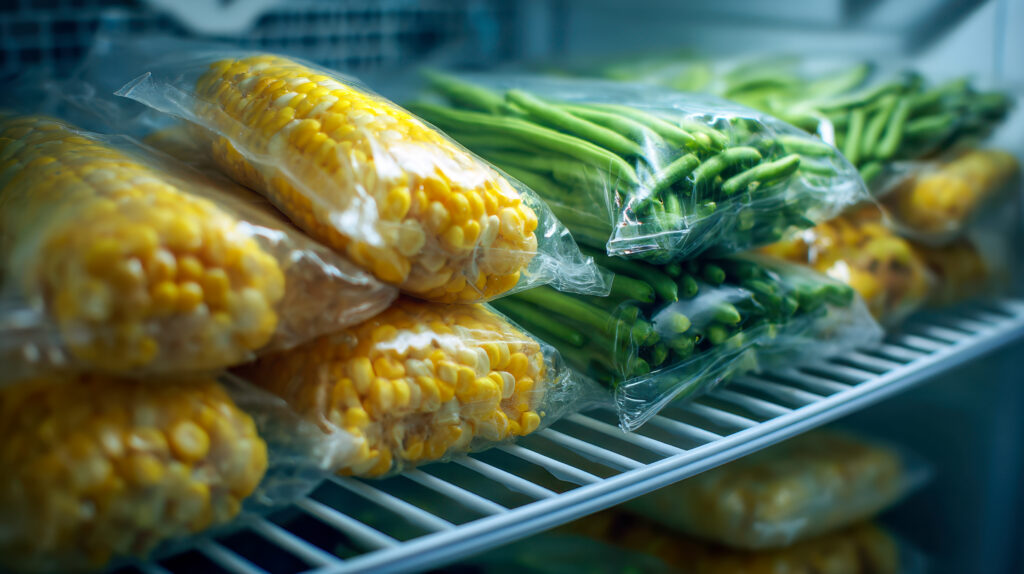
Fresh corn freezes remarkably well and retains much of its sweet, just-picked flavor if processed promptly after harvest or purchase. Husk the corn, blanch the ears in boiling water for about four minutes, then immediately transfer to an ice bath to stop the cooking process. Once cooled, cut the kernels off the cob with a sharp knife and spread them on a baking sheet to freeze individually before transferring to freezer bags.
This individual freezing step, sometimes called flash freezing, prevents the kernels from clumping into a solid mass, making it easy to scoop out just the amount you need for a single recipe throughout the winter months.
Herb Oil and Butter for the Freezer
Fresh herbs like basil, parsley, and cilantro tend to wilt and lose flavor quickly, but freezing them in oil or butter preserves both their texture-friendly usability and much of their fresh flavor. Finely chop herbs and pack them into ice cube trays, then cover with olive oil (for savory cooking applications) or melted butter, and freeze until solid. Pop out the cubes and store in a freezer bag.
Each cube becomes a ready-to-use flavor addition for winter cooking—drop one directly into a pan of sautéing vegetables or a simmering soup, and it delivers a burst of genuinely fresh-tasting herb flavor that dried herbs can’t quite replicate.
Simple Roasted Tomato Sauce for the Freezer
For a slightly more involved but deeply rewarding project, roasting a large batch of tomatoes with olive oil, garlic, and salt until they’ve softened and caramelized, then blending them into a sauce, produces a deeply flavorful base that freezes beautifully in portioned containers or freezer bags. This roasted sauce carries more concentrated flavor than a quick raw preparation, largely because roasting drives off excess water and develops the natural sugars in the tomatoes through caramelization.
Portioning the finished sauce into single-meal freezer bags, laid flat to freeze, makes for a convenient winter dinner shortcut that tastes distinctly like summer even months after the growing season has ended.
A Small Investment Now, Flavor All Winter
None of these techniques require special equipment, extensive time, or canning expertise—just a willingness to spend a bit of extra effort at the height of the season’s abundance. The payoff comes months later, when a taste of genuinely ripe summer produce is otherwise unavailable, and a freezer full of preserved harvest turns an ordinary winter meal into something that tastes distinctly like the garden in August.