Thunderstorm Season Has Arrived. Is Your Pet Ready?
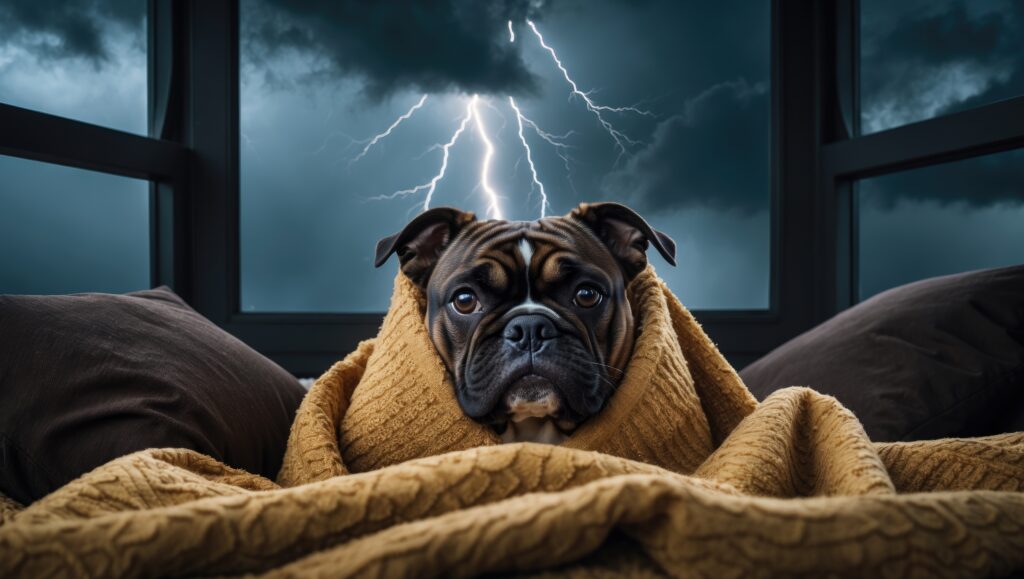
Spring’s arrival means severe weather season, and for millions of pet owners, it also means weeks of managing an anxious dog or cat through the thunderstorms, tornado warnings, and atmospheric pressure swings that characterize April and May. Thunder phobia is one of the most common behavioral issues in dogs — estimates suggest anywhere from 15 to 30 percent of dogs experience significant storm-related anxiety — and cats, while typically less demonstrably distressed, can be profoundly affected as well.
Beyond the behavioral challenge, spring’s severe weather introduces real safety risks for pets that require advance planning. Knowing how to help an anxious animal through a storm and how to keep pets safe during the most dangerous severe weather events are two different problems, and spring is the time to address both.
Why Storms Trigger Such Intense Fear in Pets
Dogs in particular experience thunderstorms as a multi-sensory assault that humans don’t fully register. The low-frequency rumble of thunder includes infrasound — frequencies below the range of human hearing — that dogs detect and that may be physically uncomfortable at close range. Barometric pressure drops as storm systems approach, which dogs appear to sense well before storms arrive. Static electricity builds in their fur, especially in long-haired breeds, potentially causing a persistent low-level discomfort throughout the storm. Add the flash of lightning, the smell of rain and ozone, and the change in wind, and a storm represents a cascading set of uncomfortable and alarming signals that begin well before the first raindrop falls.
This explains why many dogs begin showing anxiety — pacing, panting, seeking contact, hiding — long before a storm is audible or visible to their owners. By the time the thunder starts, the dog may already be significantly distressed.
Cats tend to express storm anxiety differently, often simply disappearing to hidden spots in the house hours before a storm arrives. Their behavior can seem calm by comparison, but the hiding is an anxiety response, not indifference.
Building a Storm Safe Space Before You Need It
The most effective long-term intervention for storm-anxious pets is having a designated safe space they associate with comfort and security — a place they can retreat to voluntarily when storms approach. This works best when the space is established and practiced during calm weather rather than improvised during a storm.
For dogs, effective safe spaces are typically enclosed and interior — a crate covered with a blanket, a closet, a space under a bed, or an interior bathroom. The enclosure reduces the pet’s visual field, muffles some sound, and may reduce static buildup by separating the dog from carpeted floors where charge accumulates. The space should be accessible at all times, never used as punishment, and ideally stocked with familiar bedding and a favorite toy.
Introduce the space during calm weather by encouraging your dog to rest there with treats and praise. A dog that already associates its crate or closet with comfort will seek it voluntarily when a storm builds — rather than panicking through the house looking for safety that isn’t available.
For cats, the approach is similar: identify where your cat naturally hides during stressful events and make that space accessible and comfortable rather than trying to change their instinct. A covered bed or box in an interior room that the cat uses regularly is more effective than a designated shelter the cat doesn’t know.
What Helps During the Storm Itself
Several approaches can reduce storm anxiety in the moment, and their effectiveness varies by individual animal.
Staying calm and present with your pet helps — your behavior communicates safety information to an animal that is looking to you for cues. This doesn’t mean ignoring the anxiety or refusing to comfort a distressed dog. The old advice that comforting a frightened dog “reinforces” the fear has been largely revised by animal behaviorists; offering calm reassurance and physical contact doesn’t worsen storm phobia.
Snug-fitting anxiety wraps apply gentle, constant pressure that many dogs find calming — similar to the effect of swaddling on infants. They are not universally effective, but a meaningful percentage of dogs respond positively, and they are worth trying before the storm season begins so you know whether they work for your animal.
White noise or music can mask some of the thunder’s startling qualities. Playing music or running a fan or air purifier during storms — and doing the same during calm weather so the sounds become associated with relaxation — reduces the contrast between storm conditions and normal quiet.
Anti-static sprays or wiping your dog’s coat with a dryer sheet (keeping it away from the face and avoiding ingestion) may reduce the static buildup that some researchers believe contributes significantly to storm distress in dogs.
For dogs with severe anxiety — those that injure themselves trying to escape, destroy property, or remain in extreme distress for the duration of every storm — behavioral interventions alone are often insufficient. Talk to your veterinarian about prescription options. Medications like trazodone, gabapentin, or in some cases situational anti-anxiety medications can significantly reduce distress and are appropriate for animals whose quality of life during storm season is substantially compromised.
Tornado Preparedness: Your Pet Needs a Plan Too
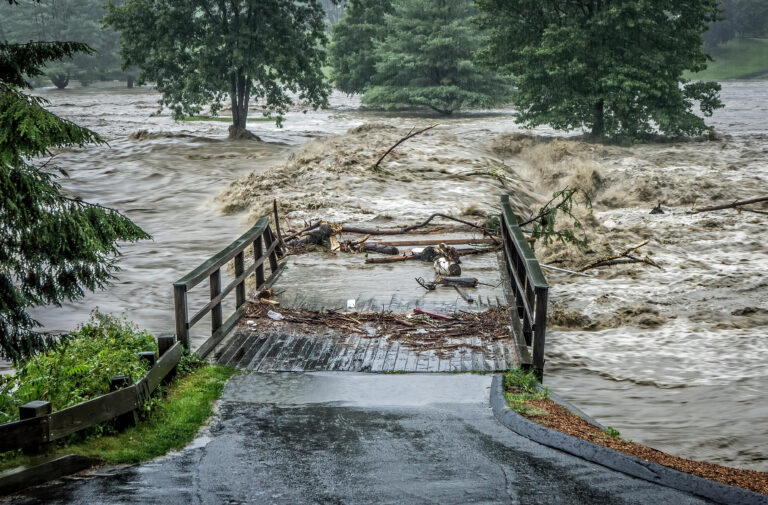
Spring severe weather isn’t only about thunderstorm anxiety — it’s also about genuine physical danger from tornadoes, damaging winds, and flooding. Your household severe weather plan needs to account for your pets explicitly, because the most dangerous scenario is a panicked pet loose in a house when a tornado warning is issued.
Know where your pets are before severe weather arrives. A dog that is outside or a cat that has hidden in an inaccessible space when a tornado warning sounds can’t be retrieved safely under time pressure. When severe weather is forecast, bring outdoor pets inside early and know where your indoor pets are.
Your shelter location — an interior room on the lowest floor, away from windows — should be where you bring pets immediately upon a tornado warning. Practice this during calm conditions so both you and your pets have some familiarity with the routine. A dog that has been brought to the basement or interior bathroom and given treats there will be easier to move quickly than one experiencing the space for the first time during an emergency.
Keep a leash accessible in your shelter location. A frightened dog in a confined space during a tornado may bolt when the door opens after the storm passes. Having a leash immediately available prevents a disoriented animal from running into a post-storm environment of downed power lines, debris, and open roads.
Emergency Preparedness Basics for Pet Owners
Spring’s severe weather season is also a useful prompt to ensure your broader pet emergency preparedness is in order.
Make sure your pet’s ID tags are current and legible. After any major storm or flood event, animal shelters see an influx of lost pets separated from owners during the chaos. A microchip with current contact information in the registry is the most reliable form of identification — check that your registration is up to date and reflects your current address and phone number.
Prepare a pet emergency kit if you don’t have one: a three-to-five day supply of food and water, any medications with dosing instructions, a copy of vaccination records, a recent photograph of you with your pet (useful for proving ownership if separated), and basic first aid supplies. Store it with your household emergency supplies so it’s accessible quickly.
Know your evacuation options in advance. If a major flood or tornado event requires evacuation, not all emergency shelters accept pets. Identify pet-friendly hotels, boarding facilities outside your immediate area, and friends or family who could shelter your animals if needed. Making those calls during an emergency is significantly harder than doing the research now.
The Season’s Most Manageable Challenge
Storm anxiety is genuinely difficult — watching a beloved animal in distress is hard, and the frequency of spring storms means the challenge recurs weekly for months. But it is also one of the most manageable behavioral challenges pets face, because the triggers are predictable and the interventions, when chosen correctly for the individual animal, are effective.
Start with a safe space, stay calm, and talk to your vet before the season peaks if your pet’s anxiety is severe. The storms are coming regardless — the preparation is entirely within your control.