Not Every Pet Is a Dog or a Cat
Most cold-weather pet advice focuses on dogs and cats, but plenty of households share their homes with rabbits, guinea pigs, birds, reptiles, and fish. These animals have very different needs, and some of them are far more sensitive to temperature swings, drafts, and power outages than a typical dog or cat. As the weather turns colder, a quick check of your small or exotic pet’s setup can prevent real trouble.
Rabbits and Guinea Pigs
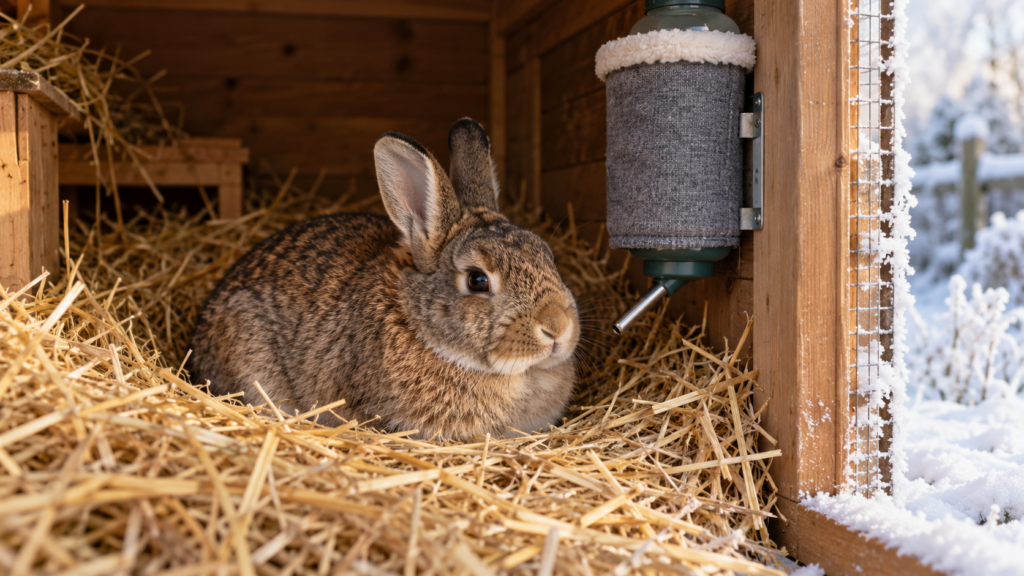
Rabbits are fairly cold-tolerant, but they are susceptible to dampness and drafts, and outdoor hutches need to be well protected from wind, rain, and snow. A dry, insulated shelter with plenty of fresh bedding such as straw lets a rabbit burrow in and keep warm. Water bottles and bowls can freeze quickly, so check them frequently or use an insulated cover. Many owners move rabbits to a sheltered garage or indoor space in the coldest months, though garages should be free of vehicle exhaust and chemicals.
Guinea pigs are less cold-tolerant and generally do best in a stable indoor environment, typically at room temperature. They should be kept away from drafty windows and doors and from sudden temperature changes, and their cages should have plenty of bedding.
Birds
Pet birds are sensitive to drafts and to sudden changes in temperature, so cages should be placed away from exterior doors and drafty windows. At the same time, avoid placing the cage in the kitchen or near any heat source that could cause overheating.
One important hazard to know about is the fumes released by certain nonstick coatings. When polytetrafluoroethylene, commonly known by the brand name Teflon, is overheated, it can give off fumes that are toxic to birds, sometimes fatally, even at levels that don’t affect people. During heating season, this can include some space heaters, heat lamps, and cookware. Check product labels, and keep birds well away from the kitchen when cooking with nonstick pans.
Reptiles and Amphibians
Reptiles can’t regulate their own body temperature, so they depend entirely on their enclosure for warmth, and they require a temperature gradient with both a warm basking area and a cooler zone. A cold room can make it harder for heating equipment to keep up, so check the enclosure’s temperature with a reliable thermometer, not just by guessing. Heat lamps, ceramic heaters, and heating pads should be used according to the manufacturer’s instructions, with thermostats to prevent overheating, and kept clear of anything flammable.
Fish and Aquariums
Fish tanks rely on heaters in cold weather to maintain stable water temperatures, and a failed heater or a power outage can quickly change conditions. Place the tank away from exterior walls, windows, and drafts, and consider a backup plan for outages, such as wrapping the tank in blankets to hold in heat. Avoid sudden changes, since fish are stressed by rapid temperature shifts.
Prepare for Power Outages
Winter storms can knock out power for hours or days, and small and exotic pets are often more vulnerable than dogs and cats. Think through a plan in advance. For reptiles, an insulated box with warm, wrapped heat packs, never in direct contact with the animal, can help hold heat for a limited time. Battery-powered or hand-warmer options for emergencies can help in short outages, but any improvised heat source needs careful monitoring for safety.
Use Heat Sources Safely
Space heaters, heat lamps, and heating pads can cause burns and fires if they are misused. Keep them away from bedding and curtains, use models with automatic shut-off features, and never leave them unattended around small animals that might chew cords or knock equipment over.
Know the Warning Signs
Signs that a small or exotic pet may be too cold include lethargy, hiding more than usual, loss of appetite, shivering or huddling, and unusual postures. If your pet seems unwell, contact a veterinarian who is experienced with exotic and small animals, since these species have specialized needs and care.
A Little Attention Goes a Long Way
Small and exotic pets rely on their owners to create the right environment, and cold weather makes that job more demanding. With a few adjustments to placement, heating, and emergency planning, they can stay comfortable through the winter.