Summer Is Coming. Get the Facts Right Before It Arrives.
As temperatures climb through late April and into May, the familiar heat-season advice starts circulating again — some of it accurate, some of it wrong, and some of it wrong in ways that can cause real harm. Heat is the deadliest weather hazard in the United States, killing more people annually than tornadoes, hurricanes, and floods combined. A significant portion of those deaths happen because people underestimate heat’s danger or trust myths about how to manage it.
Getting the facts right before the first heat wave of the year — rather than during it — is the kind of preparation that actually matters.
Myth: If You’re Not Thirsty, You’re Hydrated
Thirst is a lagging indicator of hydration status, not a real-time measurement. By the time your brain registers thirst and signals it consciously, you may already be one to two percent dehydrated — a level that measurably impairs cognitive function, athletic performance, and thermoregulation. In the elderly, the thirst response becomes even less reliable, which is a major reason older adults are disproportionately vulnerable to heat illness: they may be significantly dehydrated before they feel any urge to drink.
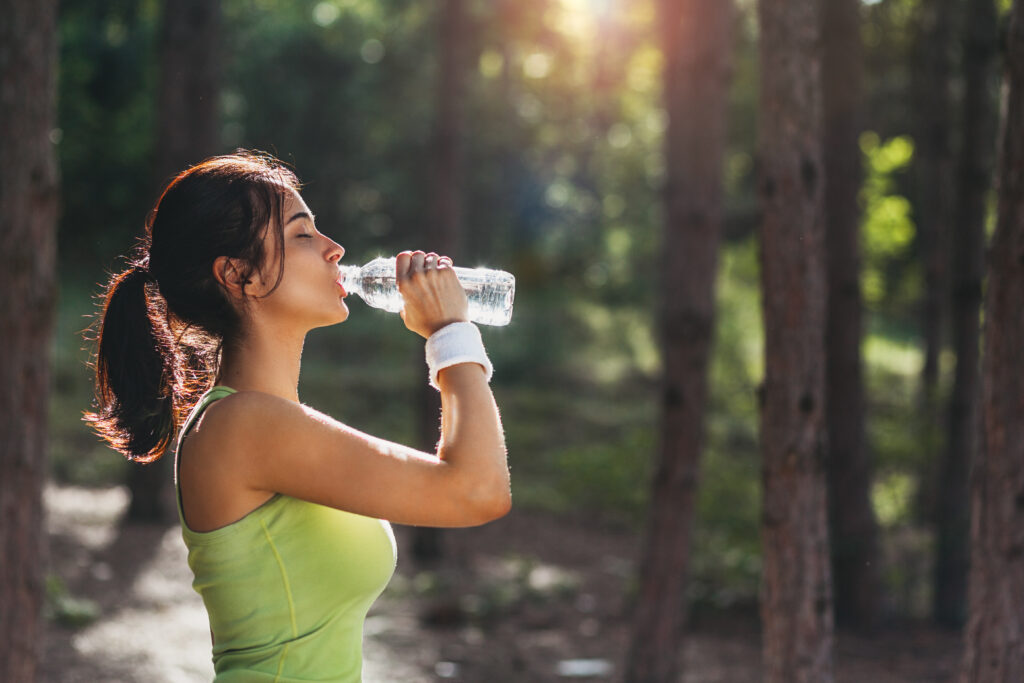
In hot weather or during physical activity, the standard guidance is to drink before you feel thirsty — on a schedule rather than in response to sensation. For most adults in hot conditions, that means roughly 16 to 24 ounces of water per hour of outdoor activity, adjusted for body size, exertion level, and humidity. Checking urine color is a more reliable hydration indicator than thirst: pale yellow indicates adequate hydration, dark yellow or amber indicates dehydration.
Myth: You Sweat More in Humid Weather, So You Need More Water
The relationship between humidity and sweating is counterintuitive. In dry air, sweat evaporates quickly and efficiently — you may not even notice how much you’re sweating because the moisture disappears from your skin almost immediately. In humid air, sweat evaporates poorly and beads on the skin, making you feel soaked. But the actual sweat rate may be comparable or even higher in dry conditions, where the efficient cooling keeps the body from overheating and the sweating drive remains active.
The practical implication is that people in dry, hot climates can be significantly dehydrated without feeling as wet and uncomfortable as they would in humid conditions — and may therefore underestimate their fluid loss. High humidity is miserable and increases heat stress, but don’t assume that feeling dry means you’re sweating less and need less water.
Myth: Heat Exhaustion Is Just Being Overly Hot — It’ll Pass If You Rest
Heat exhaustion is a medical condition, not simply a state of being overheated. It occurs when the body’s cooling mechanisms — primarily sweating and increased blood flow to the skin — are overwhelmed by heat load and the body’s core temperature begins rising. Symptoms include heavy sweating, cool pale skin, rapid weak pulse, nausea, dizziness, and headache.
Heat exhaustion requires active intervention, not just rest in the shade. The person should be moved to a cool environment, have wet cloths applied to the skin, and drink cool fluids if conscious and able to swallow. Left unaddressed — or addressed only with rest outdoors in the heat — heat exhaustion can progress to heat stroke.
Heat stroke is the life-threatening escalation: core body temperature above 104°F, with hot and either dry or sweaty skin, confusion, slurred speech, and possible loss of consciousness. Heat stroke is a medical emergency requiring immediate cooling and 911. The distinction between heat exhaustion and heat stroke is the mental status change — confusion, agitation, or unconsciousness indicates the brain is being affected by heat and the situation has become critical.
Myth: Fans Keep You Cool in Any Temperature
Electric fans are effective cooling tools — up to a point. They work by accelerating the evaporation of sweat from the skin, which removes heat from the body. When outdoor temperatures are below body temperature (roughly 95°F to 98°F), moving air feels cooling because it enhances evaporative heat loss.
When air temperature exceeds body temperature — as it does during extreme heat waves — fans can actually make things worse. Hot air moving across skin transfers heat to the body rather than removing it, increasing heat load. At these temperatures, the only effective cooling from a fan requires sweating, and if ambient humidity is high enough to prevent sweat evaporation, the fan provides no cooling benefit at all and may accelerate dehydration by increasing moisture loss without the compensating cooling effect.
The National Weather Service and CDC have both updated their guidance on fans during extreme heat to reflect this: during heat advisories or heat warnings, fans are useful but air conditioning or cooling centers are the recommended intervention for vulnerable people. A fan in a 105°F room with high humidity is not a safe substitute for air conditioning for elderly, ill, or very young individuals.
Myth: Children and Healthy Adults Don’t Need to Worry About Heat
Heat illness does not selectively target only the elderly and sick. Children are physiologically more vulnerable than adults because they produce more heat relative to body surface area, have less efficient sweating, and depend entirely on adults to recognize their distress and respond appropriately. Infants and toddlers cannot communicate that they are overheating and cannot move themselves to a cooler environment.
Healthy adults — including athletes and outdoor workers — are at significant risk during heat waves if they’re not acclimatized to the heat. Acclimatization, the physiological adaptation to exercising in heat, takes 10 to 14 days of gradual exposure to develop. A healthy, fit person who has spent the winter largely indoors and attempts a long run or outdoor labor on the first 95°F day of the year has essentially no heat acclimatization and is at real risk of heat illness despite their general fitness.
The deaths that occur during heat waves are not limited to the frail elderly. They include young athletes, construction workers, and others who underestimated heat’s danger or overestimated their own tolerance.
Myth: Eating Ice Cream and Cold Drinks Cools You Down
Cold food and drinks lower body temperature briefly and locally as they’re consumed, and they certainly feel cooling. But the body regulates core temperature within a narrow range, and a cold drink’s thermal effect is small relative to the body’s overall heat load on a hot day.
More significantly, sugary foods — including ice cream and many cold beverages — can actually increase metabolic heat production and promote fluid loss through osmotic effects. Very cold drinks consumed rapidly during vigorous exercise can also cause stomach cramps and nausea that impair performance and potentially delay recognition of heat stress symptoms.
The most effective beverages for cooling and hydration in heat are cool (not ice cold) water and electrolyte solutions that replace the sodium and other minerals lost in sweat. Alcohol and caffeine promote dehydration and impair the body’s thermoregulatory response — both are particularly risky in hot weather. Sports drinks are appropriate for extended vigorous activity in heat but are unnecessary and high in sugar for casual outdoor activity.
Myth: You’ll Acclimate to Heat Within a Day or Two
Heat acclimatization is a real physiological process — the body adapts to heat stress through increased plasma volume, more efficient sweating, earlier onset of sweating at lower core temperatures, and reduced cardiovascular strain during heat exposure. These changes are substantial and meaningful. A person who is fully acclimatized to exercising in heat can tolerate conditions that would cause heat illness in an unacclimatized person of equivalent fitness.
But acclimatization takes 10 to 14 days of daily heat exposure to develop fully, not one or two days. Partial acclimatization occurs within the first week, but the complete physiological adaptation requires nearly two weeks of consistent daily exposure. Going from a temperature-controlled office environment to outdoor labor on the first hot weekend of the year and assuming you’ll “get used to it” quickly is a dangerous miscalculation.
The practical implication for late spring: gradually increase heat exposure and outdoor activity duration over the first two weeks of consistently warm weather rather than jumping into full summer activity levels immediately. This is the same principle that governs the gradual return to outdoor exercise covered in the spring overexertion piece earlier in this series — applied now to the specific challenge of heat rather than UV exposure and fitness level.
What Actually Works
The evidence-based interventions for heat safety are unsexy but consistent: stay hydrated before you feel thirsty, seek air conditioning during extreme heat, recognize the symptoms of heat illness in yourself and others and respond actively rather than waiting to see if they pass, acclimatize gradually to outdoor heat exposure, and never leave children or pets in parked cars in warm weather regardless of how mild the outside temperature seems.
Heat’s danger is that it arrives gradually, feels manageable until it isn’t, and impairs the judgment needed to recognize when you’ve crossed a dangerous threshold. The myths above persist because they feel logical and because many people have violated them without immediate consequence — until the day conditions are severe enough that the margin disappears.
Late April is the right time to get this right, before the first heat wave makes it urgent.