A Different Kind of Outage Than Summer
Power outages happen in every season, but a winter outage poses its own challenges. When ice storms, heavy snow, or high winds bring down power lines, the loss of electricity means more than inconvenience. Without heat, a house can cool quickly, and the combination of cold, darkness, and impassable roads can turn a few hours into a serious situation. A little preparation now, before the first big storm, makes an outage far more manageable.
Build a Simple Outage Kit
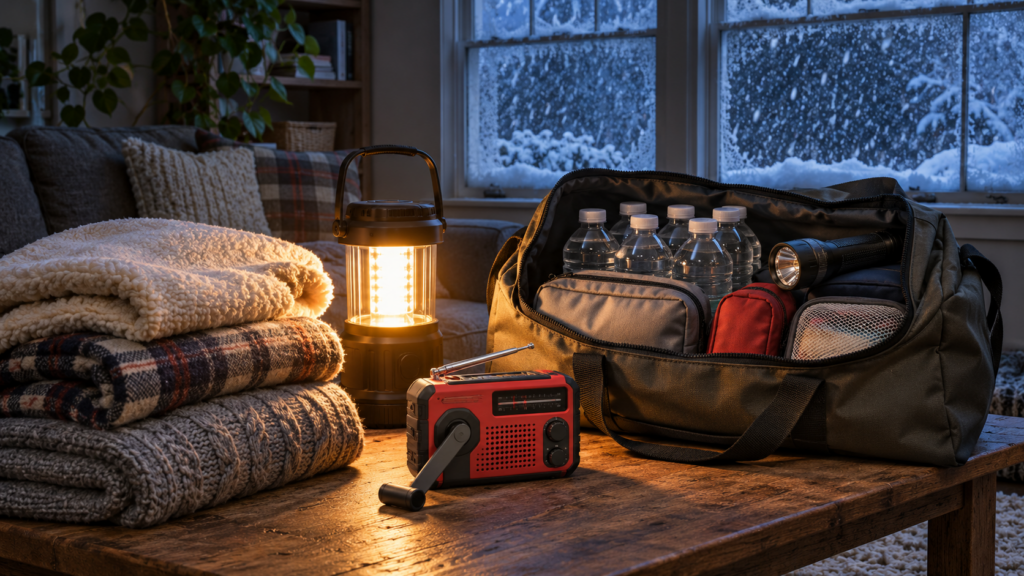
Gather the basics in one easily accessible place. Flashlights or headlamps with extra batteries are safer than candles, which are a fire hazard, and battery-powered lanterns provide good room lighting. Keep a battery-powered or hand-crank radio to receive weather updates and emergency information, and make sure you have fully charged power banks for phones, which can serve as a lifeline for information and calling for help.
Stock extra blankets, warm clothing, hats, and gloves, and consider sleeping bags rated for cold temperatures. Include a first aid kit, any needed medications, and basic supplies for infants, older adults, and pets.
Plan for Food and Water
A refrigerator will keep food cold for about four hours if the doors stay closed, and a full freezer holds its temperature for roughly 48 hours, or about 24 hours if it is half full. Avoid opening doors more than necessary, and use a thermometer to check temperatures. Perishable food that has been above 40 degrees Fahrenheit for more than two hours should be discarded.
Keep a supply of nonperishable food that doesn’t require cooking, along with a manual can opener. Store water too: a common recommendation is at least a gallon per person per day for several days. If you rely on a well with an electric pump, water may stop flowing, so a stored supply is especially valuable.
Staying Warm Safely
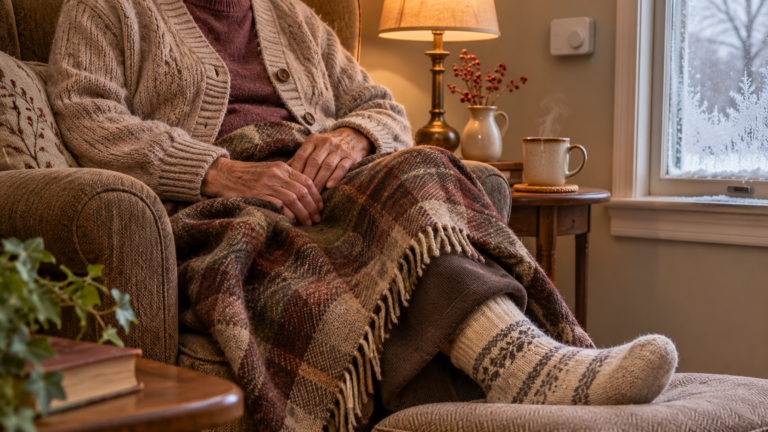
Your plan for heat matters most. If you have a fireplace or a wood stove, make sure it has been inspected and that you have a supply of dry firewood. Close off rooms you don’t need, hang blankets over windows and doors to reduce drafts, and gather everyone in one room to share warmth. Wear layers and use blankets.
Be extremely careful with alternative heat sources. Never use a gas oven, charcoal grill, camp stove, or portable generator indoors or in an attached garage, since they produce carbon monoxide, an odorless and deadly gas. Generators must be run outdoors, well away from windows, doors, and vents. Make sure carbon monoxide detectors have fresh batteries, and keep a battery-powered one if possible. Keep space heaters that are approved for use away from anything flammable and don’t leave them unattended.
Protect Your Pipes
If the heat is out for an extended period, pipes can freeze. Let faucets drip slowly to keep water moving, open cabinet doors under sinks to let warmer air circulate around the pipes, and know where your main water shutoff is located. If you leave your home during a long outage, shutting off and draining the water system may be a good idea. This is one more reason to have insulated exposed pipes ahead of time.
Know How to Open Your Garage Door Manually
Many electric garage door openers won’t work without power. Learn how to use the manual release so you can get your car out, and make sure you know how to do it safely, since the door can be heavy and the springs are under tension.
Prepare Your Phone and Communication Plan
Charge devices in advance when a storm is forecast, put your phone in low-power mode, and keep a list of important numbers on paper, including the utility company’s outage line. Report outages to your utility and check for updates. Let family or neighbors know your plans, and check on those who may need help.
Consider a Backup Power Option
If outages are common in your area or someone in your household depends on electrical medical equipment, a generator, a battery backup system, or a portable power station may be worth considering. Follow all manufacturer instructions, have a qualified electrician handle any connections to your home’s wiring, and test the equipment before you need it.
Know When to Leave
If the home becomes dangerously cold, or if someone is showing signs of cold-related illness, consider going to a warming center, a shelter, or the home of a friend or relative. Local governments often open warming centers during severe cold, and details are usually available through local emergency management or by calling 211. Travel only when roads are safe.
A Plan Makes the Difference
A winter outage is easier to handle when you have a plan and the supplies to carry it out. An hour of preparation now, putting together the kit, checking the equipment, and thinking through how you’d stay warm, can mean the difference between a stressful night and a safe, if chilly, one.