A Holiday Dream With a Lot of Folklore
As soon as Thanksgiving ends, talk turns to Christmas and, in many places, to the question of whether it will snow. The idea of a white Christmas is one of the most powerful weather images of the season, but it comes wrapped in several misconceptions, from what the term actually means to how likely it is in different parts of the country.
Myth: A White Christmas Means Snow Is Falling on Christmas Day
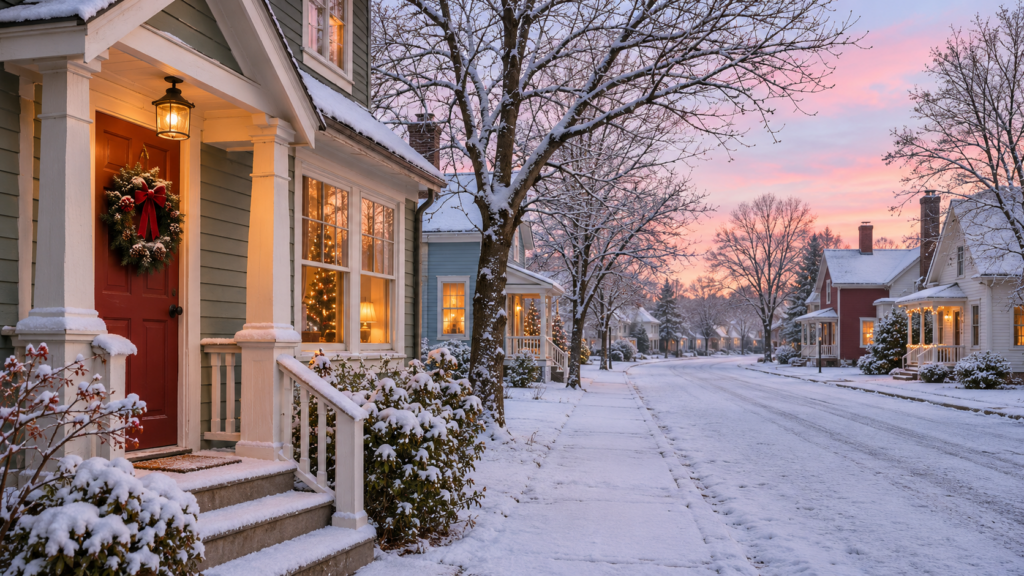
When meteorologists talk about a white Christmas, they’re usually not talking about snowfall at all. The common definition used by the National Weather Service is at least one inch of snow on the ground on the morning of December 25. That snow could have fallen days or weeks earlier. A day with flurries but no accumulation doesn’t count, while a sunny Christmas with a snowpack left from an earlier storm does.
This distinction matters because it separates two different questions: whether it will snow on the day, and whether there will be snow on the ground. The second is far more common in places with reliable winter cold.
Myth: Most of the Country Has a Good Chance of a White Christmas
The popular image of a snowy Christmas is far more common in the movies than on the map. Climatological maps of white Christmas probability show a strong north-south divide. The best chances are in the northern Rockies, the higher mountains of the West, the Upper Midwest, and northern New England, where snow cover by late December is the norm.
Across much of the South, the Gulf Coast, and the lower elevations of the West Coast, a white Christmas is rare, and in places like Florida and southern Texas it essentially never happens. Even in the Midwest and Northeast, the probability can be much lower than people expect, and varies from year to year. Because it depends on both the amount of recent snow and recent temperatures, even places with a strong history of snow can have snowless Christmases.
Myth: Christmases Used to Be Reliably Snowy
Many people remember snowy holidays of the past and assume that the weather has changed completely. Memory plays a role, since vivid snowy Christmases stand out and bare ones fade. Another influence is cultural: the classic imagery of a snow-covered Christmas was shaped partly by nineteenth-century Britain, when a run of cold winters coincided with the childhood years of writers such as Charles Dickens, whose stories helped cement the image in popular imagination.
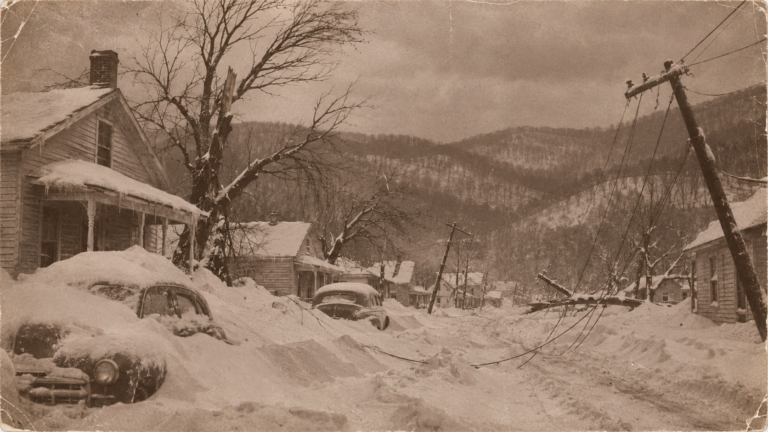
The records show a more complicated picture. White Christmases have always varied widely from year to year, and a snowy one in one decade doesn’t guarantee another. In many places, long-term trends do show less snow cover on average as winters warm, but the year-to-year swings are large enough that a snowy Christmas still happens in places where it’s become less common.
Myth: The Forecast Weeks Ahead Can Tell You
It’s tempting to look at an extended forecast a couple of weeks before Christmas and plan around the snow it shows. But forecasts become much less reliable the further ahead they extend, and a specific prediction of snow on a given day more than about a week out should be treated as a possibility rather than a promise. Seasonal outlooks can say whether a winter is likely to be warmer or colder than normal, but they can’t tell you what will happen on December 25.
The most reliable information about a white Christmas arrives within a few days of the date, when forecasters can see the details of an approaching system and the state of the snow already on the ground.
Myth: A Warm Spell Always Ruins a White Christmas
A mild stretch doesn’t automatically erase snow cover. If there’s a deep snowpack and the weather is only a bit above freezing for a short time, much of it can remain. A rainstorm followed by a quick return to cold can also leave a layer of snow and ice. What matters is how deep the snow was to begin with and how long and warm the thaw lasts.
Myth: It Has to Be Cold to Snow, So Warmer Winters Mean No Snow
Snow needs temperatures near or below freezing in the atmosphere, but it doesn’t require extreme cold, and a warmer climate doesn’t remove snow entirely. Warmer air can hold more moisture, which can, in some conditions, lead to heavy snowfall events when temperatures are cold enough. The overall trend is toward less snow cover in many places, but it’s not a simple rule that every snowstorm disappears.
Planning Around the Possibility
If a white Christmas matters to you, the most useful step is to check the climatology for your area, and then keep an eye on the forecast as the holiday approaches. If you’re traveling, building in flexibility is wise whether you’re hoping for snow or hoping to avoid it, since the weather doesn’t follow holiday schedules.
A Dream That’s Real, but Regional
A white Christmas is a real and beautiful possibility, but it’s more regional, more variable, and more specific in its definition than the popular image suggests. Knowing the myths and the facts makes it easier to enjoy the snow when it arrives, and to take a bare lawn in stride when it doesn’t.