A Calendar Date That Gets Treated Like a Switch
The Atlantic hurricane season officially ends on November 30, and in the weeks before that date, many people start to relax. The danger feels like it’s winding down, and for the most part it is. But the way the end of the season is often described leads to a few persistent misunderstandings about what the dates actually mean and how much risk remains in the final weeks.
Myth: Storms Can’t Form After November 30
The official hurricane season dates, June 1 through November 30, are based on historical statistics, not on a physical barrier. They capture the period when the vast majority of Atlantic tropical storms and hurricanes occur, roughly 97 percent or more of activity. But tropical cyclones are driven by ocean temperatures and atmospheric conditions, not the calendar, and storms have formed outside the official season.
Tropical storms have developed in December, and a rare hurricane, Alex, formed in January 2016. These events are unusual, but they show that the season dates describe a pattern, not a rule. Forecasters at the National Hurricane Center keep watching for development year-round.
Myth: Late-Season Storms Are Always Weak
It’s natural to assume that storms forming after the peak of the season must be feeble, since the weather is cooling and the peak has passed. But the Atlantic Ocean, particularly the Caribbean and the Gulf of Mexico, can remain warm well into November, and if conditions such as low wind shear line up, strong storms can still develop.
The 2020 season offers a striking example. Hurricane Iota struck Central America in mid-November as a powerful Category 4 hurricane, among the strongest storms ever recorded in the Atlantic that late in the year, and it hit an area already devastated by another November hurricane, Eta, only days earlier. Late-season storms may be less common, but they are not automatically less dangerous.
Myth: If October Was Quiet, the Season Is Basically Over
Atlantic hurricane activity peaks around the second week of September, and then declines gradually through October and November, but the decline isn’t a cliff. Some active seasons have featured significant storms well after what many people consider the heart of the season, and a quiet October doesn’t guarantee a quiet November. Seasonal activity can come in bursts, with long lulls interrupted by sudden development when conditions become favorable.
Myth: Once a Storm Passes, the Danger Is Over
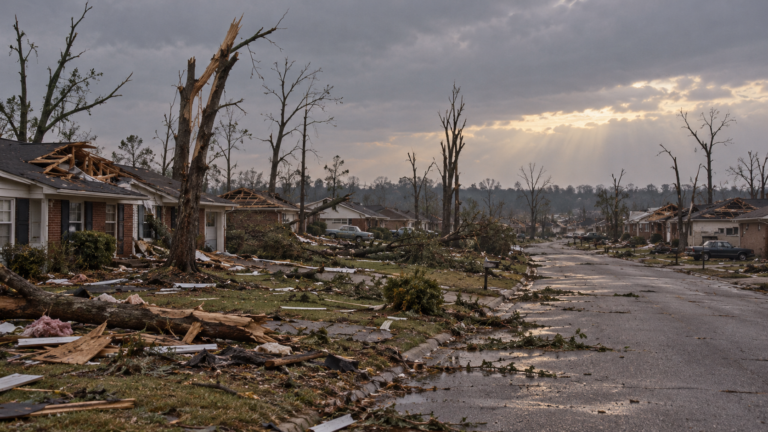
This misconception applies to every season, not just the last weeks. The hazards from a tropical system, particularly flooding, can continue well after the winds die down. Rivers can crest days after heavy rain has ended, and flash flooding can occur far from the coast, sometimes hundreds of miles inland. Downed power lines, damaged structures, contaminated water, and carbon monoxide poisoning from generators used improperly are also significant risks in the aftermath.
Myth: The Season Dates Are the Same for Every Ocean Basin
The June 1 to November 30 dates apply to the Atlantic basin, which includes the Caribbean Sea and the Gulf of Mexico. Other regions have different seasons. The eastern Pacific season, which affects Mexico and sometimes the American Southwest, begins on May 15 and also ends on November 30, while other basins around the world follow their own calendars. So the end of the Atlantic season doesn’t mean the end of tropical activity everywhere.
What the End of the Season Really Means
The end of November marks the point at which activity in the Atlantic usually drops off sharply as ocean temperatures cool and wind shear increases. For residents of hurricane-prone areas, it’s a reasonable time to ease out of high alert, but it’s also a good moment to keep an eye on the forecast, restock supplies used during the season, and review what worked and what didn’t.
A Sensible Way to Think About It
The hurricane season dates are a useful guide to when storms are most likely, not a guarantee of when they can’t happen. Treating the end of the season as a strong signal that risk has diminished, rather than as a signal that it has vanished, is a balanced way to look at the calendar and a good reminder to stay informed until the weather truly turns for winter.