A Narrow Window Between Summer Sun and Fall Moisture
Your home’s exterior has spent months absorbing intense summer sun, and early September offers a practical window to address any resulting damage before fall’s increased rain and humidity arrive. Paint and siding serve as your home’s primary defense against moisture intrusion, and cracks or gaps that seem minor now can become genuine problems once autumn’s wetter weather sets in.
Why Summer Sun Damages Exterior Paint Specifically
UV radiation breaks down the binders and pigments in exterior paint over time, a process that shows up as fading, chalking (a powdery residue that rubs off when you touch the surface), and eventually cracking or peeling as the paint film loses flexibility and its ability to expand and contract with temperature changes. This degradation happens gradually across multiple summers, but a particularly hot, sun-intense summer can accelerate the process meaningfully compared to a milder season.
South- and west-facing walls, which receive the most direct and intense sun exposure throughout the day, typically show this wear more prominently than north-facing walls, which is why a careful inspection often reveals noticeably different paint conditions on different sides of the same house.
What to Look For During an Exterior Walk-Around
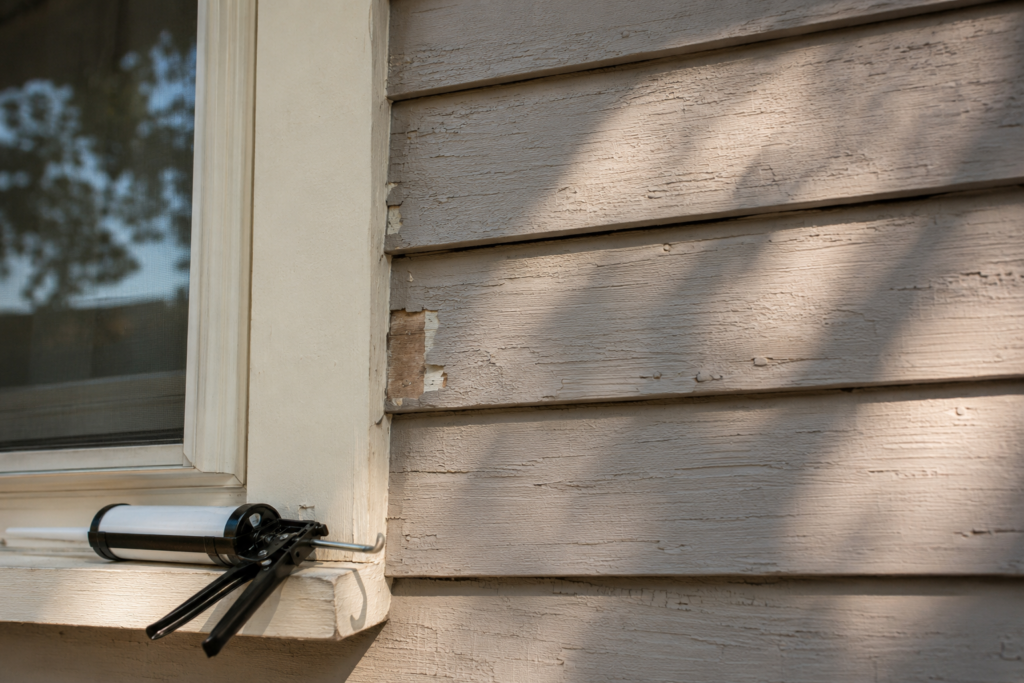
A deliberate walk around your home’s perimeter, looking closely rather than just glancing, can reveal several specific signs of summer-accumulated damage. Look for paint that has visibly faded to a significantly different shade than when it was applied, chalking residue on your hand after touching painted siding, and any areas where paint has begun cracking, blistering, or peeling away from the surface beneath. Pay particular attention to trim, corners, and areas around windows and doors, where paint failure often begins before it becomes visible on larger, flatter wall sections.
For siding materials beyond painted wood—vinyl, fiber cement, or engineered wood products—check for warping, cracking, or gaps that may have developed as materials expanded and contracted through a summer of heat cycling, since these gaps represent direct pathways for moisture intrusion once fall rain becomes more frequent.
Caulking and Sealant Deserve Close Attention
The caulking around windows, doors, and other siding penetrations is often the first line of defense against water intrusion, and it’s also one of the more vulnerable components to summer heat and UV degradation. Check for caulking that has become brittle, cracked, or has visibly separated from either surface it was meant to seal. Even small gaps in caulking can allow meaningful water intrusion once persistent fall rain begins, potentially leading to hidden moisture damage inside wall cavities that isn’t visible until it’s caused significant deterioration.
Recaulking problem areas now, while temperatures are still warm enough for sealants to cure properly, addresses this vulnerability before it becomes a source of active water intrusion during the wetter months ahead.
Why Addressing Small Issues Now Matters
A small crack or gap in paint or siding that goes unaddressed doesn’t stay small once regular rain exposure begins. Water finds its way into even minor openings, and once moisture gets behind siding or beneath paint, it can lead to wood rot, mold growth, or more extensive paint failure that requires considerably more expensive remediation than the simple touch-up or recaulking that would have addressed the same issue in its early stage.
This is particularly relevant for wood siding and trim, where trapped moisture behind a compromised paint layer can lead to rot that’s invisible from the outside until the damage has become structurally significant.
Prioritizing What You Find
Not every issue identified during an inspection requires immediate professional attention. Minor caulking gaps and small areas of paint touch-up are reasonable DIY projects for most homeowners, provided the work is done properly, while extensive peeling across large wall sections, signs of underlying wood rot, or damage that suggests a more significant moisture intrusion problem already in progress generally warrant a professional assessment before proceeding with any cosmetic fixes that might mask a more serious underlying issue.
A Practical Investment Before the Season Turns
Taking the time now for a careful exterior inspection, addressing caulking gaps and minor paint issues while conditions still allow for proper repair work, is a meaningfully cheaper and less disruptive approach than discovering water damage after weeks of fall rain have already found their way through a vulnerability that was visible, if unaddressed, back in early September.