The Holiday Arrived With Some Unwelcome Weather
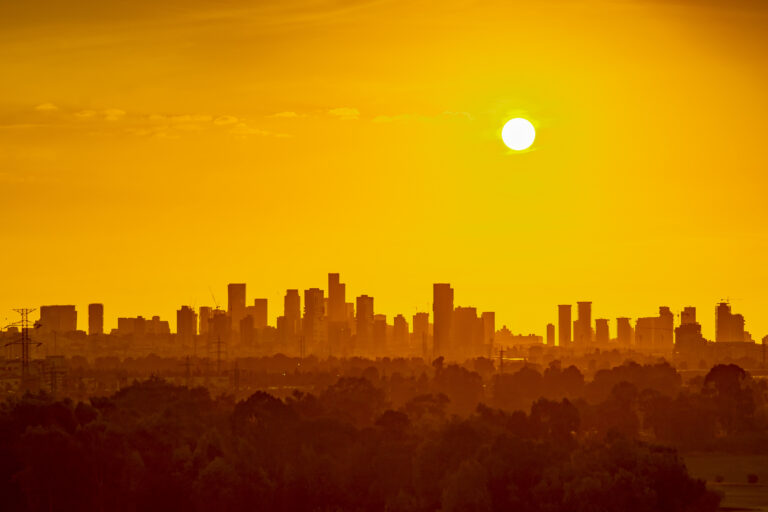
The Fourth of July weekend is here, and so is a significant heat wave across the East Coast. The combination of a major American holiday — with its cookouts, parades, outdoor gatherings, and late-evening fireworks — and heat index values reaching 105°F to 115°F in parts of the region creates a specific set of challenges that require some adjustment to the usual holiday playbook. None of this means staying inside and watching fireworks on television. It means being smart about the timing, the food, the drinks, and the specific heat wave conditions that make this Fourth different from most.
Rethinking the Cookout Timeline
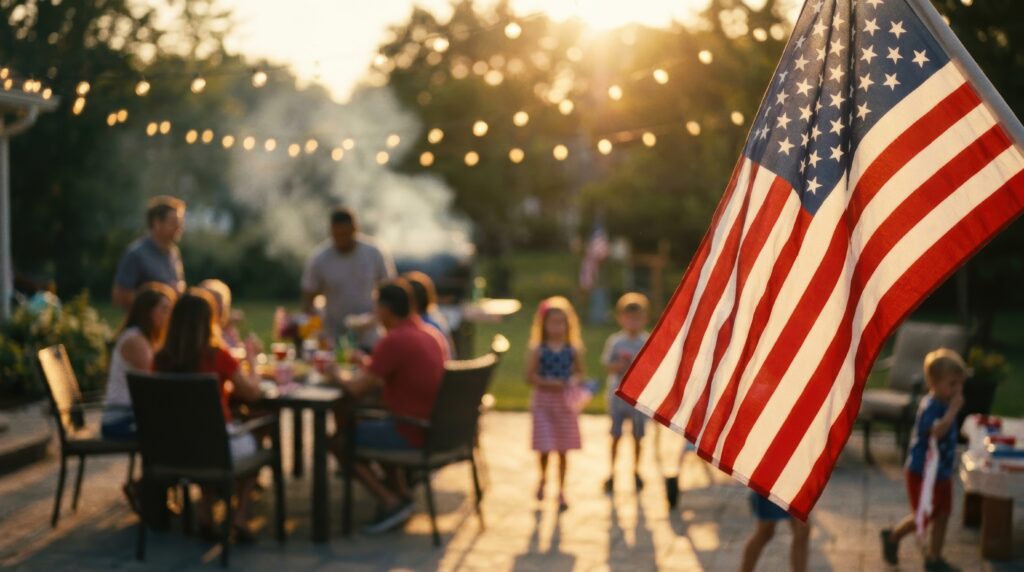
The standard Fourth of July cookout — guests arriving at noon, grill going by 2 p.m., eating by 3 p.m., lingering through the afternoon — is a fine plan in normal July weather and a genuinely bad plan in a heat wave with a 110°F heat index at 3 p.m.
The heat-adapted version moves the timeline. Consider a morning cookout — guests arriving at 9 or 10 a.m., food ready by 11, eating before the heat index peaks, and everyone dispersing or moving indoors before the worst of the afternoon. The morning hours on July 4th are significantly cooler than the afternoon, and a morning cookout in 85°F weather is categorically different from one in 110°F heat index conditions.
If an afternoon gathering is unavoidable, move it as late as possible — 5 p.m. or later, when temperatures have begun to drop from their peak, and structure it so that the outdoor time is brief and the interior air-conditioned time is generous. The fireworks that happen after dark provide a natural outdoor anchor; the hours before them don’t need to be spent outside.
The Food: Built for Heat
A heat wave Fourth calls for the cold cooking approach covered in the 7/10 Weather Daily piece — food that is prepared ahead, served cold or at room temperature, and doesn’t require hovering over a hot grill in 100°F heat index conditions. Several dishes are particularly well-suited.
Cold shrimp and crab. A large platter of cold boiled shrimp and crab claws, served with cocktail sauce and lemon, is the most elegant low-effort heat wave spread available. Boil in the morning when it’s cooler, chill thoroughly, and serve directly from the refrigerator. Zero outdoor cooking required during the hot hours.
Watermelon and cucumber salad. The watermelon-feta-mint combination from the 5/25 Memorial Day piece is perfect for a heat wave Fourth — cold, hydrating, sweet, and salty in exactly the proportion that hot weather demands. Make it that morning and keep it cold until serving.
Gazpacho. From the 7/10 no-cook piece — cold tomato soup that improves after hours in the refrigerator. Made the night before, it is the single most thermally appropriate food available for a 110°F heat index afternoon and takes zero outdoor cooking to serve.
Make-ahead pasta or grain salads. Dressed with vinaigrette rather than mayonnaise, these hold safely at room temperature for the two-hour food safety window, improve as they sit, and don’t require any attention after initial preparation.
If you do grill, use the beer can chicken or spice-rubbed thigh approach from the 6/26 Fourth of July cookout piece — proteins that go on the grill and require no hovering, so the cook isn’t standing over flames during peak heat.
Drinks: The Hydration Priority
A heat wave Fourth requires rethinking the drink setup beyond the usual cooler of beer and soda. With heat index values in the danger range, every guest needs to be drinking water — not as a replacement for other beverages, but as a constant companion to them.
Set up a dedicated water station that is as prominent and accessible as the cooler: a large dispenser or multiple pitchers of cold water, ideally with cucumber slices, lemon, or mint to make it more appealing, positioned where guests will see and reach it automatically. The cucumber-mint lemonade from the 6/20 solstice evening piece is exactly right for this — refreshing, celebratory, and primarily water.
If alcohol is part of the celebration, the heat wave context makes pairing each drink with water more than a polite suggestion — it’s a genuine health consideration. Alcohol promotes dehydration and impairs the thermoregulatory response in ways that are specifically dangerous in heat wave conditions, as covered in the 6/28 outdoor event heat safety piece.
Electrolyte drinks — sports drinks, coconut water, or electrolyte tablets added to water — are appropriate for anyone who has been sweating significantly, replacing the sodium that sweat depletes.
The Shade Imperative
Wherever your gathering happens, shade is not optional during a heat wave Fourth. Direct sun on a 95°F day with 70 percent humidity adds radiant heat load equivalent to 15 to 20°F above the air temperature, as the outdoor heat science piece detailed. The same gathering in full shade feels dramatically different — and is physiologically safer — than one in direct sun.
Set up umbrellas, shade canopies, or move furniture under trees before guests arrive. If your outdoor space has no shade, a portable canopy tent is worth renting or borrowing for this weekend. Plan the seating arrangement around the shade rather than the view.
The Fireworks: Go Late, Stay Brief, Know the Signs
The fireworks displays that define the Fourth happen after dark — typically 9 to 9:30 p.m. on the East Coast — which is the best possible timing during a heat wave, when temperatures have dropped from their afternoon peak and the evening is more tolerable.
The heat wave-specific concern for fireworks is the waiting: as the outdoor event heat safety piece covered, the hours of outdoor waiting before a fireworks display are often the highest-risk heat period, occurring during the late afternoon peak. During a heat wave, this waiting period is genuinely dangerous for vulnerable members of the group.
Practical adjustments: arrive closer to display time rather than hours early, bring water and shade for the wait, position yourselves near the periphery where there is more air movement and less crowd density, and have a plan for immediately getting vulnerable family members — children, elderly relatives, anyone with a cardiovascular condition — into air conditioning after the display rather than lingering outdoors.
Know the signs of heat exhaustion and heat stroke covered in the 6/2 and 7/2 pieces. The festive context of a holiday celebration does not change the physiology of heat stress — confusion and disorientation at a fireworks display warrant the same response as anywhere else.
Have a Good Fourth
None of the above prevents a genuinely good Fourth of July. The holiday is about the people, the food, and the spectacle — none of which requires standing in 110°F heat index conditions at 2 p.m. The adjustments that a heat wave demands are mostly timing adjustments: earlier in the day, later in the evening, with shade and water in between.
The heat will break by the weekend. Until it does, celebrate wisely.