An Empty House Is a Vulnerable House
Summer vacation season is underway, and millions of households will leave their homes unoccupied for days or weeks between now and Labor Day. An empty house faces summer weather without anyone inside to notice a roof leak developing after a storm, respond to a sump pump failure during a heavy rain, or discover that the AC has stopped working and the interior temperature has climbed to 110°F.
Most vacation home damage is not caused by dramatic events — not by the tornado that levels everything or the flood that sweeps through the neighborhood. It is caused by the small failures that a present, attentive homeowner would catch and address within hours but that an absent one discovers as a much larger problem two weeks later: the slow drip from a damaged roof that becomes a mold problem, the refrigerator water line that develops a leak and saturates the floor, the AC that trips a circuit breaker and allows humidity to build until condensation forms on every surface.
The preparation below addresses the specific weather-related risks that summer absence creates. Most of it takes an hour or two the day before departure and prevents the kind of vacation-ending phone call that nobody wants to receive.
Storm Preparation: What to Do Before You Leave
Summer severe weather — the thunderstorms, hail events, and occasional tornadoes covered extensively in this series — doesn’t pause because you’re on vacation. A home left without preparation for a summer storm is more vulnerable than one whose owners are present.
Secure or store outdoor items. Every piece of unsecured outdoor furniture, every potted plant, every decorative item left outside becomes a potential projectile in severe thunderstorm winds. Before leaving for any absence of more than a day or two, bring patio furniture indoors or into the garage, store lightweight items, and secure anything that can’t be brought in. The storm that passes through on your third day away doesn’t care that you meant to deal with the deck chairs when you got back.
Check your roof and gutters before leaving. A pre-existing vulnerable area on the roof — a lifted shingle, a gap in flashing — that would be a minor repair if caught early can become a significant interior water damage problem over a week of summer storms. A quick visual inspection from the ground before departure, combined with clearing any debris from gutters that could cause overflow during heavy rain, reduces this risk meaningfully.
Know your storm risk and leave a plan. If you live in a tornado or severe weather-prone area, leave emergency contact information with a neighbor, know whether your home has a monitored alarm system that will alert you to events like broken windows, and consider a smart home camera or sensor system that allows remote monitoring during storms.
Water and Flood Risk: The Most Common Vacation Damage
Water damage from internal sources — plumbing failures, appliance leaks, sump pump failures — is the most common cause of significant home damage during extended absences, and summer creates specific elevated risk for several of these.
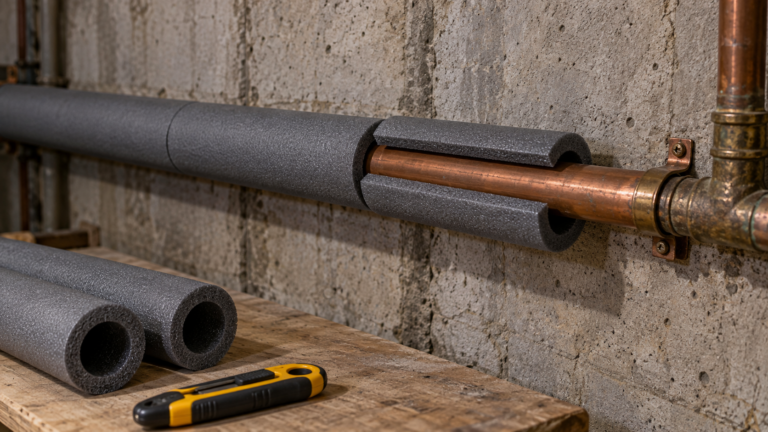
Turn off the main water supply before leaving if you’ll be away for more than a week. This single action eliminates the risk from every internal plumbing failure mode: the toilet fill valve that sticks open, the washing machine supply hose that develops a pinhole leak, the refrigerator water line connection that lets go. Water flowing undetected from any of these sources for a week produces damage that can cost tens of thousands of dollars to remediate. Turning off the main supply — a single valve, typically in the basement or utility room near where the water line enters the house — costs nothing and prevents all of it.
If turning off the main water is impractical (some homes have irrigation systems or other systems that require water supply), consider individual shutoffs at the washing machine and under the refrigerator at minimum, and add a smart water leak detector near high-risk appliances that can alert you via phone if moisture is detected.
Test your sump pump before leaving. Summer is peak sump pump demand season — the heavy rain events that arrive regularly between June and September can fill a sump pit rapidly. A sump pump that fails during a heavy rain event with no one home to notice or respond can produce basement flooding that causes significant structural and content damage. Pour a bucket of water into the sump pit and confirm the pump activates and drains properly before departure. If the pump is more than seven to ten years old or has shown any signs of reduced performance, replace it before leaving for extended absence.
Check that downspouts direct water away from the foundation. A clogged or disconnected downspout that allows water to pool against the foundation during heavy rain is a low-level risk when you’re home — you notice and fix it. During an extended absence, repeated heavy rain events directed against the foundation can produce basement seepage or, in worst cases, foundation water intrusion that isn’t discovered until your return.
Heat and HVAC: Managing an Empty House in Summer
A home without occupants doesn’t need to be cooled to 72°F. But it also shouldn’t be left to reach 110°F interior temperatures for weeks at a time — extreme heat accelerates the aging of electronics, can damage musical instruments and wooden furniture, and creates conditions that promote mold growth if any moisture is present.
Set the thermostat to a vacation temperature, not off. A vacation setpoint of 82°F to 85°F is a reasonable balance: cool enough to prevent heat damage to sensitive items and inhibit mold, but not cooling the house to comfortable occupied temperatures when no one is there to benefit. Most programmable and smart thermostats have a vacation mode that maintains a minimum temperature — use it.
Check your AC before leaving. An air conditioner that fails while you’re on vacation will allow interior temperatures to climb significantly in summer heat. The home weatherproofing piece (6/10) covered the importance of AC maintenance for efficiency — the same maintenance prevents mid-summer failure. Confirm the system is running correctly before departure, check the filter, and ensure the outdoor unit is clear of debris.
Monitor remotely if possible. A smart thermostat that sends alerts if the interior temperature exceeds a set threshold, or a basic temperature sensor with remote monitoring capability, can catch an AC failure before the interior has been at 105°F for a week. Smart home devices have become inexpensive enough that remote temperature monitoring is accessible to most homeowners and provides significant peace of mind during summer absences.
Refrigerator and Food Safety
The refrigerator presents two separate vacation risks: food that spoils during your absence and the appliance itself.
Clear out perishables before leaving. Any food that will spoil during your absence should be consumed, given away, or discarded before departure. A refrigerator full of rotting food discovered two weeks after departure is an unpleasant homecoming and can require thorough cleaning to eliminate odors that have permeated the appliance interior.
Check the refrigerator water and ice line connections. Refrigerator water line failures — typically at the connection behind the appliance — are among the most common causes of significant kitchen water damage. Pull the refrigerator away from the wall before leaving and inspect the water line connection for any drips or signs of moisture. Tighten any loose connections and consider shutting off the water supply to the refrigerator specifically if you’re concerned about this risk.
Consider the power outage scenario. Summer storms can produce multi-day power outages, as the 2012 derecho piece published today describes. A refrigerator that loses power for 36 to 48 hours and then regains it while you’re away will have allowed all its contents to spoil and then potentially re-cooled the spoiled food in a way that isn’t obvious on return. Having a neighbor with a key who can check on the house after significant storms and discard obviously compromised refrigerator contents — and knowing what your homeowner’s insurance covers for food spoilage from power outages — is worth arranging before leaving.
Establishing a Neighbor Contact
All of the above preparations are more effective when combined with a trusted neighbor or nearby contact who has a key, knows you’re away, and can check on the house after significant weather events.
This contact doesn’t need to make daily visits — weekly checks during an extended absence are usually sufficient. What they do need to know: how long you’ll be away, how to reach you, where the main water shutoff is, where the circuit breaker panel is, and what a normal vs. concerning situation looks like for your specific home. A neighbor who knows you’re away for two weeks and checks in after a severe thunderstorm provides a layer of protection that no sensor or alarm system fully replaces.
Reciprocating this arrangement — being the contact for a neighbor’s absence when they’re away — builds the kind of community infrastructure that makes summer travel lower-stress for everyone.
Come Home to a House That’s Waiting for You
The goal of all of this preparation is simple: leaving for vacation without the background anxiety of wondering what’s happening at home, and returning to find the house in the same condition it was when you left. Most vacation home damage is preventable. Most prevention requires nothing more than an hour of attention before departure and the few minutes it takes to arrange a neighbor contact.
The summer is short and vacation is valuable. The preparation that protects your home while you’re enjoying it is worth doing well before you lock the door.