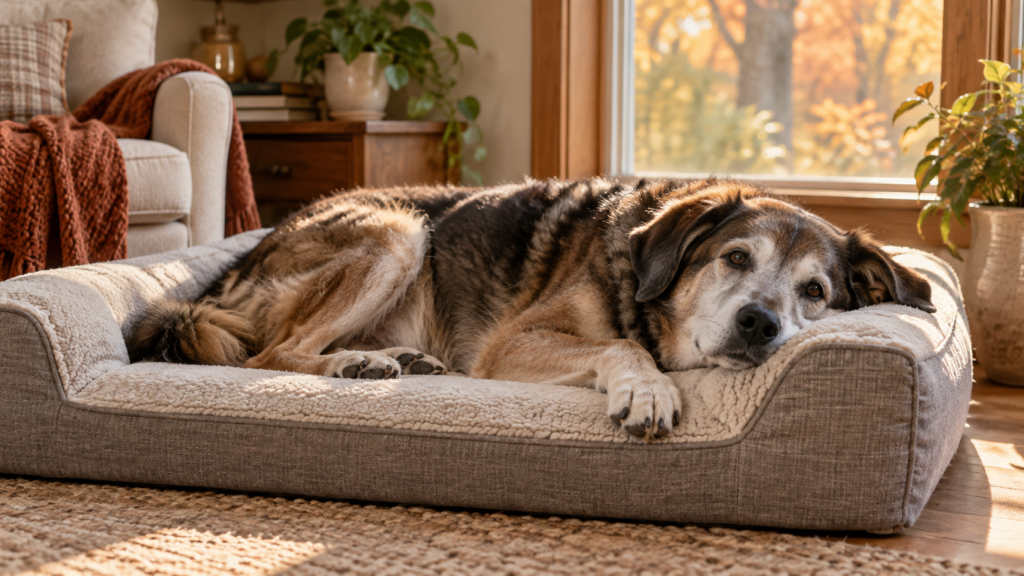
A Seasonal Pattern Many Owners Notice
As temperatures drop through fall, many owners of senior dogs and cats notice their pets moving a bit more stiffly, hesitating before jumping onto furniture they used to access easily, or seeming generally less enthusiastic about activity than they were during the warmer months. This pattern is genuinely common, and while the exact mechanism connecting cooler weather to increased joint discomfort in pets with arthritis isn’t completely settled in veterinary research, the association itself is well documented and worth understanding as the season shifts.
What’s Likely Happening Physiologically
Arthritis, a common condition in senior pets involving the breakdown of protective cartilage within joints, produces inflammation and discomfort that many owners and veterinarians alike observe worsening during colder weather. Several explanations have been proposed for this connection. Dropping barometric pressure, often associated with approaching weather changes, may affect pressure within joint capsules in ways that increase discomfort for animals with compromised joint tissue, similar to the connection researchers have investigated in humans with arthritis.
Cold temperatures themselves may also directly affect joint tissue and surrounding muscles, potentially increasing stiffness through reduced blood flow to peripheral joints as the body prioritizes maintaining core temperature during colder conditions—a physiological response that, while adaptive for temperature regulation, may leave arthritic joints somewhat more prone to stiffness and discomfort.
Recognizing the Signs in Your Pet
Because pets can’t directly communicate discomfort, recognizing behavioral changes becomes the primary way owners identify worsening joint pain. Signs to watch for include increased hesitation or difficulty with stairs, hesitation before jumping onto furniture or into vehicles that previously wasn’t an issue, a noticeably slower or stiffer gait, particularly after rest periods, reduced enthusiasm for walks or play, and increased time spent resting compared to previous activity levels.
Some pets also show more subtle signs like increased irritability when touched in certain areas, excessive licking at specific joints, or a reluctance to be picked up or handled in ways that were previously unremarkable—these behavioral shifts, particularly when they develop or worsen specifically as weather cools, are worth taking seriously as potential indicators of increased joint discomfort.
Practical Adjustments That Can Help
Providing orthopedic bedding designed specifically to reduce pressure on joints can meaningfully improve comfort for a senior pet spending more time resting during cooler weather. Keeping a consistent, moderate indoor temperature, rather than allowing significant cold exposure, particularly for pets who spend any meaningful time in unheated spaces like garages or enclosed porches, helps avoid the additional joint stress that prolonged cold exposure may contribute to.
Ramps or steps to help pets access furniture, vehicles, or beds without needing to jump can reduce the joint strain associated with these movements, and maintaining a healthy weight remains one of the most impactful factors in managing joint stress, since excess weight directly increases the load placed on already compromised joints regardless of outdoor temperature.
Exercise Still Matters, With Some Adjustment
It’s a common instinct to significantly reduce activity for a pet showing joint discomfort, but complete inactivity often worsens the underlying stiffness rather than helping it, since joints and surrounding muscles benefit from consistent, moderate movement. Shorter, more frequent walks rather than one long outing, and lower-impact activities like swimming for dogs who enjoy and have access to it, can maintain beneficial movement and muscle strength without the joint strain that more intense or prolonged activity might produce.
When Veterinary Support Becomes Important
If you’re noticing a significant seasonal worsening in your pet’s mobility or apparent comfort, a veterinary evaluation can help determine whether additional intervention beyond home management is warranted. Veterinarians have access to a range of treatment options for pet arthritis, including joint supplements, prescription anti-inflammatory medications formulated specifically for pets, and in some cases, physical therapy or other more specialized interventions, none of which should be pursued using human medications without direct veterinary guidance given the significant differences in how various medications affect animals compared to humans.
A Pattern Worth Anticipating Each Year
For pets with an established history of arthritis or joint sensitivity, anticipating this seasonal pattern—rather than waiting for noticeable discomfort to develop each fall—allows for proactive adjustments to bedding, exercise routine, and potentially medication or supplement dosing in consultation with a veterinarian. Recognizing that this seasonal shift genuinely affects many senior pets, and responding to it with consistent, thoughtful adjustments, can meaningfully improve comfort through the colder months ahead.