A Shift That’s Already Underway
As summer’s humidity gradually gives way to the drier air characteristic of fall, many people notice their skin starting to feel tighter, rougher, and more prone to itching than it did just weeks earlier. This isn’t purely coincidental timing—it’s a direct physiological response to a genuine environmental shift, and understanding the mechanism explains why this particular seasonal transition affects skin so consistently every year.
Skin Relies on Ambient Humidity More Than People Realize
The outermost layer of skin, called the stratum corneum, functions as a barrier that both protects the body and retains moisture within deeper skin layers. This barrier works in dynamic equilibrium with the surrounding air—when ambient humidity is high, as it typically is through summer, skin loses less moisture to the surrounding environment, since there’s a smaller moisture gradient pulling water out of the skin and into the drier air.
As outdoor humidity drops through fall, and indoor heating systems begin running more regularly, further reducing indoor air moisture, this gradient shifts significantly. Skin now loses moisture to the surrounding air at a meaningfully faster rate than it did during summer’s more humid conditions, and if that moisture loss outpaces the skin’s ability to replenish itself, the visible result is the dryness, flaking, and increased itchiness many people notice as a reliable seasonal pattern.
Indoor Heating Compounds the Outdoor Humidity Drop
Beyond the general drop in outdoor humidity that accompanies cooler fall weather, indoor heating systems, once they begin running regularly, actively reduce indoor humidity even further. Forced-air heating systems in particular tend to produce notably dry indoor air, since heating air raises its temperature without adding moisture, and warmer air can hold more water vapor before reaching saturation—meaning the same absolute amount of moisture in the air represents a lower relative humidity once that air has been heated.
This compounding effect—outdoor humidity already declining, combined with indoor heating further reducing indoor humidity—is part of why skin dryness often becomes more pronounced as fall progresses into the weeks when heating systems see regular use, beyond what the outdoor humidity drop alone would produce.
Why Some People Notice This More Than Others
Not everyone experiences the same degree of seasonal skin dryness, and this variation relates partly to differences in the skin barrier’s natural composition and function. People with naturally drier skin, certain skin conditions like eczema or psoriasis, and older adults—whose skin tends to produce less natural oil and has a somewhat less effective barrier function than younger skin—often experience more pronounced seasonal dryness than people with naturally oilier or more resilient skin types.
Existing skin conditions in particular often flare more noticeably during this seasonal transition, since a skin barrier that’s already somewhat compromised has even less capacity to withstand the increased moisture loss that comes with declining ambient humidity.
Adjusting Skincare for the Seasonal Shift
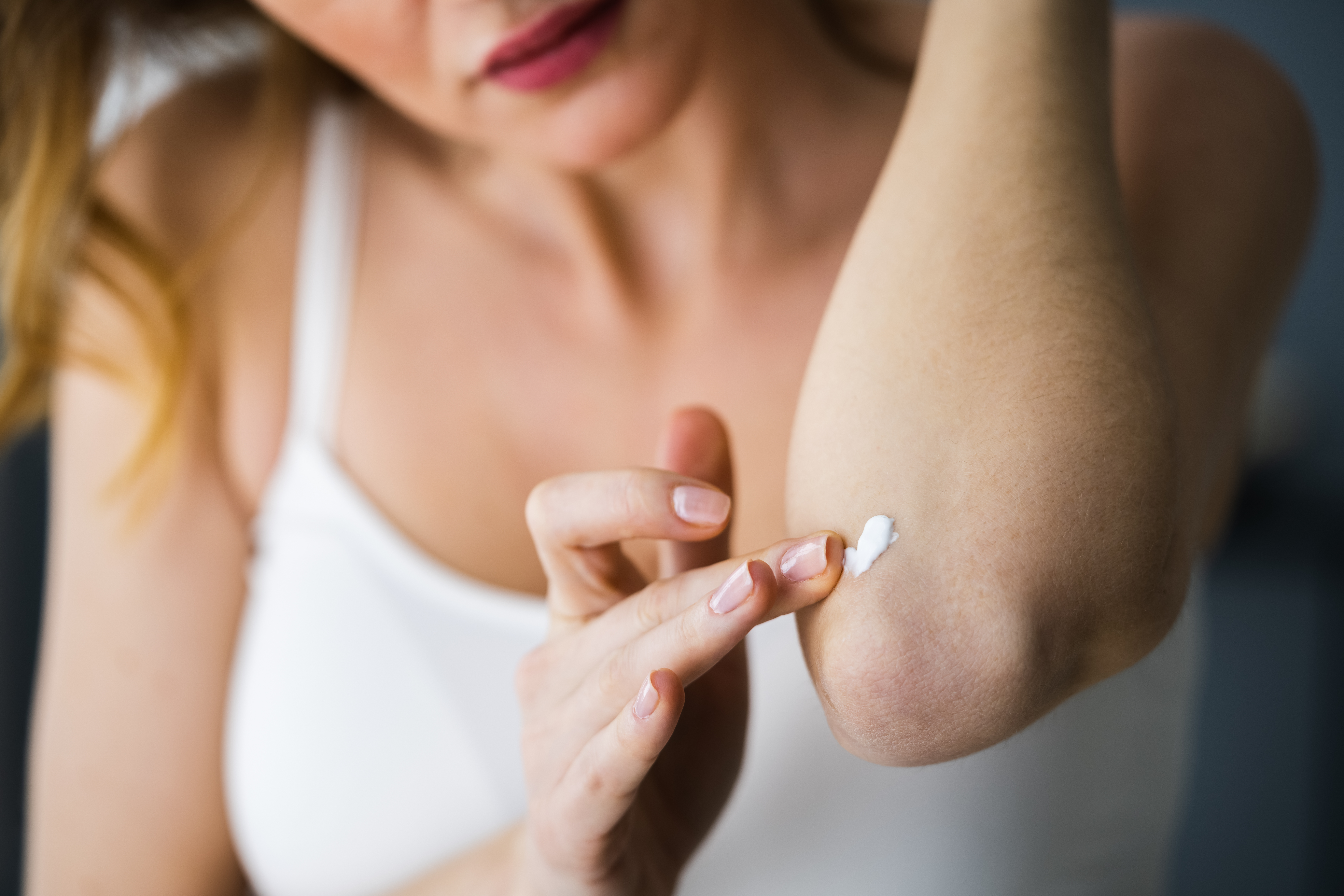
A heavier, more occlusive moisturizer—one that includes ingredients like ceramides, glycerin, or hyaluronic acid, which help the skin both retain and attract moisture—often becomes more necessary during this transition than the lighter formulations that felt sufficient during summer’s higher humidity. Applying moisturizer immediately after showering or bathing, while skin is still slightly damp, helps trap that surface moisture more effectively than applying it to fully dry skin.
Reducing shower and bath water temperature slightly, since very hot water can strip natural oils from skin more aggressively than warm water, and limiting shower duration during this transition, can also meaningfully reduce the cumulative moisture loss contributing to seasonal dryness.
Running a Humidifier Addresses the Root Cause Directly
Since the underlying issue is fundamentally about ambient humidity, running a humidifier—particularly in bedrooms during the hours spent sleeping—directly addresses the environmental factor driving increased skin moisture loss, rather than simply treating the resulting dryness after the fact. Maintaining indoor humidity in the 30 to 50 percent range is generally considered supportive of healthy skin without creating the excess moisture that can contribute to other problems like mold growth.
When Dryness Signals Something Beyond a Normal Seasonal Shift
While mild seasonal dryness is extremely common and generally manageable with adjusted skincare habits, skin that becomes significantly cracked, painful, or shows signs of infection—increased redness, warmth, or discharge—warrants attention beyond typical moisturizing routines. Existing skin conditions that flare significantly during this transition may also benefit from a dermatologist consultation to adjust a treatment plan specifically for the seasonal change, rather than relying solely on general moisturizing approaches.
A Predictable Pattern Worth Getting Ahead Of
The connection between declining humidity and skin dryness follows a consistent, predictable pattern each fall, which makes it a genuinely preventable discomfort rather than something to simply endure once symptoms appear. Adjusting skincare habits and indoor humidity now, as the seasonal shift is actively underway, tends to produce noticeably better results than waiting until skin is already significantly dry and irritated before responding.