A Seasonal Hazard Hiding in Plain Sight
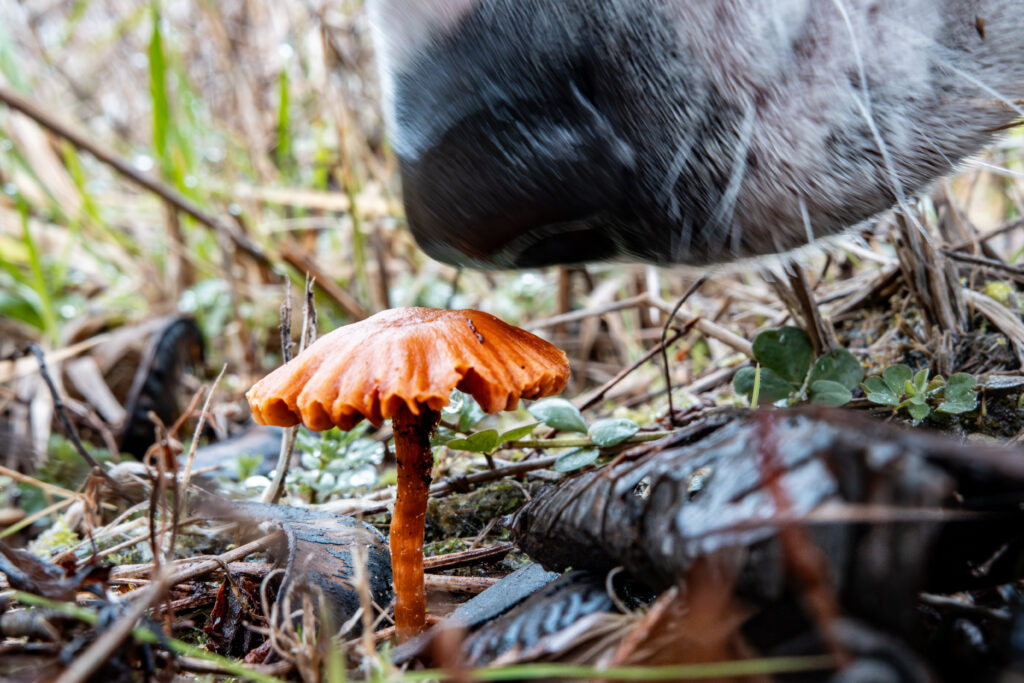
As temperatures cool and rainfall patterns shift heading into fall, many yards experience a noticeable uptick in mushroom growth, often appearing seemingly overnight after a rain event. While most wild mushrooms are harmless, a subset are genuinely toxic, and dogs in particular have a well-documented tendency to sniff out and eat mushrooms during routine yard time or walks—making this an underappreciated seasonal pet safety concern that becomes more relevant right as the weather starts favoring mushroom growth.
Why Fall Conditions Favor Mushroom Growth
Mushrooms are the visible fruiting bodies of fungal networks that live largely hidden underground or within decaying organic matter throughout the year. These fungi reproduce most actively under a specific combination of moisture and moderate temperature, conditions that late summer and early fall frequently provide as rain events become more regular while soil temperatures remain warm enough to support active fungal growth. This combination is why many yards see a noticeable mushroom bloom during this particular transitional window, considerably more than during the drier stretches of mid-summer or the colder depths of winter.
Why Identification Is Genuinely Difficult
Distinguishing toxic mushroom species from harmless ones based on appearance alone is notoriously unreliable, even for people with some foraging experience, and definitively identifying a specific mushroom typically requires expertise most pet owners simply don’t have. Toxic and non-toxic species can look remarkably similar, vary considerably in appearance based on growth stage, and some of the most dangerous species don’t display any of the commonly assumed warning signs like unusual coloring or a strong odor.
Given this genuine identification difficulty, the safest practical approach for pet owners is treating any mushroom growing in or near an area a pet has access to as a potential hazard, rather than attempting to make a determination about toxicity based on appearance.
What Toxic Mushroom Ingestion Can Cause
The specific symptoms and severity of mushroom toxicity in pets vary considerably depending on the species ingested, since different toxic mushrooms affect the body through entirely different mechanisms. Some cause primarily gastrointestinal symptoms—vomiting, diarrhea, abdominal pain—that, while unpleasant, are generally not life-threatening on their own. Others can cause liver failure, kidney failure, or severe neurological symptoms including seizures, tremors, or profound disorientation, sometimes with a concerning delay between ingestion and the onset of the most severe symptoms, which can complicate treatment if the ingestion itself wasn’t witnessed or reported promptly.
This delayed onset pattern, seen with some of the most dangerous mushroom toxin categories, is part of why any known or suspected mushroom ingestion warrants prompt veterinary contact rather than a wait-and-see approach, even if a pet initially appears unaffected.
Reducing Exposure in Your Own Yard
Regularly checking your yard for mushroom growth, particularly after rain events during this seasonal window, and promptly removing any mushrooms you find—using gloves and disposing of them in a sealed bag rather than composting, since some toxic species remain hazardous even after removal—reduces the most direct source of exposure for pets who have regular yard access. This is a task worth adding to a fall routine specifically during the weeks when mushroom growth tends to be most active, rather than a one-time check.
Supervising pets more closely during yard time following rain, and training a reliable “leave it” or “drop it” command, provides an additional layer of protection for the mushrooms that inevitably get missed during even a diligent yard check, particularly small or well-hidden specimens that can be easy to overlook.
What to Do if Your Pet Eats a Mushroom
If you witness or strongly suspect your pet has eaten a wild mushroom, contact your veterinarian or a pet poison control hotline immediately, even if your pet seems completely fine in the moment. If possible, take a photo of the mushroom (without handling it more than necessary) before it’s removed, since this can help a veterinary professional or poison control specialist assess potential toxicity more accurately than a verbal description alone would allow. Don’t attempt to induce vomiting or administer any home treatment without direct professional guidance, since inappropriate intervention can sometimes complicate an already time-sensitive situation.
A Seasonal Risk Worth Building Into Your Routine
Wild mushroom toxicity is one of those hazards that’s easy to overlook until a pet has already been directly exposed, but the seasonal pattern is predictable enough to plan around. Adding a quick yard check for mushroom growth to your routine during this particular stretch of fall, when conditions most favor their appearance, is a small habit that directly addresses a genuine, if often underappreciated, seasonal pet safety risk.