Misconceptions That Circulate Every Autumn
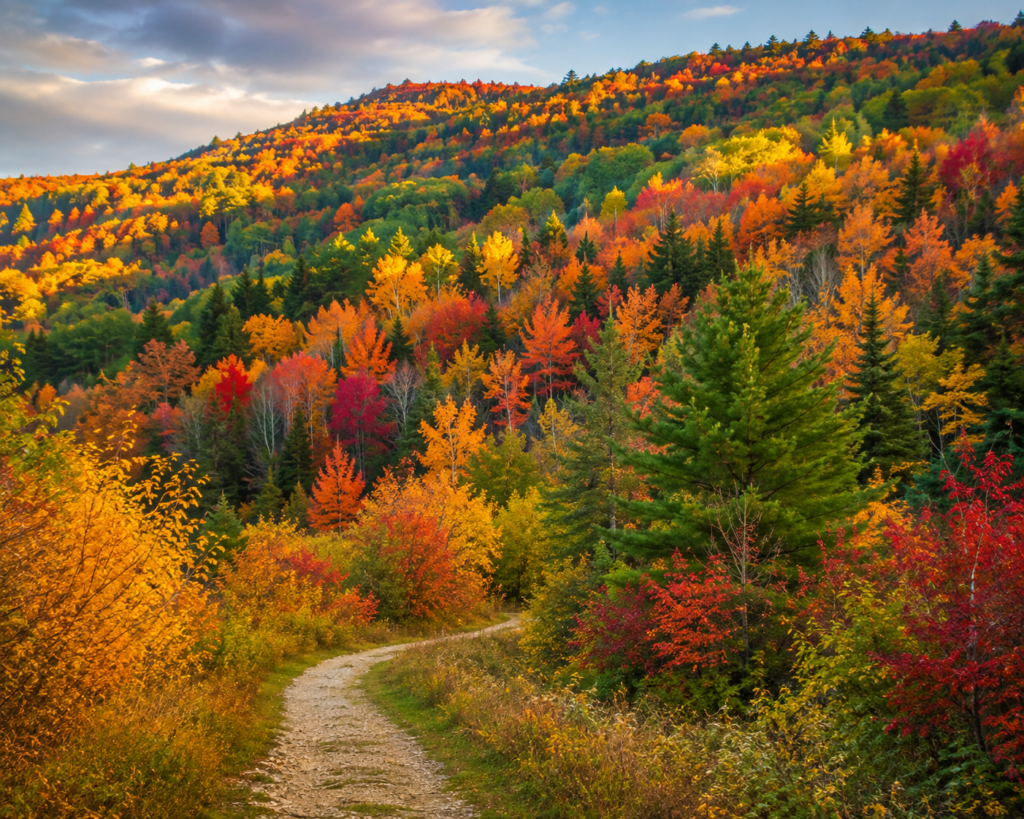
As leaves begin their seasonal transition, a handful of persistent myths about what actually drives fall color tend to resurface every year. Several of these misconceptions get the basic mechanism backward, attributing the color change to the wrong trigger entirely, which can lead to inaccurate expectations about how a given fall season’s colors will turn out.
Myth: Cold Weather Causes Leaves to Change Color
This is probably the most widespread misconception about fall foliage, and it gets the fundamental trigger wrong. Leaves change color primarily in response to shortening daylight hours, not dropping temperature. Trees respond to the changing photoperiod by halting chlorophyll production, which allows other pigments already present in the leaf to become visible as the dominant green fades.
Temperature does play a secondary role in influencing the vividness of certain colors, particularly the red pigments produced through an active synthesis process, but it isn’t the primary trigger initiating the color change process itself. This is why leaves begin changing color on a remarkably consistent calendar schedule each year in a given location, regardless of whether that particular September happens to be warmer or cooler than average.
Myth: Frost Is Necessary for Leaves to Change Color
Following from the temperature myth, many people believe a frost event is required to kick off the color-changing process, sometimes describing a first frost as having “brought out” the fall colors. In reality, the color change process begins well before most regions experience their first frost, driven by the ongoing daylight reduction that starts as early as late August in many areas. A frost can sometimes accelerate the final stages of leaf drop once color change is already well underway, but it isn’t a necessary trigger for the color transition to begin in the first place.
Myth: A Rainy Summer Always Means a Duller Fall
This one contains a partial truth wrapped in an oversimplification. Drought stress during summer can indeed cause some trees to drop leaves early or produce less vivid color, since stressed trees sometimes shed leaves before the full color development process completes. However, a rainy summer doesn’t automatically guarantee vivid fall color either—the conditions that produce the most vivid displays specifically involve the weather during the color-change period itself in early-to-mid fall, particularly a combination of sunny days and cool nights, rather than the total rainfall accumulated during the preceding summer months.
A summer with adequate but not excessive rainfall, followed by a fall with the right combination of sun and cool nights, tends to produce better color than either an extremely dry or an extremely wet summer, regardless of that summer’s rainfall total in isolation.
Myth: The Reddest Trees Are the Healthiest Trees
This assumption doesn’t hold up under scrutiny. Anthocyanin production, the pigment responsible for red and purple fall coloring, is influenced by a genuinely wide range of factors including species, genetics, and specific environmental conditions during the color-change period—it isn’t a direct or reliable indicator of a tree’s overall health or vigor. Some perfectly healthy trees produce relatively muted yellow or orange coloring their entire lives due to their species’ typical pigment profile, while trees under certain types of mild stress can occasionally produce more vivid red coloring than they would under completely optimal conditions.
Myth: Leaves “Turn” Colors, Rather Than Simply Revealing Them
This is more of a linguistic oversimplification than an outright factual error, but it’s worth clarifying because it shapes a common misunderstanding about the underlying process. For yellow and orange coloring specifically, leaves aren’t actively “turning” a new color through some transformative process—the yellow and orange pigments (carotenoids) were present in the leaf throughout the growing season, simply masked by the much more abundant green chlorophyll. As chlorophyll breaks down, these existing pigments become visible rather than being newly created. Red coloring works differently, since anthocyanins genuinely are produced fresh in autumn—but even this process is more precisely described as new pigment synthesis rather than an existing color “changing” into something else.
Myth: Fall Colors Peak on the Same Calendar Date Every Year
While the overall fall color season follows a fairly predictable calendar window for any given region, the specific peak date varies from year to year based on the particular weather conditions experienced during that season’s color-change period. A year with ideal sunny-day, cool-night conditions might reach peak color slightly earlier and produce a shorter, more vivid display, while a year with more cloud cover or warmer nights might extend the transition period and shift the peak timing somewhat, even though the overall season remains anchored to a similar general window driven by consistent daylight patterns.
Understanding the Real Trigger Changes the Expectations
Recognizing that daylight, not temperature or frost, drives the fundamental timing of fall color change—while weather conditions primarily influence the intensity and vividness of that display—provides a more accurate framework for understanding why fall foliage unfolds the way it does each year, and why some years produce genuinely more spectacular displays than others despite the underlying calendar timing remaining remarkably consistent.