A Different Allergy Season Is Beginning
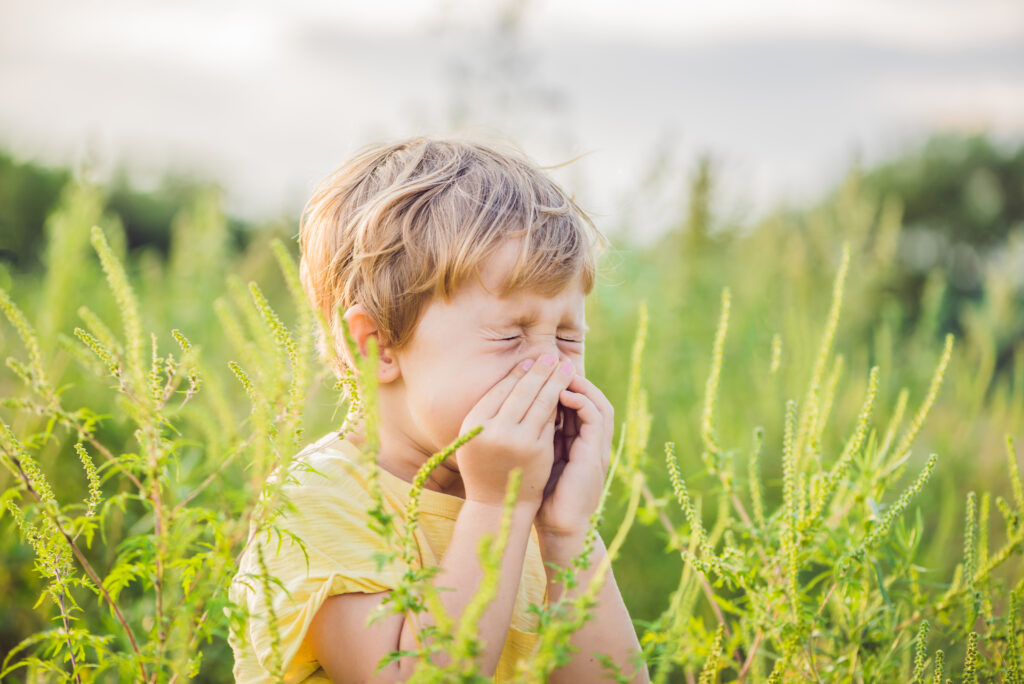
While spring pollen season feels like a distant memory by mid-August, a second major allergy season is just getting underway. Ragweed, the primary driver of late-summer and fall seasonal allergies across most of the country, typically begins releasing pollen in mid-to-late August and continues through the first hard frost of autumn. For the roughly one in four Americans affected by ragweed allergies, this stretch can produce symptoms just as disruptive as anything spring brings—often catching people off guard because they’ve mentally filed allergy season as a spring-only concern.
Why Ragweed Is Such an Effective Allergen
Ragweed produces staggering quantities of pollen relative to most other plants—a single ragweed plant can release roughly a billion pollen grains over the course of a season. That pollen is also extremely lightweight and buoyant, allowing wind to carry it enormous distances; ragweed pollen has been documented traveling hundreds of miles from its source and has even been detected far out over open ocean.
This combination of high production and easy wind dispersal means ragweed allergies aren’t limited to people who live near visible ragweed plants. Even residents of dense urban areas with little obvious vegetation can experience significant ragweed exposure carried in from surrounding rural and suburban areas.
Why the Season Is Starting Earlier and Running Longer
Ragweed pollen release is triggered by day length rather than temperature alone—specifically, the plant responds to shortening daylight hours as summer progresses toward fall. However, temperature and growing-season length still influence the intensity and duration of the season. Long-term monitoring data shows ragweed season extending measurably in many northern regions over the past few decades, with some areas seeing extensions of several weeks compared to readings from the 1990s, largely attributed to warmer autumns delaying the first hard frost that normally ends the season.
This means ragweed season isn’t just starting on roughly the same schedule it always has—in many regions, it’s becoming a longer window of exposure than it used to be, extending well into what used to be considered post-allergy-season fall weather.
Weather Patterns That Make Symptoms Worse
Similar to spring pollen, ragweed pollen concentrations follow predictable daily and weather-driven patterns. Pollen release typically peaks in mid-morning, generally between 10 a.m. and noon, making that window the worst time for outdoor activity for sensitive individuals. Hot, dry, breezy days tend to produce the highest pollen counts, since dry conditions allow pollen to disperse freely and wind carries it over wide areas. Rain provides temporary relief by washing pollen out of the air, but counts typically rebound within a day or two once conditions dry out again.
Thunderstorms deserve particular caution: the wind gusts that precede a storm can stir up and disperse existing pollen just before rain arrives, and there’s some evidence that storms can rupture pollen grains into smaller fragments capable of penetrating deeper into airways, a phenomenon linked to a spike in emergency asthma and allergy symptoms during and immediately after significant storms.
Practical Steps for the Weeks Ahead
Monitoring local pollen forecasts, widely available through weather apps and allergy-tracking websites, allows sensitive individuals to plan outdoor activities around lower-pollen windows—typically early morning before sunrise or in the evening after pollen has settled. Keeping windows closed during peak-pollen hours, showering and changing clothes after extended time outdoors, and running air conditioning with a clean filter rather than relying on open windows for ventilation can all reduce indoor pollen exposure during the height of the season.
For those with more significant symptoms, starting antihistamines or other allergy medications before symptoms become severe—rather than waiting until they’re already struggling—tends to provide better control, since many allergy medications work more effectively as a preventive measure than as a rescue treatment once symptoms have escalated.
A Second Allergy Season Worth Taking Seriously
Ragweed season doesn’t get the same seasonal attention that spring allergies do, but for a substantial share of allergy sufferers, it’s an equally significant several-week stretch of symptoms. Recognizing that it’s beginning now—and that it’s likely to last longer than it used to in many regions—makes it easier to plan ahead rather than being caught off guard by a season that, unlike spring, doesn’t always come with the same cultural reminder that it’s underway.