The Quiet Window Before the Season’s Most Active Weeks
Hurricane season officially runs from June through November, but its activity isn’t spread evenly across those months. Late August through October typically produces the most frequent and most powerful storms, as ocean temperatures reach their annual peak and atmospheric conditions become most favorable for tropical development. Late July sits in a genuine lull—storms are possible, but the season’s real intensity is still weeks away.
That lull is exactly the opportunity homeowners should use. The tasks on this checklist take real time and, in some cases, real money, and they’re far easier to complete calmly in July than in a panic with a storm five days out and hardware store shelves already empty.
Test Your Generator Before You Need It
A generator that hasn’t run since last season is not a reliable generator—it’s an assumption. Fuel degrades over months of storage, batteries lose charge, and small mechanical issues that would be minor inconveniences on a test run become genuine emergencies during an actual outage.
Start yours now: check the oil, replace old fuel with fresh (stabilized) fuel, inspect the battery, and run it under load for at least twenty minutes to confirm it’s actually producing usable power. If you don’t own a generator and outages are a real risk in your area, late July—before the pre-storm rush—is the least stressful time to research and purchase one.
Clear Gutters and Downspouts While the Weather Cooperates
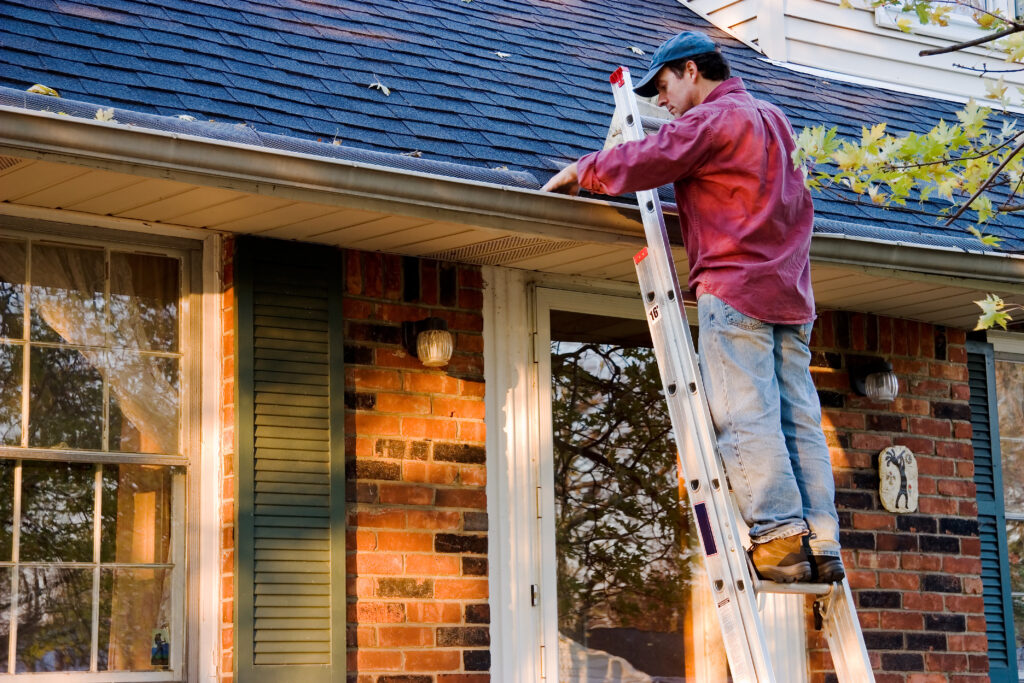
Clogged gutters don’t just cause water damage during ordinary summer rain—they become a serious liability during a tropical storm or hurricane, when several inches of rain can fall in a matter of hours. Water that can’t drain properly backs up under roof shingles and around foundations, turning a manageable storm into a water-intrusion event.
Clear debris now, check that downspouts direct water at least several feet away from your foundation, and look for any sagging or separated gutter sections while you can still address them without urgency.
Assess Trees and Limbs Near Your Home
Wind is the most immediate hazard a hurricane or tropical storm brings to most inland homes, and trees are the most common source of storm damage. Dead branches, limbs overhanging the roof, and trees already leaning from previous storms are all liabilities that a professional arborist can address now, when scheduling is easy and rates aren’t inflated by storm-season demand.
Trees that look healthy from the ground can still have internal rot or root damage invisible without closer inspection—if you have large trees near your house and haven’t had them evaluated in several years, this is a reasonable summer to do it.
Review Your Emergency Supply Kit
Batteries lose charge, medications expire, and stored water can develop an off taste or need replacing over time. Pull out your emergency kit now and check it against a basic list: enough water for at least three days per person, non-perishable food, a battery-powered or hand-crank radio, flashlights and fresh batteries, a first aid kit, and copies of important documents in a waterproof container.
If you have specific needs—infant supplies, pet food, prescription medications—July is the month to actually restock them rather than discovering a gap during an evacuation order.
Check Window and Door Seals, and Know Your Shutter Plan
If you’re in a hurricane-prone region, your plan for protecting windows—whether that’s permanent storm shutters, removable panels, or plywood you’d need to cut and fit—should be settled and tested before a storm is in the forecast, not during the 48 hours beforehand when supplies are gone and installation help is unavailable.
While you’re at it, check the weatherstripping and seals around windows and doors. Gaps that let in ordinary summer humidity will let in wind-driven rain during a real storm, and sealing them now is a small task with an outsized payoff.
Confirm Your Sump Pump Actually Works
If your home has a sump pump, don’t assume it’s ready because it worked last time you checked. Pour a bucket of water into the sump pit to confirm the pump activates, cycles properly, and discharges water away from the foundation. If you rely on this pump during heavy rain, consider a battery backup system—power outages during storms are common, and that’s precisely when a sump pump is doing its most important work.
A Checklist That Pays for Itself in Peace of Mind
None of these tasks are complicated, but together they represent the difference between scrambling under pressure and calmly monitoring a forecast. The season’s most dangerous weeks are still ahead. Late July—quiet, unhurried, and free of the supply shortages and scheduling backlogs that come with an approaching storm—is the ideal time to make sure your home is ready for them.