Your Cravings Are Changing. Your Kitchen Should Too.
Something shifts in the kitchen right around the equinox. The soups and braises that felt perfect in January start to seem like too much—too heavy, too long on the stove. But it’s not quite warm enough yet for cold salads and light summer fare either. Early spring delivers a specific kind of weather: bright, breezy afternoons in the 50s and 60s, then evenings that still drop into the 40s and require a jacket. Your appetite reflects this perfectly—you want something that feels lighter and fresher, but still warm and satisfying.
These recipes are built for exactly that in-between moment. They’re easier and quicker than winter cooking, lean into the first fresh produce of the season, and still deliver enough warmth to make sense when you can see your breath after dinner.
Lemon Herb Roasted Chicken Thighs
This is spring’s answer to the long-braised winter roast. Bone-in, skin-on chicken thighs roast in about 35 to 40 minutes at high heat, coming out crispy-skinned and juicy inside. The brightness comes from lemon—both zest and slices tucked beneath the skin—plus fresh thyme and rosemary, which start appearing in garden stores right about now.
Toss the thighs in olive oil, salt, pepper, minced garlic, and lemon zest. Lay sliced lemon rounds and herb sprigs in the pan, nestle the chicken on top, and roast at 425°F until the skin is deeply golden and the internal temperature reaches 165°F. The pan drippings, brightened by the lemon, make a simple sauce you can spoon right over the top.
Serve alongside roasted asparagus—one of the first spring vegetables to hit markets—tossed in the same pan for the last ten minutes of cooking.
Why it fits: High heat, short time, fresh herbs, and the first of the season’s produce. It feels intentionally spring without pretending winter is fully gone.
Spring Pea and Mint Soup
This soup is made for the week the weather can’t make up its mind. It comes together in under 20 minutes, tastes bright and green and fresh, but serves hot in a bowl—the best of both seasons in one dish.
Sauté a chopped shallot and a clove of garlic in butter until soft. Add four cups of vegetable or chicken broth and bring to a simmer. Add two cups of frozen peas (or fresh if you can find them), a handful of fresh mint leaves, salt, and a squeeze of lemon juice. Simmer for just three to four minutes—you want the peas barely cooked to keep their bright green color. Blend until smooth, taste for seasoning, and finish with a swirl of crème fraîche or sour cream and a few mint leaves on top.
The result is vivid green and tastes exactly like spring smells: fresh, a little sweet, bright with lemon and mint. But it’s still a warm bowl of soup, which still makes sense when the evening temperature drops into the 40s.
Why it fits: Fast, light, and genuinely seasonal. Frozen peas make this a year-round option, but it tastes best in the weeks when you’re craving green again after months of root vegetables.
Pasta Primavera with Whatever’s at the Market
Primavera means spring in Italian, and this dish was designed for exactly the moment we’re in: early-season vegetables, light sauce, warm comfort. The beauty of pasta primavera is flexibility—use whatever looks freshest at the market.
Right now, good choices include asparagus (cut into bite-sized pieces), snap peas, green onions, and cherry tomatoes, which begin to taste like something again in mid-spring. Thin zucchini also works well.
Bring a large pot of salted water to boil and cook your pasta of choice until just al dente. While the pasta cooks, heat olive oil in a wide pan over medium-high heat and sauté the vegetables in stages—heartier ones like asparagus first, tender ones like snap peas and tomatoes near the end. Season with salt, pepper, and red pepper flakes. When the pasta is done, reserve a cup of pasta water before draining. Toss everything together with a generous handful of grated Parmesan, a squeeze of lemon, and enough pasta water to bring it all together into a light, glossy sauce. Finish with fresh basil if you have it.
Why it fits: It’s a warm, satisfying dinner that doesn’t feel like winter cooking at all. The vegetables are the point, not a garnish, which makes it feel seasonal and intentional without requiring the oven or a long simmer.
Honey-Glazed Carrots with Fresh Ginger
Carrots are a late-winter and early-spring staple—they’ve been in storage all winter and are at peak sweetness right now before the new spring crop arrives. This simple side dish transforms them into something special in about 20 minutes and pairs with almost anything.
Peel and cut carrots into thin coins or diagonal slices. Melt butter in a wide skillet over medium heat, add the carrots, and cook for about five minutes, stirring occasionally. Add a tablespoon of honey, a teaspoon of freshly grated ginger, a pinch of salt, and a splash of water. Cover and let steam for another five minutes until the carrots are tender. Remove the lid, raise the heat slightly, and let the liquid reduce into a glossy glaze that coats the carrots. Finish with a squeeze of lemon and fresh thyme.
The ginger gives it warmth that feels right when evenings are still cool. The honey brings out the carrot’s natural sweetness. It’s a side dish that bridges the seasons—rooted in winter’s pantry staples but dressed for spring.
Why it fits: Carrots are at their best right now, and this preparation is lighter and brighter than anything you’d make with them in January.
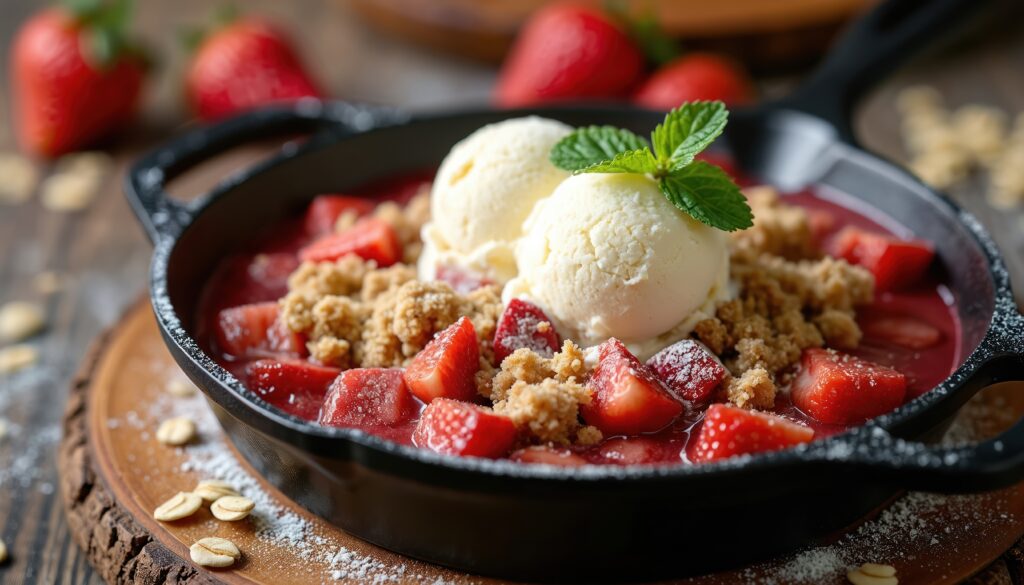
Strawberry Rhubarb Crisp
Early spring’s most iconic pairing arrives just as the season turns. Rhubarb—technically a vegetable but used as a fruit—appears at markets in March and April, and it’s best paired with the first spring strawberries to balance its tartness.
Toss four cups of sliced rhubarb and two cups of halved strawberries with a half cup of sugar and a tablespoon of cornstarch in a baking dish. For the topping, combine a cup of rolled oats, a half cup of flour, a half cup of brown sugar, a pinch of cinnamon and salt, and six tablespoons of cold butter cut into small pieces. Work the butter in with your fingers until the mixture resembles coarse crumbles. Spread the topping evenly over the fruit and bake at 350°F for about 45 minutes, until the topping is golden and the fruit is bubbling at the edges.
Serve warm—maybe with a scoop of vanilla ice cream on top—while the evening is still cool enough that something warm from the oven feels exactly right.
Why it fits: Strawberry rhubarb crisp is the dessert equivalent of opening a window on the first warm day of spring. It tastes unmistakably like the season turning.
Cook the Weather You Have
Early spring is genuinely one of the most interesting times to cook because the season itself is in transition. You don’t have to pick winter or summer—the best spring meals live right in the overlap. Warm enough to be satisfying, bright enough to feel like something new, built from the produce that’s actually at its best right now.
The equinox arrived yesterday. Let your kitchen catch up.