The Most Unpredictable Month of the Year
Check the forecast for a March week and you might see 70°F on Monday, 35°F on Wednesday, and back to 55°F by Friday. One day feels like spring has arrived; the next brings back winter with a vengeance. No other month experiences such dramatic temperature swings, and these wild fluctuations aren’t random chaos—they’re the result of two fundamentally different air masses fighting for control while neither has a clear advantage.
Understanding why March is so volatile reveals how seasonal transitions work, why weather patterns become unstable during these periods, and why forecasting March weather is notoriously difficult even with modern technology. It’s a month caught between seasons, when the atmosphere itself seems unable to make up its mind about which direction to go.
Two Air Masses in Conflict
By March, the sun has climbed significantly higher in the sky compared to winter. Daylight hours are increasing rapidly—about three minutes per day at mid-latitudes. Solar energy striking the ground has increased substantially, warming the land surface and the air above it.
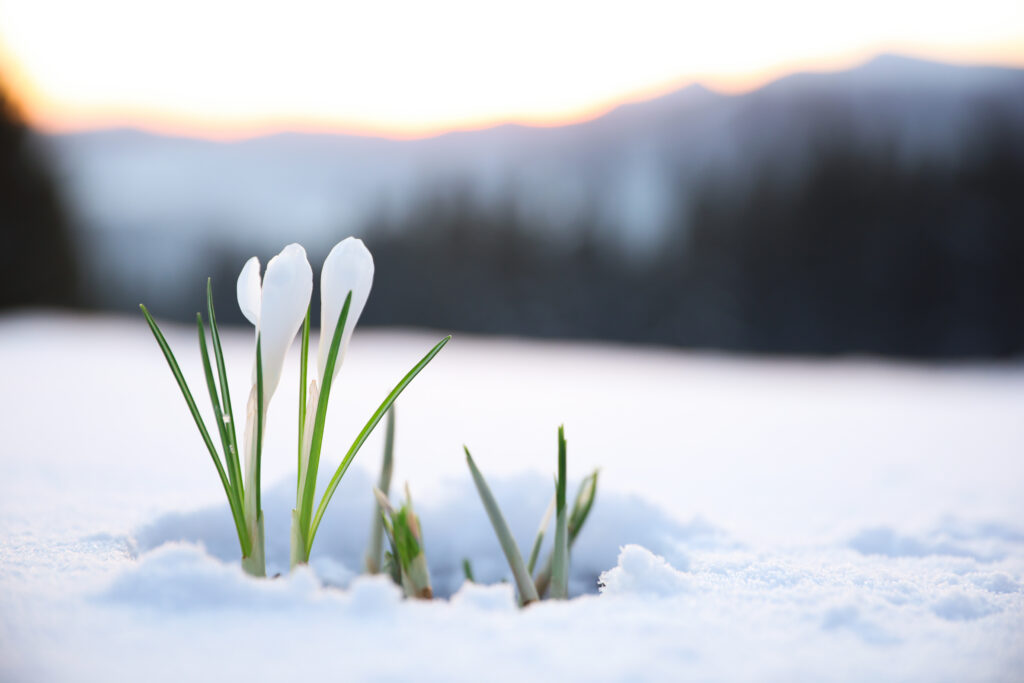
However, winter hasn’t surrendered. Large masses of cold air remain entrenched across Canada and the northern United States. Arctic air can still plunge southward, bringing temperatures well below freezing and occasionally delivering significant snowstorms even to areas where spring flowers have started blooming.
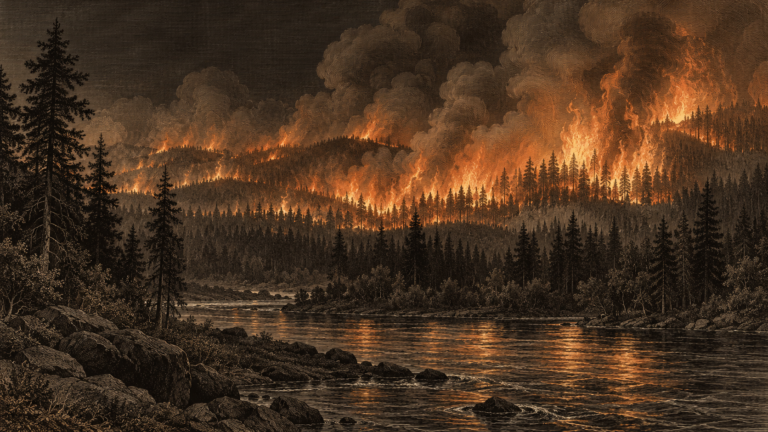
This creates the fundamental conflict: spring air masses building from the south encounter stubborn winter air masses refusing to retreat from the north. The boundary between these air masses—the frontal zone—becomes a battleground that shifts back and forth across the continent throughout the month.
Some days, the spring air wins, pushing northward and bringing mild temperatures. Other days, winter counterattacks, sending cold air surging southward and plunging temperatures. This back-and-forth battle creates March’s characteristic temperature roller coaster.
The Jet Stream Becomes Unstable
The jet stream—the high-altitude river of fast-moving air that steers weather systems—is driven by temperature contrasts between cold polar air and warm tropical air. The greater the temperature difference, the stronger and more focused the jet stream becomes.
In January, the jet stream is typically strong and relatively stable because the temperature contrast between the Arctic and mid-latitudes is enormous. Cold dominates the north, warmth stays in the south, and the boundary between them is well-defined.
By June, the temperature contrast weakens dramatically as the north warms. The jet stream becomes weak and meanders lazily northward, creating the generally stable summer weather pattern.
March sits right in the transition zone. The temperature contrast is decreasing but still substantial, and the jet stream is neither strong and stable (like winter) nor weak and consistent (like summer). Instead, it becomes highly variable—strengthening, weakening, making large north-south swings, and frequently changing position.
These jet stream gyrations cause rapid weather changes. When the jet stream swings north, warm air floods northward behind it. When it plunges south, cold air follows. The jet stream’s instability during March means these swings happen frequently and unpredictably.
Land Warms Faster Than Water
Another factor amplifying March temperature swings is the different heating rates of land and water. Land surfaces heat and cool quickly in response to changing solar input, while large bodies of water change temperature slowly due to water’s high heat capacity.
By March, land surfaces in the southern U.S. are warming rapidly under strengthening spring sunshine. The ground absorbs solar energy, heats up, and warms the air above it. Temperature differences of 20-30°F between early March and late March are common in interior locations.
But the oceans and Great Lakes remain cold, having stored winter’s chill in their enormous thermal mass. Maritime air masses drawing moisture and temperature characteristics from these cold water bodies are still quite cold in March.
When weather patterns shift and different air masses move across a region, you experience dramatic temperature changes because the air mass sources—warming land versus still-cold water—have vastly different characteristics. A switch from continental air (warmed over land) to maritime air (cooled over water) can drop temperatures 30°F in hours.
Snow Cover Creates Additional Instability
In early March, significant snow cover still exists across much of the northern U.S. and Canada. Snow-covered ground behaves very differently from bare ground in terms of heating.
Snow reflects 80-90% of incoming solar radiation back to space rather than absorbing it. This high reflectivity (albedo) prevents the ground from warming, keeping overlying air cold. Meanwhile, areas without snow cover warm rapidly as dark soil absorbs solar energy.
This creates extreme temperature gradients over short distances. One region with lingering snow might experience highs in the 30s while an area 100 miles away without snow reaches the 60s under the same sunshine.
As March progresses, the snow line retreats northward, but its position varies day-to-day and week-to-week based on recent weather. This creates constantly shifting patterns of cold and warm zones, adding to temperature volatility.
Why Forecasting March Is So Difficult
Meteorologists have sophisticated computer models, satellite data, and decades of historical records, yet March forecasts beyond a few days remain notoriously uncertain. The reason is the instability described above—small changes in jet stream position or air mass boundaries produce large differences in temperature outcomes.
A forecast made Monday for the following weekend might show 65°F based on expected jet stream position. By Wednesday, subtle model changes suggest the jet stream will be 200 miles farther south, bringing cold air instead and changing the forecast to 40°F. Neither forecast was “wrong” initially—March’s atmosphere is just so sensitive to small variations that predictions become unreliable beyond a few days.
This sensitivity frustrates both forecasters and the public. People want certainty about upcoming weather for outdoor plans, but March refuses to cooperate, maintaining unpredictability until one air mass or the other gains clear dominance.
Spring Advances, Then Retreats
The average temperature trend through March is upward—spring is winning the war, even if winter wins individual battles. Late March is warmer than early March in a typical year, and April will be warmer still.
But this advance isn’t steady. Spring pushes forward for several days, winter pushes back, spring advances again farther than before, winter makes another stand. The pattern looks like a stock market chart—general upward trend with significant short-term reversals.
Some years see particularly aggressive winter counterattacks. Arctic air plunging south in late March can bring temperature drops of 40-50°F in 24 hours, creating dramatic weather stories and memorable “winter’s last gasp” events. These late-season cold shots can damage early-blooming plants and create hazardous conditions, but they’re always temporary—spring ultimately prevails.
Regional Variations
March volatility affects different regions unequally:
Great Plains and Midwest experience the most extreme swings because they lack geographic barriers to air mass movement. Cold Arctic air and warm Gulf air can clash directly, producing temperature changes of 50°F or more within days.
Coastal areas see moderated swings because nearby ocean water stabilizes temperature somewhat, though they’re not immune to March’s volatility.
Mountain regions create their own complexity, with elevation determining which air mass dominates. Valleys might be warm while nearby mountains remain winter-locked, creating sharp temperature gradients.
Southern states experience less dramatic absolute temperature changes but can still see 30-40°F swings between warm spells and late cold fronts.
Living With March Unpredictability
March’s weather instability requires flexible planning and layered clothing strategies. That sunny 70°F day requires light clothing, but 48 hours later you might need winter gear again. The month teaches patience and adaptability—trying to schedule outdoor activities more than a few days ahead is gambling against March’s volatility.
Gardeners face particular challenges. Warm spells tempt planting, but subsequent freezes can devastate tender plants. Experienced gardeners know to resist March’s false spring promises, waiting until the pattern stabilizes in April or May before trusting that winter won’t return.
The Tipping Point Month
Despite its chaos, March represents progress. The lengthening days and strengthening sun are slowly shifting the balance. Winter’s counterattacks become weaker and less frequent as March proceeds. By month’s end, the jet stream typically settles into a more northerly position, warm air becomes the default rather than the exception, and April ushers in more consistent spring conditions.
A Month Defined by Transition
The next time you experience a March temperature roller coaster—jacket weather on Monday, shorts on Wednesday, back to winter coats Friday—remember that you’re living through a fundamental atmospheric battle. Winter and spring are fighting for dominance, and neither side holds a clear advantage in March. The result is chaos, unpredictability, and temperature swings that can span 50 degrees in a single week.
It’s frustrating for planning purposes, challenging for forecasters, and hard on plants and animals trying to navigate the transition. But it’s also perfectly normal—March’s wild swings are how our atmosphere resolves the fundamental shift from winter to spring, working through the instability created when rapidly increasing solar energy meets persistent cold air masses that haven’t yet admitted defeat.
The temperature swings will continue, the forecasts will remain uncertain, and we’ll all continue checking the weather multiple times daily hoping for clarity that March refuses to provide. It’s the price we pay for seasonal transition, the cost of moving from winter’s stability to spring’s renewal—and it happens every year, as reliably unpredictable as ever.