Winter Home Maintenance Checklist: Essential Tasks Before the Cold Sets In
Protect Your Home Before Winter Weather Strikes
Winter weather can be tough on your home. Freezing temperatures, ice, snow, and wind put stress on everything from your roof to your foundation. A little preventive maintenance now can save you from expensive repairs, uncomfortable living conditions, and emergency calls to contractors during the coldest months of the year.
Inspect and Clean Your Gutters
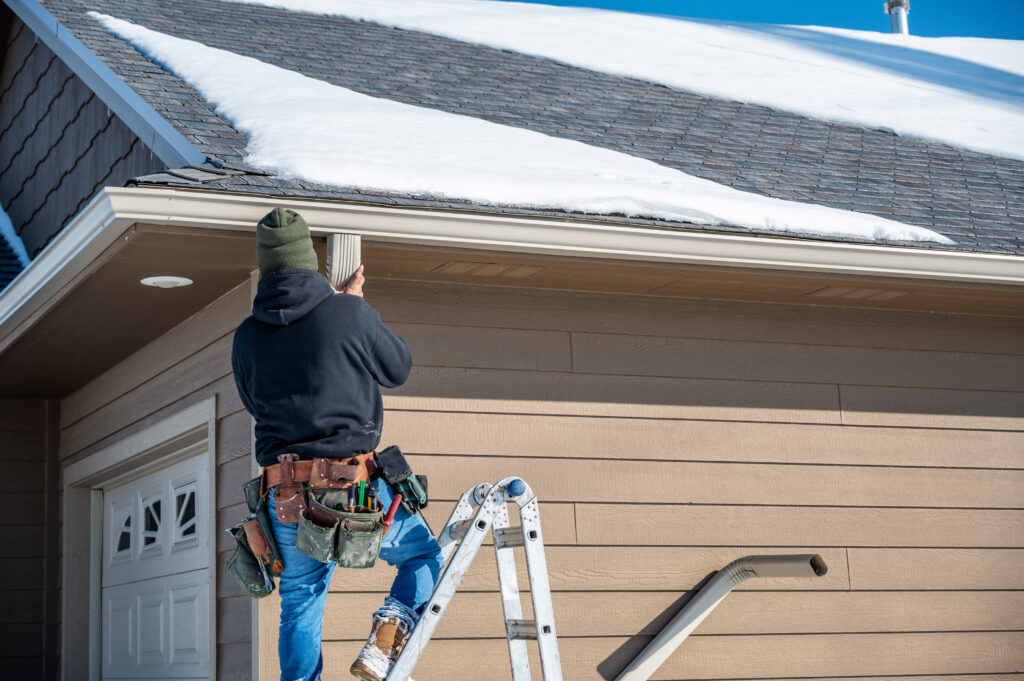
Clogged gutters can cause major problems in winter. When water can’t drain properly, it backs up and freezes, creating ice dams that can damage your roof, gutters, and even the interior of your home.
Before temperatures drop, clear out all leaves, twigs, and debris from your gutters and downspouts. Make sure water flows freely away from your foundation. If you’re not comfortable doing this yourself, hire a professional—it’s worth the investment.
Check Your Roof for Damage
Look for missing, loose, or damaged shingles that could let water seep in when snow melts or ice forms. Pay attention to flashing around chimneys, vents, and skylights where leaks commonly develop.
If you notice any problems, get them repaired before winter weather arrives. A small leak can turn into serious water damage once snow starts accumulating on your roof.
Seal Gaps and Cracks Around Windows and Doors
Cold air sneaking in through gaps wastes energy and makes your heating system work harder. Walk around your home and check for drafts around windows, doors, and any place where pipes or wires enter the house.
Use weatherstripping on doors and windows, and caulk any cracks or gaps you find. This simple step can significantly reduce your heating bills and keep your home more comfortable all winter long.
Service Your Heating System
Your furnace or heating system needs to be in good working order before you rely on it daily. Schedule a professional inspection and tune-up if you haven’t had one in the past year.
Replace your furnace filter and keep extras on hand—you should change it every one to three months during heavy use. A clean filter improves efficiency and air quality while reducing strain on your system.
Protect Your Pipes from Freezing
Frozen pipes can burst and cause thousands of dollars in water damage. Insulate any exposed pipes in unheated areas like basements, crawl spaces, attics, and garages.
Disconnect and drain outdoor hoses, and shut off outdoor water valves if possible. For outdoor faucets, consider installing insulated covers. If you have pipes in exterior walls, let a small trickle of water run during extreme cold to keep water moving and prevent freezing.
Test Your Smoke and Carbon Monoxide Detectors
Heating systems, fireplaces, and space heaters increase the risk of fire and carbon monoxide poisoning in winter. Test all smoke detectors and carbon monoxide detectors in your home, and replace batteries if needed.
If your detectors are more than 10 years old, replace them entirely. This is also a good time to review your family’s emergency exit plan in case of fire.
Clean Your Chimney and Inspect Your Fireplace
If you use a fireplace or wood stove, have your chimney professionally cleaned and inspected before you start using it regularly. Creosote buildup can cause chimney fires, and blockages can lead to dangerous carbon monoxide levels inside your home.
Check that the damper opens and closes properly, and make sure you have a sturdy screen or glass doors to contain sparks.
Trim Trees and Remove Dead Branches
Heavy snow and ice can bring down weak or dead branches, potentially damaging your roof, vehicles, or power lines. Walk around your property and look for any branches hanging over your house or near power lines.
Remove dead or damaged limbs, and trim back any branches that could become hazards in a winter storm. If large trees need attention, hire a professional tree service.
Check Your Sump Pump and Drainage
Winter thaws and heavy snow melt can lead to basement flooding if your drainage systems aren’t working properly. Test your sump pump by pouring water into the pit to make sure it activates and pumps water out efficiently.
Clear any debris from window wells and make sure the ground around your foundation slopes away from your home to direct water away from the building.
Stock Up on Winter Supplies
Make sure you have what you need before the first big storm hits. Keep a supply of ice melt or sand for walkways, a good snow shovel or snow blower in working order, and extra batteries for flashlights.
It’s also smart to have emergency supplies like bottled water, non-perishable food, blankets, and a battery-powered radio in case of power outages.
A Little Prevention Goes a Long Way
Taking care of these maintenance tasks before winter arrives helps protect one of your biggest investments—your home. Most of these jobs only take a few hours, and the peace of mind is worth every minute. Don’t wait until the first snowstorm or cold snap to realize something needs attention. Get ahead of winter now, and you’ll be glad you did.