Understanding How Overcast Conditions Affect Mood, Energy, and Perception of Cold
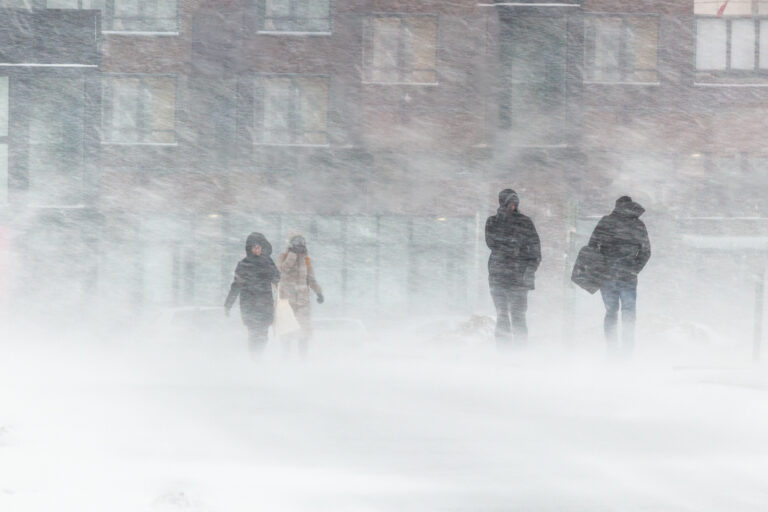
Some winter days feel merely cold—crisp, clear, with bright sunlight reflecting off snow and blue skies overhead. Other days feel oppressively gloomy despite similar temperatures—gray skies pressing down, flat light draining color from the landscape, and a pervasive dreariness that seems to seep into your mood and sap your energy. These aren’t just subjective differences in outlook. Gray, overcast winter days create measurably different light conditions that affect human biology, perception, and psychology in ways that sunny winter days don’t. Understanding why some winter days feel so much gloomier than others reveals the interplay between light intensity, wavelength distribution, circadian rhythms, color perception, and the human brain’s surprising sensitivity to environmental light conditions.
Light Intensity Drops Dramatically Under Overcast Skies
The most fundamental difference is how much light reaches the ground:
Bright winter sunlight can provide 5,000 to 10,000 lux or more at ground level on clear days—sufficient to stimulate biological responses and create a sense of brightness.
Overcast winter skies reduce light levels to 1,000 to 3,000 lux depending on cloud thickness—a substantial decrease that your eyes notice even if you don’t consciously register it.
Dense, low clouds on the gloomiest days might provide only 500 to 1,000 lux—less than many well-lit office spaces, and far below the light levels that effectively regulate circadian rhythms.
This dramatic reduction affects not just what you see but also biological processes triggered by light exposure.
Your brain requires bright light for optimal functioning—reduced light levels are associated with decreased alertness, lower mood, and reduced cognitive performance.
Indoor lighting typically provides only 300-500 lux, so overcast days barely improve on indoor conditions, providing little of the bright light your body expects during daytime hours.
Wavelength Distribution Changes
Beyond intensity, the quality of light differs:
Direct sunlight includes the full spectrum of visible light plus infrared radiation that provides warmth you can feel.
Overcast skies filter light through clouds, scattering blue wavelengths more than red, creating the characteristic flat, bluish-gray light of overcast days.
This filtered light lacks the warmth (both literal and perceptual) of direct sunlight. You don’t feel solar heating, and the visual character of the light appears cold.
Color rendering changes under overcast light—colors appear muted, less saturated, more gray. The landscape loses visual interest as contrast decreases.
This wavelength shift affects color perception and may contribute to the psychological sense that overcast days are “drained” of vitality and warmth.
The absence of directional light from a visible sun creates shadowless, flat illumination that reduces depth perception and visual interest in the environment.
Circadian Rhythm Disruption
Overcast light affects your internal clock:
Circadian rhythms (your body’s 24-hour biological cycles) are primarily regulated by light exposure, particularly bright light in the morning and darkness at night.
Bright morning light advances your circadian phase, helping you wake up, increasing alertness, and synchronizing your internal clock with the external day-night cycle.
Dim overcast light provides insufficient stimulus for robust circadian regulation, particularly in winter when you might not go outside during the limited daylight hours.
Insufficient light exposure during the day leads to circadian phase delay—your body clock drifts later, making it harder to wake in the morning and easier to stay awake late at night.
This disruption contributes to winter fatigue, difficulty waking, and the general malaise associated with dark, overcast seasons.
The effect accumulates—days or weeks of insufficient bright light exposure progressively worsens circadian dysregulation and its associated symptoms.
Melatonin Suppression Fails
Light affects hormones that control sleep and alertness:
Melatonin is the hormone that promotes sleepiness. It’s suppressed by bright light and rises when light levels drop.
On sunny winter days, even brief outdoor exposure provides enough bright light to suppress melatonin, promoting alertness and wakefulness.
On overcast days, light levels may be insufficient to fully suppress melatonin, leaving you in a twilight state—not sleepy enough to sleep but not alert enough for optimal functioning.
This explains the drowsy, sluggish feeling of gloomy winter days—your body never fully transitions into daytime alertness because light cues are inadequate.
Indoor lighting doesn’t compensate because typical indoor levels (300-500 lux) are far below the 1,000-2,500+ lux needed for reliable melatonin suppression.
The brain interprets dim, overcast conditions as extended twilight, maintaining elevated melatonin that makes you want to hibernate rather than engage actively with the day.
Serotonin Production Decreases
Light exposure affects mood-regulating neurotransmitters:
Serotonin is a neurotransmitter associated with mood regulation, and its production is influenced by light exposure.
Bright light stimulates serotonin production, contributing to elevated mood and sense of well-being.
Dim light reduces serotonin synthesis, potentially contributing to low mood, irritability, and the emotional flatness associated with prolonged overcast weather.
This mechanism partly explains Seasonal Affective Disorder (SAD)—reduced winter light leads to decreased serotonin, contributing to depression in susceptible individuals.
Consecutive gloomy days create cumulative effects as serotonin levels remain depressed without the regular boosts provided by bright, sunny days.
The association between sunshine and mood isn’t just psychological preference—it reflects real neurochemical changes triggered by varying light conditions.
Vitamin D Synthesis Stops
Sunlight enables vitamin D production:
UVB radiation from sunlight hitting exposed skin triggers vitamin D synthesis in your body.
Overcast skies block most UVB, preventing vitamin D production even if you’re outdoors.
Winter sun angle already reduces UVB reaching the ground in temperate latitudes. Clouds eliminate what little might penetrate.
Vitamin D deficiency is associated with mood disorders, immune dysfunction, fatigue, and other health issues.
During winter, especially in overcast climates, vitamin D levels can drop significantly without supplementation.
While not an immediate cause of daily gloominess (vitamin D status changes slowly), chronic deficiency contributes to the cumulative burden of winter’s effects.
Visual Environment Becomes Monotonous
Beyond biological effects, overcast conditions reduce sensory stimulation:
Everything appears gray—sky, landscape, buildings all blend into similar tones without strong contrast or visual interest.
Shadowless lighting eliminates depth cues and textural details that make scenes visually engaging.
Colors are muted as the flat, diffuse light fails to bring out color saturation.
The landscape becomes visually boring—scanning your environment provides little novelty or stimulation.
This sensory deprivation contributes to boredom, restlessness, and the feeling that nothing is happening—even when you’re active, the environment provides less feedback than during sunny conditions.
Human brains crave visual novelty and contrast. Overcast conditions provide neither, creating subtle but persistent understimulation.
Social and Behavioral Factors
Gloomy weather affects behavior in ways that compound psychological effects:
People stay indoors more on gloomy days, reducing social interaction and physical activity—both important for mood regulation.
Outdoor exercise is less appealing when the environment is visually unappealing and feels cold, reducing the mood benefits of physical activity.
Social events may be cancelled or poorly attended during prolonged gloomy periods, reducing social connection.
The self-fulfilling aspect: You feel gloomy, so you withdraw and become less active, which worsens your mood, creating a negative feedback loop.
Cultural factors reinforce associations between gloomy weather and negative mood, potentially amplifying the effect through learned responses.
Geographic Differences in Gloom Tolerance
Adaptation to overcast conditions varies:
Pacific Northwest residents experience frequent overcast conditions and develop coping mechanisms, though many still struggle with seasonal mood effects.
Those accustomed to sunny climates find prolonged overcast especially challenging when visiting or moving to cloudier regions.
Scandinavian cultures in high latitudes with extreme seasonal light variations have developed cultural practices to cope—emphasis on cozy indoor environments (hygge), outdoor activity regardless of weather, and artificial lighting strategies.
SAD prevalence varies by latitude and typical winter conditions, with higher rates in regions combining high latitude and frequent cloud cover.
Tolerance develops somewhat with extended exposure, though most people still show measurable mood and energy effects from prolonged overcast conditions.
The Contrast Effect
Sunny days feel especially wonderful after gloomy stretches:
The psychological impact of weather depends partly on contrast—a sunny day after two weeks of overcast feels dramatically uplifting.
Consistently sunny climates may produce less emotional reaction to weather variation because there’s little contrast.
The break in gloom provides disproportionate mood boost because it offers relief from accumulated light deprivation and sensory monotony.
This explains the euphoria many people feel on that first truly sunny day after extended overcast—relief from biological light hunger and psychological monotony.
Coping Strategies
Managing the effects of gloomy winter days:
Light therapy using 10,000-lux light boxes for 20-30 minutes daily can compensate for inadequate environmental light, effectively treating SAD and subclinical seasonal mood effects.
Force yourself outdoors even on overcast days—2,000 lux from overcast sky is still brighter than indoor lighting, providing some circadian and mood benefits.
Exercise becomes even more important during gloomy periods to compensate for mood effects through endorphin release and other mechanisms.
Social connection requires deliberate effort when weather discourages spontaneous interaction.
Bright indoor lighting can help—increasing home and workspace lighting above typical levels (1,000-2,000 lux if possible) provides better stimulus than standard 300-500 lux.
Vitamin D supplementation addresses one component of the problem, though it doesn’t replace the full spectrum of light exposure benefits.
Accept the seasonality—recognize that reduced energy and somewhat lower mood are normal responses to reduced light, not personal failings requiring fixing.
When Professional Help Is Needed
Distinguishing normal seasonal variation from clinical issues:
Seasonal Affective Disorder is diagnosed when depressive episodes regularly occur during specific seasons (usually winter) and remit at other times.
Symptoms include: persistent low mood, loss of interest in activities, fatigue, oversleeping, carbohydrate cravings, and weight gain.
Professional treatment includes light therapy, cognitive behavioral therapy, medication, or combinations.
Subclinical seasonal effects (not meeting diagnostic criteria) affect far more people than clinical SAD but still impair quality of life.
If gloomy weather significantly impairs functioning or creates persistent distress, consulting mental health professionals is appropriate even if symptoms don’t reach diagnostic thresholds.
The Neurological Reality
The gloominess of overcast winter days isn’t “in your head” in the dismissive sense—it’s in your head in the literal neurological sense:
Reduced light intensity fails to adequately suppress melatonin or stimulate serotonin, circadian rhythms drift without bright light anchors, color perception becomes literally less vivid in flat lighting, and your visual cortex receives less stimulating input from a monotonous gray environment.
These are measurable biological and neurological effects, not attitude problems or weakness. Your brain and body respond to environmental light conditions in ways evolved for environments with natural day-night cycles and seasonal variation but not optimized for modern scenarios where people spend days indoors under dim artificial light during already-shortened winter days made dimmer still by persistent overcast.
Understanding that those unbearably gloomy winter days create real biological challenges—not just aesthetic preferences or learned associations—validates the difficulty many people experience and points toward evidence-based interventions (bright light exposure, exercise, social connection, vitamin D) rather than dismissive advice to “just be positive” about weather you can’t control. The physics of reduced light intensity and altered wavelengths combines with the psychology and neurology of human light requirements to create genuinely challenging conditions on those gray winter days when skies press down, colors drain away, and even getting out of bed feels harder than it should.