Understanding the Optical Phenomenon That Paints Peaks in Rosy Light
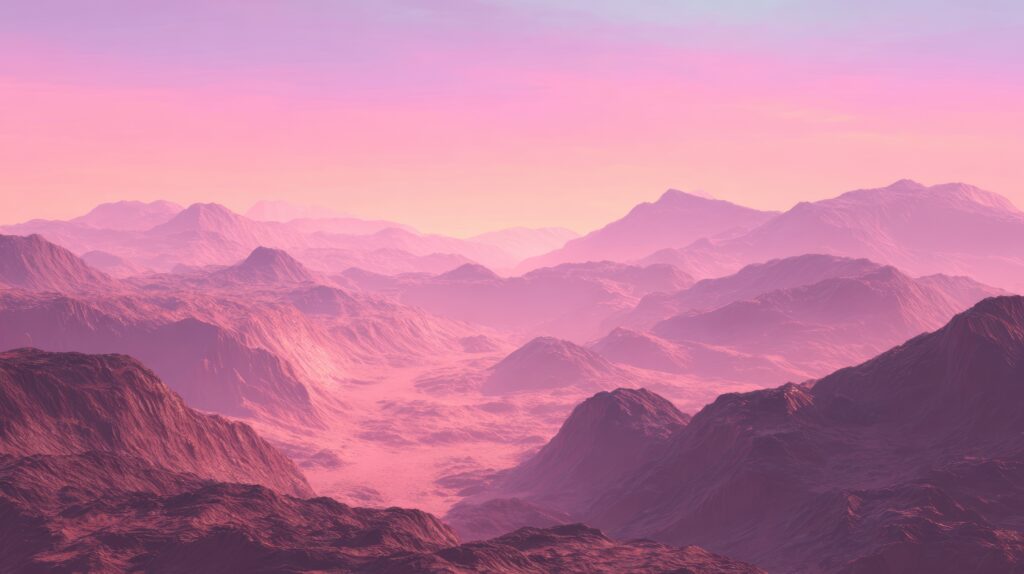
Stand in a valley before sunrise on a clear winter morning and watch as mountain peaks catch the first light of day, glowing brilliant pink, rose, or even deep crimson while the valley remains in shadow. This spectacular phenomenon—called alpenglow—transforms snow-covered summits into luminous beacons that seem to emit their own light. The effect reverses at sunset, when peaks continue glowing long after the sun disappears below the horizon, maintaining their pink radiance while darkness settles over lower elevations. Understanding alpenglow reveals elegant physics about how sunlight travels through the atmosphere, how different wavelengths scatter differently, and why elevation creates such dramatic optical effects.
It’s All About the Sun’s Angle
Alpenglow occurs because mountain peaks receive direct sunlight while valleys remain in shadow:
At sunrise, the sun is below the horizon for valley observers but above the horizon relative to high peaks. Mountains literally poke into sunlight that hasn’t yet reached lower elevations.
At sunset, peaks remain in sunlight after the sun has dropped below the horizon for valleys. Mountains catch the last direct rays while lowlands fall into shadow.
This elevation difference is essential. The higher the peak, the longer it receives direct sunrise light before valleys do, and the longer it retains sunset light after valleys lose it.
The viewing angle creates the effect. You’re standing in shadow looking up at peaks that are illuminated—the contrast makes the glow particularly dramatic.
Without mountains providing elevated surfaces, alpenglow wouldn’t occur. The phenomenon specifically requires topographic relief that creates different horizons for different elevations.
Why Pink Instead of White?
Direct sunlight is white—so why do illuminated peaks glow pink?
Path length through atmosphere determines color. At sunrise and sunset, sunlight travels through much more atmosphere than at midday—the sun’s rays take a long, oblique path through air rather than coming straight down.
Rayleigh scattering removes blue light. As sunlight passes through this extended atmospheric path, air molecules preferentially scatter blue and violet wavelengths away from the beam. This is the same process that makes the sky blue—blue light is scattered in all directions while other colors pass through more directly.
Red and orange wavelengths survive the long atmospheric journey because they scatter much less than blue wavelengths. By the time sunlight reaches mountain peaks at sunrise/sunset, most blue light has been scattered away, leaving predominantly red, orange, and pink wavelengths.
Snow reflects these warm colors back to your eyes. The white snow acts as a perfect reflector, showing you the actual color of the sunlight illuminating it—which is pink-orange because blue wavelengths have been scattered away.
The same physics creates sunset colors generally. Alpenglow is essentially sunset/sunrise light reflected from snow, making the color visible and dramatic where it might otherwise be subtle.
True Alpenglow vs. Direct Illumination
Strictly speaking, mountaineers and physicists distinguish between two related phenomena:
Direct illumination occurs when mountain peaks receive actual sunlight—the first rays at sunrise or last rays at sunset. This produces the dramatic pink glow most people call alpenglow.
True alpenglow (afterglow) is a second glow that occurs after even the peaks have fallen into Earth’s shadow. This secondary glow comes from sunlight scattered off the atmosphere high above the mountains, then reflected back down to illuminate peaks with a fainter, pink-purple light.
The afterglow appears about 15-30 minutes after sunset, after the direct pink glow has faded. It’s subtler and often overlooked, but careful observers see peaks glow again with a different quality—softer, more diffuse, often more purple than pink.
Both phenomena result from atmospheric scattering of sunlight at extreme angles, but true alpenglow involves an additional scattering step—light bouncing off the upper atmosphere before reaching mountains.
In common usage, “alpenglow” refers to all of these effects—any time mountains glow pink, orange, or rosy at sunrise or sunset.
Optimal Conditions for Alpenglow
Certain conditions create the most spectacular displays:
Clear skies are essential. Clouds block direct sunlight and prevent the effect. The clearest air—like after cold fronts or in dry climates—produces the most intense colors.
Fresh snow provides the best reflecting surface. Old, dirty snow or bare rock don’t reflect colors as purely or dramatically.
High peaks relative to viewing position maximize the effect. The greater the elevation difference, the longer peaks remain illuminated while valleys stay in shadow.
Low humidity enhances color intensity. Dry air scatters light with less interference, allowing purer colors to develop.
Dust or aerosols in the atmosphere can actually enhance alpenglow by increasing scattering, though too much pollution creates haze that dulls colors.
Winter provides optimal conditions in many regions—cold, dry air with fresh snow cover and low sun angles that create extended twilight periods.
The Color Sequence
Alpenglow colors change as the sun’s angle changes:
Early (sunrise)/late (sunset): Deep pink or crimson when the sun is furthest below the valley horizon but still illuminating peaks. Maximum atmospheric path length creates the warmest colors.
Middle: Orange-pink to light pink as the sun rises higher or hasn’t dropped as low. Less extreme atmospheric path produces slightly cooler colors.
Final: Pale pink to white as sunrise progresses and sunlight becomes more direct, or at sunset’s beginning before colors intensify.
At sunrise, the sequence reverses what you see at sunset—colors cool as the sun rises rather than warming as it sets.
The afterglow (true alpenglow) adds purple tones after the direct glow fades, then gradually disappears as even scattered light no longer reaches the peaks.
The progression typically lasts 20-40 minutes at each twilight, longer in winter when the sun’s path below the horizon is more gradual.
Geographic Patterns
Alpenglow occurs worldwide but is most famous in certain ranges:
The Alps gave the phenomenon its name (“Alpen” means Alps in German). Classic alpenglow on peaks like the Matterhorn has inspired artists and mountaineers for centuries.
The Himalayas produce spectacular displays, with enormous elevation differences creating dramatic contrasts.
The Rockies and Cascades in North America offer frequent alpenglow displays, particularly visible from valley towns that look up at snow-covered peaks.
The Andes create dramatic alpenglow visible from Patagonia to Peru.
Antarctica produces alpenglow effects though few people are positioned to observe them.
Any mountain range with sufficient relief can produce alpenglow, but the effect is most dramatic where high peaks rise above valley floors, creating maximum viewing contrast.
Why Photographers Love Alpenglow
Alpenglow is among the most sought-after conditions for mountain photography:
The color is extraordinary—warm, dramatic pink-orange light that transforms landscapes.
Contrast is built-in. Illuminated peaks against darkened valleys create natural drama without additional lighting.
The window is brief, making successful captures feel special and rewarding.
Conditions are predictable in terms of timing—sunrise and sunset—though weather must cooperate with clear skies.
Snow reflectance is ideal photographically, showing colors purely and brightly.
The phenomenon can’t be faked. This is real light creating real colors at specific times under specific conditions—not something you can recreate artificially.
Classic alpenglow photographs from places like Mount Rainier, the Tetons, or the Alps command attention precisely because the colors are so dramatic and the conditions so specific.
Cultural Significance
Alpenglow has inspired human cultures throughout mountain history:
Alpine villages have names and folklore connected to the pink glow of peaks—viewed as special, even magical.
Mountaineering literature frequently describes alpenglow as a highlight of climbing—the reward for summit ascents or bivouacs that time with twilight.
Painters including Albert Bierstadt and other mountain artists captured alpenglow as a defining characteristic of mountain landscapes.
Modern tourism markets alpenglow viewing as a special experience, with lodges and viewpoints positioned specifically for optimal sunrise/sunset mountain views.
The phenomenon connects observers to the physics of light and atmosphere in an immediate, visceral way—you’re watching solar rays travel hundreds of miles through air, transformed by scattering, and reflected from distant peaks.
Observing Alpenglow Yourself
To experience alpenglow:
Find mountain views from valleys or lower elevations, looking up at higher peaks.
Time your observation for sunrise or sunset—approximately 30 minutes before sunrise to 30 minutes after sunrise, or 30 minutes before sunset to 30 minutes after sunset provides the window.
Choose clear weather following storms or cold fronts when air is cleanest.
Winter provides best conditions with fresh snow, clear air, and lower sun angles.
Be patient. The most intense colors often appear just minutes after sunset or just before sunrise reaches valleys—easy to miss if you’re not paying attention.
Watch the afterglow too. After the first pink glow fades, wait—peaks may illuminate again with the subtler, secondary alpenglow.
The Physics Made Visible
Alpenglow transforms abstract physics—Rayleigh scattering, wavelength-dependent atmospheric transmission, angular path length through air—into a spectacular visual display. The same processes that make the sky blue during the day and create red sunsets manifest as pink-glowing mountains when topography provides the right geometry.
Every winter sunrise and sunset offers the possibility of alpenglow, but only when mountains, snow, clear air, and your viewing position align. When they do, you witness one of nature’s most dramatic light shows—mountain peaks seemingly ignited with pink fire, glowing brilliant against darkened valleys, demonstrating that the most beautiful natural phenomena often emerge from simple physics expressed through landscape at precisely the right moment.
Next time you see mountain peaks glowing pink at twilight, you’ll recognize that you’re not seeing reflected city lights or some mysterious property of snow—you’re watching sunlight that’s traveled obliquely through hundreds of miles of atmosphere, been stripped of its blue wavelengths by molecular scattering, and arrived at distant summits as pink-orange light that snow reflects back to your eyes in the valley below. It’s the physics of scattering and the geometry of elevation combining to paint mountains in colors that seem too vivid to be real—but are simply what happens when white snow meets colored sunlight at dawn or dusk.