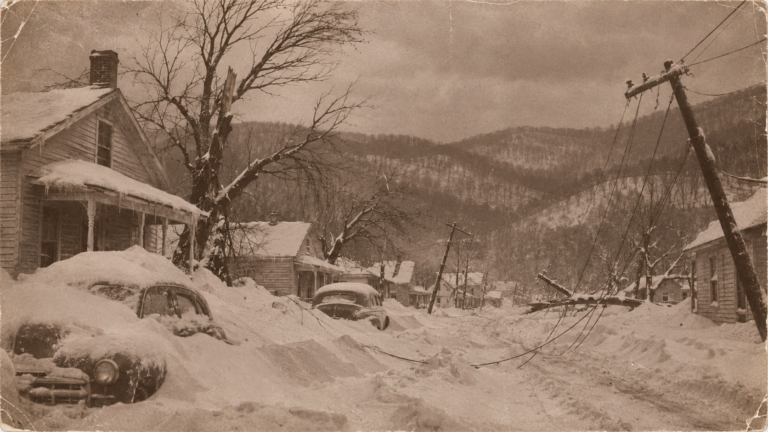
Space Weather and Earth Weather, Together
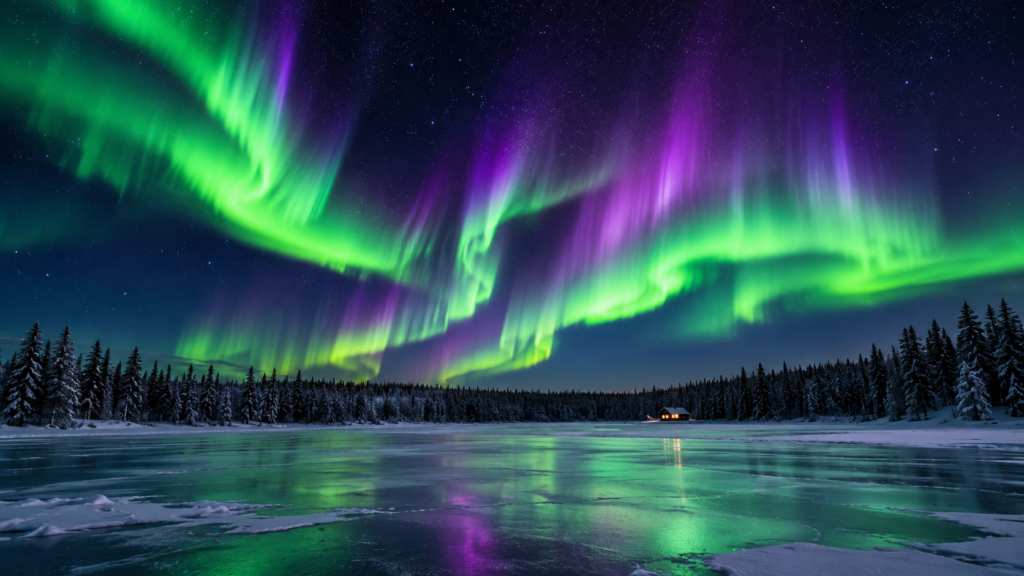
When people think of weather, they think of what happens in the atmosphere, but the sun produces its own kind of weather, and its effects can be seen in the night sky. The northern lights, or aurora borealis, are a visible result of space weather, and fall and winter are among the best times of year to see them. Understanding why makes it easier to plan a viewing, and explains why the aurora has been in the news so often in recent years.
What Creates an Aurora
The sun constantly streams charged particles into space, a flow known as the solar wind. Sometimes the sun releases much more intense bursts, such as coronal mass ejections, which are enormous clouds of charged particles. When these particles reach Earth, they are guided by the planet’s magnetic field toward the polar regions.
There, the particles collide with gases in the upper atmosphere, typically 60 to 200 miles or more above the ground. The collisions excite the gas atoms, which then release their energy as light. Oxygen produces the green and sometimes red colors, while nitrogen can add blue and purple hues. The result is the shimmering curtains, arcs, and rays that make the aurora so striking.
The Role of Geomagnetic Storms
When the sun’s output is particularly strong and the magnetic field of the incoming material lines up in the right way, it can disturb Earth’s magnetic field, creating what’s known as a geomagnetic storm. These storms are rated on a scale from G1, minor, to G5, extreme, by the National Oceanic and Atmospheric Administration’s Space Weather Prediction Center. The stronger the storm, the farther south the aurora can be seen.
During a major storm in May 2024, rated G5, auroras were seen across much of the United States and as far south as the southern states and beyond, which brought the phenomenon to people who had never seen it before.
The Solar Cycle
The sun’s activity rises and falls in a cycle of roughly eleven years. At the peak, called solar maximum, there are more sunspots, more solar flares, and more coronal mass ejections, and the chances of strong geomagnetic storms increase. The current cycle, Solar Cycle 25, reached its peak period in 2024 and 2025, and activity remains elevated for some time after the peak, so the next couple of years can still produce strong displays.
The cycle doesn’t decline smoothly, and powerful storms have occurred during the declining phase of past cycles, so aurora watchers keep paying attention.
Why Fall and Winter Are Better
Several factors make the colder part of the year especially good for aurora viewing. The first is simple: long nights. In summer at northern latitudes, the sky may never get fully dark, but in fall and winter, nights are long and dark, giving far more time to watch.
The second is more subtle. Geomagnetic activity tends to be statistically higher around the equinoxes, in March and April and in September and October, than at the solstices. This pattern is linked to the way Earth’s magnetic field is tilted relative to the sun’s, which at those times of year makes it easier for the solar wind to connect with Earth’s magnetic field and transfer energy. This relationship is sometimes called the Russell-McPherron effect.
Between the longer nights and the equinox boost, the autumn months are an especially productive time, and winter continues to offer the dark skies.
The Role of Ordinary Weather
For all that the aurora is a space phenomenon, it is still seen through Earth’s atmosphere, so ordinary weather decides whether you can see it. Clouds block the view completely, so a clear sky is essential. Check the cloud forecast for your area as well as the aurora forecast. Moonlight can also wash out fainter displays, so a darker sky helps. Cold, clear nights are often the best, which is one reason why winter is popular, though dressing warmly and having patience matters.
How to Watch
Find a dark spot away from city lights with a clear view to the north. The National Oceanic and Atmospheric Administration’s Space Weather Prediction Center provides forecasts and alerts, and several apps summarize them. Give your eyes about 20 minutes to adjust to the darkness. A camera or even a modern smartphone can capture colors more vividly than the naked eye, since the aurora often appears paler to the eye than in photographs, particularly at lower latitudes.
A Reason to Look Up
With the sun still active, longer nights, and the equinox effect still fresh from the early fall, this is a good time to keep an eye on aurora alerts. Whether or not a major storm arrives, the forecast gives a window into the sun’s activity, and a clear, dark night may offer a chance at one of nature’s most spectacular displays.