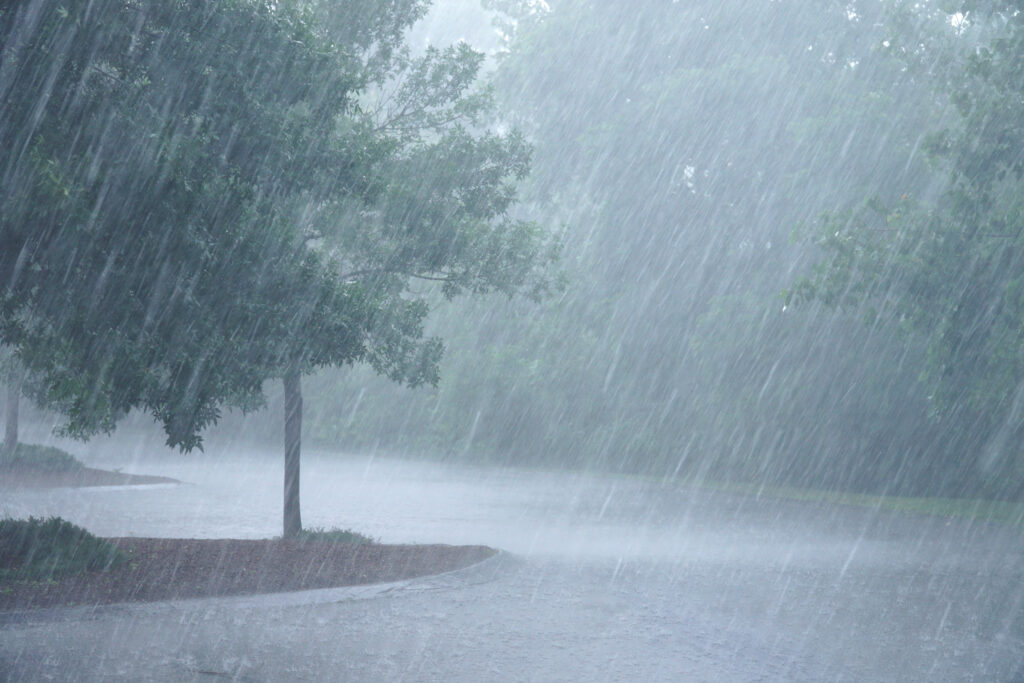
That Distinctive Fresh Scent After a Storm
There’s something universally appealing about the smell of rain, especially after a long dry spell. That fresh, earthy aroma that rises from the ground when the first drops fall has a devoted following—people describe it as clean, pleasant, almost intoxicating. But rain itself is just water, and pure water has no smell. So what exactly are you smelling when you step outside during or after a rainfall?
The scent you’re experiencing is called petrichor, a term coined by two Australian researchers in 1964. It comes from a combination of plant oils, bacterial compounds, and ozone that are released or activated when rain hits dry soil. Understanding the chemistry behind this smell reveals a fascinating intersection of botany, microbiology, and atmospheric science.
Plant Oils Released From Dry Soil
During dry periods, some plants secrete oils that accumulate in soil and on rock surfaces. Scientists believe these oils may serve several purposes: they could slow seed germination during drought, inhibit competing plant growth, or help the plant retain moisture.
When rain finally arrives, these accumulated oils are released into the air. The oils don’t dissolve in water—instead, raindrops hitting the dry ground trap tiny air bubbles that burst and release aerosols containing these plant compounds. This creates a mist of oil particles that we detect as a pleasant, slightly sweet smell.
The longer the dry spell before the rain, the more oils have accumulated, which is why that first rain after weeks of drought often smells stronger and more distinctive than rain during wetter periods. Your nose is essentially detecting the chemical signature of the dry period that just ended.
Geosmin: The Earthy Compound From Bacteria
The most distinctive component of petrichor comes from a compound called geosmin, produced by soil-dwelling bacteria called actinomycetes. These bacteria are common in healthy soil and play important roles in decomposing organic matter and producing nutrients that plants need.
When soil is dry, actinomycetes produce geosmin and release it into the surrounding soil. Rain disturbs the soil and releases geosmin into the air, where we can smell it. The human nose is extraordinarily sensitive to geosmin—we can detect it at concentrations as low as 5 parts per trillion. That’s like detecting a single drop of the compound in an Olympic swimming pool.
Geosmin is responsible for the musty, earthy quality of the rain smell. Interestingly, it’s the same compound that gives beets their distinctive earthy flavor and can cause “muddy” off-flavors in fish from certain lakes and rivers. While we generally find the smell pleasant outdoors after rain, the same compound tastes unpleasant to most people when it shows up in food or drinking water.
The Smell of Ozone Before the Storm
Sometimes you can smell rain before it arrives. This isn’t petrichor—it’s ozone. During thunderstorms, lightning splits oxygen molecules in the air, and some of these recombine into ozone (O₃), a molecule made of three oxygen atoms instead of the usual two.
Ozone has a sharp, clean smell that’s been described as similar to chlorine or the smell near electrical equipment. Strong winds associated with approaching storms can carry ozone from high in the atmosphere down to ground level, where you detect it as a fresh, almost metallic scent that signals rain is coming.
The smell of ozone is distinct from petrichor and actually occurs at a different time—before the rain rather than during or after it. Together, though, the pre-storm ozone and post-rain petrichor create the complete sensory experience we associate with rainstorms.
Why Do We Find This Smell Pleasant?
Scientists have proposed several theories for why humans generally find petrichor pleasant. One possibility is evolutionary: throughout human history, rain has meant the end of drought, the return of plant growth, and more available water for drinking. Our ancestors who paid attention to rain and felt positive associations with it might have had survival advantages.
Some researchers also suggest that the smell of geosmin might have helped early humans locate water sources, since the bacteria that produce it thrive in moist soil near water. The ability to detect geosmin could have helped our ancestors find fresh water in arid environments.
Cultural factors likely play a role too. If you grew up in a region where rain is generally welcome and associated with positive experiences—playing outside, relief from heat, crops growing—you probably developed positive associations with the smell. In regions where rain causes flooding and hardship, people might have more mixed feelings about these scents.
Not All Rain Smells the Same
The intensity and character of petrichor vary depending on several factors. Sandy, clay-heavy, or loamy soils each produce different scent profiles based on their composition and the specific plants and bacteria present. Urban environments smell different from forests or farmland because the sources of the scent—and the surfaces rain falls on—are different.
The amount of rain matters too. A light drizzle after a long dry spell produces the strongest petrichor because it’s enough to release the accumulated compounds but not enough to wash them away. Heavy downpours can dilute and wash away the oils and geosmin before you have much chance to smell them.
Temperature and humidity also influence how we perceive petrichor. Warm rain on hot soil releases more compounds and creates stronger scents than cold rain on cold ground. High humidity before the rain can carry scent molecules more effectively, making the smell seem stronger.
Rain in Different Environments
The smell of rain in a pine forest differs markedly from rain in a desert, a grassland, or a city street. Forest rain often carries additional notes from tree resins and decaying leaves. Desert rain, especially after months of drought, can produce an intensely concentrated petrichor as accumulated plant oils and bacterial compounds are suddenly released all at once.
Urban rain has its own character, combining petrichor from what green spaces exist with additional smells from hot asphalt, dust, vehicle emissions, and industrial compounds. Some people find urban rain smell less pleasant than rural rain, though it still typically contains the same basic components of petrichor.
Tropical rain in humid climates often has a milder scent than rain in drier regions because the soil never fully dries out and accumulates fewer oils between storms. The bacteria are still present, but there’s less dramatic release of stored compounds.
Petrichor and Weather Prediction
Historically, people in many cultures have used the smell of rain as an informal weather prediction tool. The sharp ozone smell signals an approaching storm, while the absence of petrichor during rain might suggest the ground was already wet from recent rainfall.
While modern meteorology provides much more reliable forecasting, there’s something satisfying about reading atmospheric signs with your own senses. The smell of ozone on the wind, the feel of changing humidity, and the sight of certain cloud formations all connect us to the weather in immediate, visceral ways that radar images can’t quite replicate.
Capturing the Impossible
Perfumers have long tried to capture the smell of rain in fragrances, with mixed results. Synthetic geosmin can be created in laboratories, and some “rain-scented” or “ocean-scented” products use it as an ingredient. But the full complexity of petrichor—the combination of plant oils, geosmin, ozone, humidity, and the countless subtle compounds specific to a particular place—remains difficult to reproduce accurately.
The experience of petrichor is also inseparable from context. Smelling geosmin in a laboratory or in a perfume isn’t quite the same as smelling it rise from the earth as the first rain in weeks finally arrives. The full sensory experience includes temperature changes, visual cues, the sound of rain, and perhaps relief or happiness about the weather—all of which influence how we perceive and remember the scent.
A Scent Worth Savoring
Next time rain falls after a dry spell, take a moment to step outside and breathe in the petrichor. You’re smelling the chemical signatures of plant adaptation to drought, the metabolic products of ancient soil bacteria, and the molecular aftermath of lightning splitting the air. It’s one of those everyday phenomena that becomes more remarkable, not less, when you understand the science behind it.
That fresh, earthy smell is nature’s way of announcing that the cycle is continuing—rain has returned, life will resume, and the complex chemistry of the living world continues all around us, often noticed only as a pleasant scent on the breeze.