The Distinct Scent of Spring Showers
Spring rain has a particular quality that differs from summer thunderstorms or autumn drizzle. It smells fresher, earthier, somehow more vital—like growth and renewal rather than just water falling from the sky. This isn’t romantic imagination or seasonal nostalgia. Spring rain genuinely smells different because the soil, plants, and atmospheric conditions that create rain’s smell all vary with the season.
Understanding why spring rain has its own distinct scent reveals how seasonal changes affect not just temperature and precipitation, but the complex chemistry of soil bacteria, plant oils, and atmospheric compounds that combine to create the smell we associate with rainfall.
The Sources of Rain Smell
Rain’s smell—which most people find pleasant—comes from several distinct chemical sources that mix together when rain falls:
Geosmin is produced by soil bacteria called actinomycetes. These bacteria are most active in warm, moist soil and release geosmin as a metabolic byproduct. Humans can detect geosmin at extremely low concentrations—as low as 5 parts per trillion—making it a dominant component of rain smell.
Plant oils accumulate on soil and rock surfaces during dry periods. Many plants secrete oils that inhibit competing vegetation or help the plant retain moisture. Rain releases these oils into the air.
Ozone forms in the atmosphere during thunderstorms when lightning splits oxygen molecules. Some recombine as ozone (O₃), which has a sharp, distinctive smell.
The relative amounts of these compounds vary seasonally, creating distinct rain smells at different times of year.
Spring Soil Is Biologically Active
After winter dormancy, soil bacteria become increasingly active as temperatures warm in spring. Actinomycetes that were inactive during freezing temperatures begin reproducing and producing geosmin as soon as soil temperatures rise above about 45°F.
Early spring represents peak activity for many soil bacteria because:
- Soil is warming but still moist from snowmelt and spring rains
- Competition from plant roots is low (plants haven’t fully leafed out yet)
- Organic matter from decomposed fall leaves provides ample nutrients
- Temperature and moisture conditions are optimal for bacterial growth
This bacterial activity means spring soil releases more geosmin than summer soil (which may be too dry and stressed) or fall soil (where bacteria are beginning to slow for winter). The result is that spring rain carries a stronger, earthier smell dominated by the musty, soil scent of geosmin.
Plant Activity Changes the Mix
In early spring, most plants are just beginning to grow. Trees are leafing out, spring flowers are emerging, and grass is starting to green. This burst of new growth produces different volatile organic compounds than mature summer vegetation or senescent autumn plants.
Young, actively growing vegetation releases different oils and compounds than mature plants. Spring leaves often have higher concentrations of certain aromatic compounds that give spring rain a “green” smell that differs from the heavier, more complex smells of summer vegetation.
Additionally, spring hasn’t yet accumulated the dust, pollen, and plant debris buildup that summer and fall develop. The first spring rains are washing relatively clean surfaces compared to late summer rains that mobilize months of accumulated organic material.
Temperature Affects Volatility
The temperature at which rain falls affects how readily aromatic compounds evaporate into the air where you can smell them. Spring rain typically falls when air and ground temperatures are moderate—50s to 60s Fahrenheit. These temperatures are warm enough that volatile compounds readily evaporate, but cool enough that the evaporation is gradual and sustained.
Summer rain during hot weather (80s and 90s) causes very rapid evaporation. The sudden burst of smell can be intense initially but dissipates quickly. The high temperatures may also change the chemical nature of some compounds or cause them to break down differently.
Winter rain (when it occurs rather than snow) falls in very cold conditions where volatilization is limited. Compounds remain locked in soil and on surfaces rather than rising into the air.
Spring’s moderate temperatures create the sweet spot for sustained, noticeable rain smell without either the overwhelming intensity of hot summer rain or the muted smell of cold winter precipitation.
Rain Intensity Matters
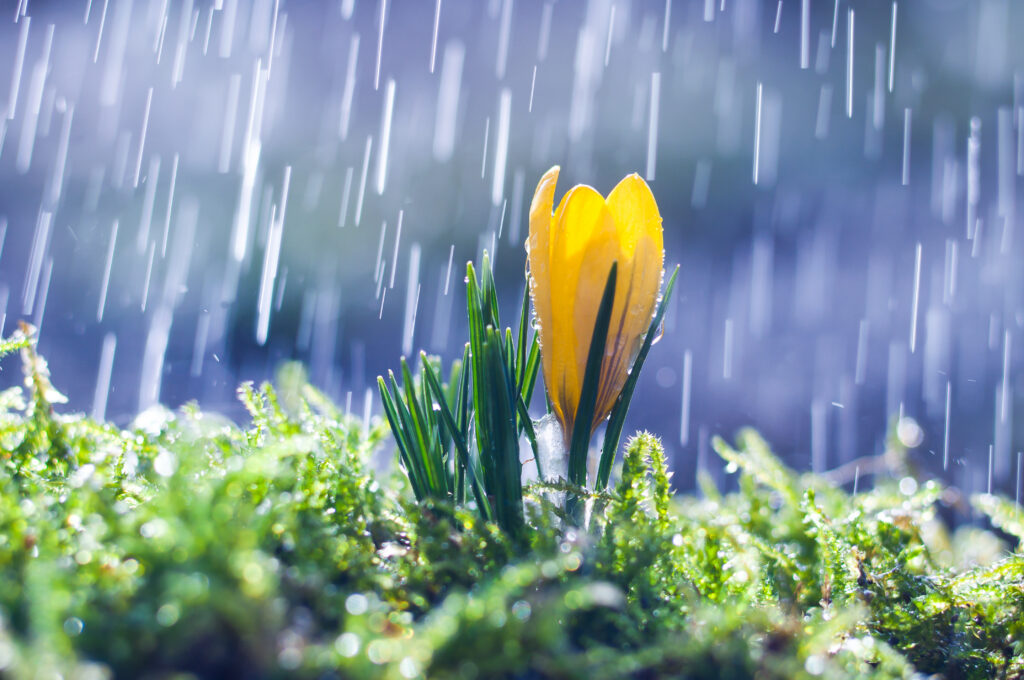
Spring rains are often lighter and more persistent than summer thunderstorms. A gentle spring shower that lasts hours provides sustained release of aromatic compounds without the violence of a heavy downpour.
Summer thunderstorms dump large amounts of water quickly. The intensity washes away surface compounds rapidly and dilutes them, sometimes creating less noticeable smell despite potentially more compound release. The heavy rain also makes it difficult to be outside experiencing the smell without getting drenched.
Gentle spring rains allow you to be outside, experiencing the smell directly as it develops over extended periods. This prolonged exposure creates stronger smell memory associations with spring rain.
The Absence of Ozone
Spring rains often come from stratiform cloud systems—layered clouds producing steady precipitation without lightning. These systems don’t produce ozone, so spring rain smell typically lacks the sharp, metallic ozone component.
Summer thunderstorms, by contrast, frequently include lightning that creates ozone. The addition of ozone to the mix changes the smell profile, adding a “charged air” quality that differs from pure petrichor.
Some people prefer the ozone-enhanced smell of summer thunderstorms; others find the earthier, gentler spring rain smell more pleasant. The preference is subjective, but the difference is objectively real due to ozone’s presence or absence.
Snowmelt Influences Spring Rain Chemistry
In regions with significant winter snow, spring rains often occur while snow is still melting or shortly after snowmelt completes. The meltwater has different chemistry than normal soil moisture because:
- It contains compounds deposited from atmosphere during winter
- It’s been in contact with winter-killed vegetation
- It mobilizes nutrients that accumulated under the snowpack
- The sudden influx of water reactivates dormant bacteria rapidly
This creates a unique soil chemistry situation where spring rain interacts with recently melted snow, freshly activated bacteria, and emerging vegetation—a combination that doesn’t exist in other seasons.
Regional and Climate Differences
Spring rain smells vary by region based on local soil types, vegetation, and climate patterns:
Arid regions where spring brings the first moisture after dry winter might experience particularly intense petrichor as accumulated plant oils and long-dormant bacteria suddenly activate.
Humid regions with winter rain rather than snow might not show as dramatic a spring rain smell difference because soil bacteria never fully dormant.
Agricultural areas where fields are being worked in spring add soil disturbance odors to the rain smell mix—freshly turned earth releases different compounds than undisturbed soil.
Forested areas get contributions from tree bark, decaying wood, and forest floor fungi that add complexity to spring rain smell.
Memory and Association
Part of spring rain’s distinctive quality comes from association. Spring rain is tied to specific memories—the end of winter, the start of growing season, outdoor activities resuming, seasonal mood changes as days lengthen. These associations influence how we perceive and remember the smell.
First experiences with spring rain each year may seem more intense or pleasant simply because they’re novel after months without. The brain’s olfactory system is closely linked to memory and emotion, so the same chemical compounds might be perceived differently based on context and expectation.
Summer Rain by Comparison
Summer rain smells different for several reasons:
- Hotter temperatures create more intense initial smell bursts
- Thunderstorms add ozone to the mix
- Summer soil may be drier, reducing bacterial activity between rains
- Mature vegetation produces different compounds than spring growth
- Accumulated dust, pollen, and debris contribute additional smells
- Humidity often remains high after summer rain, affecting smell perception
The result is that summer rain smell is often described as more intense, more “charged,” and less purely earthy than spring rain.
The Pleasure of Petrichor
Regardless of season, most people find rain smell pleasant. Scientists have proposed evolutionary explanations: rain meant water availability, plant growth, and relief from drought for our ancestors. Positive responses to petrichor might be deeply ingrained.
Spring rain’s particular quality—earthy, fresh, promising growth—aligns especially well with these positive associations. It smells like renewal and possibility, like nature waking after winter’s dormancy.
Appreciating Subtle Seasonal Differences
The next time spring rain falls, step outside and pay attention to the smell. Notice the earthy geosmin, the fresh plant scents, the absence of ozone’s sharp edge, the moderate intensity that neither overwhelms nor disappears too quickly.
Compare that memory to summer thunderstorm smell later in the season—the ozone addition, the intensity of hot pavement being doused, the complexity of mature vegetation. Or autumn rain’s smell, tinged with decomposing leaves and plants preparing for winter.
Rain always brings petrichor, but the specific character of that smell shifts with seasons, reflecting changes in soil bacteria, plant chemistry, temperature, and the type of rain system itself. Spring rain’s distinctive scent is one of the subtle markers of seasonal transition—a smell that tells you winter is truly over and growth season has begun, encoded in chemical compounds too subtle to see but impossible to ignore when carried on the first warm raindrops of the year.