The Winter Skin and Throat Problem
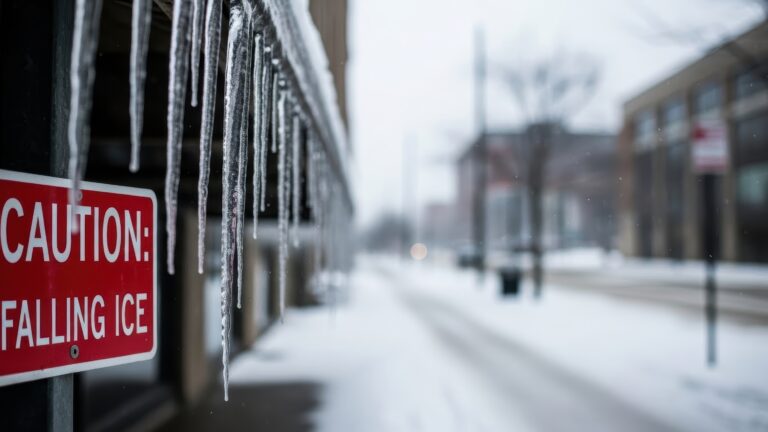
As temperatures drop in winter, many people notice their skin becoming dry and flaky, their lips chapping, and their throats feeling scratchy—especially indoors. Static electricity makes your hair stand on end and gives you shocks when you touch metal. You might wake up with a dry mouth or bloody nose. Everything feels parched, as if all the moisture has been sucked out of the air.
The strange thing is, winter air isn’t always actually drier than summer air when you measure the total amount of water vapor it contains. Sometimes winter air holds plenty of moisture—yet it still feels bone-dry. Understanding why requires looking at how temperature affects humidity and how our bodies perceive and respond to moisture in the air.
Two Ways to Measure Humidity
Humidity can be measured in two fundamentally different ways, and the confusion between them explains much of winter’s dryness problem.
Absolute humidity (or specific humidity) measures the actual amount of water vapor in the air, typically expressed as grams of water per cubic meter of air. This is the real, physical quantity of moisture present.
Relative humidity measures how much water vapor the air contains compared to the maximum amount it could hold at that temperature. It’s expressed as a percentage. Air at 50% relative humidity contains half the water vapor it could potentially hold at that specific temperature.
Here’s the crucial point: warm air can hold much more water vapor than cold air. At 86°F, air can hold about 30 grams of water per cubic meter. At 32°F, it can only hold about 5 grams per cubic meter. The temperature of the air determines its capacity for moisture, and cold air has dramatically lower capacity.
Winter Air Has Low Absolute Humidity
When air cools, its capacity to hold water vapor decreases. If the amount of water vapor stays constant while temperature drops, the relative humidity increases—which is why you get dew or frost on cold surfaces as the air reaches 100% relative humidity and can’t hold all its moisture.
But in winter, especially during cold snaps, the outdoor air often has very low absolute humidity. Cold air simply can’t hold much water vapor even when saturated. Arctic air masses pushing down from Canada in winter might have high relative humidity (70-80%) but very low absolute humidity because the air is so cold.
When this cold air enters your home and gets heated to room temperature, its capacity to hold moisture increases dramatically, but the actual amount of water vapor in it hasn’t changed. The result is indoor air with very low relative humidity—often 10-20%, which is drier than many deserts.
Indoor Heating Makes Everything Worse
Your furnace or heating system warms the air in your home but doesn’t add moisture. When you heat cold outdoor air from 20°F to 70°F, you’re increasing its capacity to hold water vapor by a factor of six or more, but the actual water content stays the same. This causes relative humidity to plummet.
The same amount of water vapor that gave you 80% relative humidity outdoors at 20°F might only give you 12% relative humidity indoors at 70°F. Your home hasn’t lost moisture—the heated air is just capable of holding so much more that what’s present seems inadequate.
This is why winter indoor air feels so dry. The air is literally pulling moisture from every available source: your skin, your throat, wood furniture, houseplants, even the moisture in your breath. Everything dries out as the thirsty air attempts to reach equilibrium.
Your Body Responds to Relative Humidity
Your body’s moisture loss and comfort level respond primarily to relative humidity rather than absolute humidity. When relative humidity is low, water evaporates quickly from your skin and respiratory system.
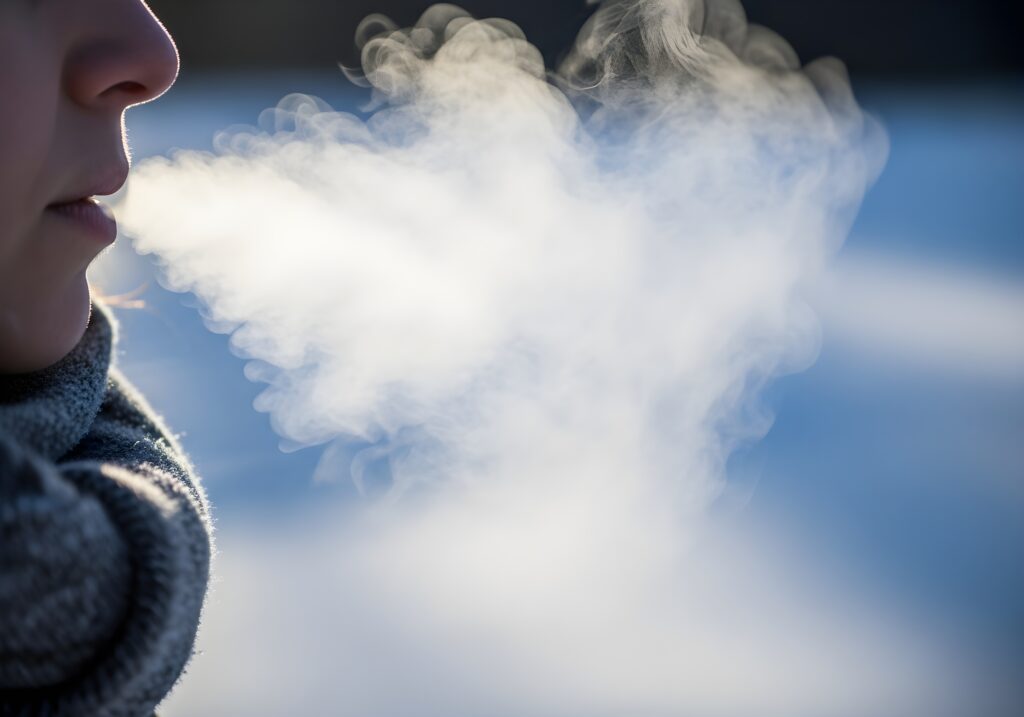
Every breath you take in dry winter air must be humidified by your nose and throat before it reaches your lungs. Your respiratory system adds moisture to each breath, which is then exhaled and lost. In very dry air, this process can remove significant amounts of water from your body and leave your nasal passages and throat feeling raw and irritated.
Your skin continuously loses water through a process called transepidermal water loss. In low humidity, this water evaporates quickly, drying out the outer layers of skin and causing the tightness, flaking, and cracking many people experience in winter. Normally, the moisture evaporating from your skin helps maintain a humid microenvironment next to your skin, but in very dry air, this moisture is whisked away immediately.
Low humidity also makes your eyes feel dry because tears evaporate more quickly. People who wear contact lenses often find them especially uncomfortable in winter for this reason.
Static Electricity Is a Humidity Problem
Static electricity becomes a winter nuisance for the same reason everything else feels dry. Static charges build up through friction—when you walk across a carpet, electrons transfer from the carpet to your body, giving you a negative charge.
In humid conditions, the moisture in the air provides a path for these charges to dissipate slowly and harmlessly. Water molecules in humid air are weakly conductive, allowing static charges to leak away gradually as they form.
In dry winter air, there’s no moisture to conduct the charge away, so it builds up on your body until you touch something conductive like a metal doorknob. Then all the stored charge rushes through in an instant, creating the spark and shock you feel. The same physics explains why your hair stands on end when you remove a winter hat—each strand holds a charge and repels the other charged strands.
Why Humidity Feels Different at Different Temperatures
Here’s an interesting twist: 50% humidity feels comfortable and slightly moist in winter indoor temperatures (68-72°F), but that same 50% humidity feels much more oppressive in summer heat (85-90°F). This isn’t psychological—it’s physics.
At higher temperatures, 50% relative humidity represents a much larger absolute amount of water vapor in the air. At 85°F and 50% humidity, the air contains roughly three times more actual water vapor than air at 68°F and 50% humidity.
Additionally, your body cools itself through evaporation, and high humidity impairs evaporation. In summer heat, you need evaporative cooling to stay comfortable, so even moderate humidity feels oppressive because it prevents sweat from evaporating efficiently. In winter, you’re not trying to cool down through evaporation, so moderate humidity feels pleasant rather than stifling.
The Winter Outdoors Can Be Humid—Sometimes
Not all winter weather is dry. When temperatures hover near or above freezing, air can hold more moisture, and storms can bring humid conditions even in winter. Fog, freezing rain, and wet snow all occur when air has high moisture content.
However, people typically don’t notice this outdoor humidity because they’re bundled up in coats, hats, and scarves that block direct air contact with their skin. And when this relatively humid but cold air comes indoors and warms up, it still becomes dry in relative terms even though it started with more absolute moisture than the bitter cold air of a January arctic outbreak.
The coldest winter weather is almost always accompanied by low absolute humidity. This is why the most brutal cold snaps—when temperatures plunge below zero—also tend to be the times when indoor air becomes painfully dry.
Solutions for Winter Dryness
Understanding the science behind winter dryness points to effective solutions. The goal is to add moisture to your indoor air to raise relative humidity to comfortable levels—typically 30-50%.
Humidifiers add water vapor directly to indoor air. Whole-house humidifiers integrate with your HVAC system, while portable units work for individual rooms. Both can make a dramatic difference in comfort and reduce the problems associated with dry air.
Even without a humidifier, you can increase indoor humidity by leaving bathroom doors open after showers, air-drying laundry indoors, keeping pots of water on radiators, or having houseplants that release moisture through transpiration.
Be cautious about over-humidifying, though. Excessive indoor humidity in winter can cause condensation on cold windows, which can lead to mold growth and damage to window frames. The colder it is outside, the lower you should keep indoor humidity to avoid condensation problems.
For personal comfort, moisturize your skin regularly, use a humidifier in your bedroom at night, drink plenty of water to replace moisture lost through respiration, and consider using saline nasal spray if your nasal passages become uncomfortably dry.
The Physics Won’t Change, But You Can Adapt
Winter air feels dry because cold air fundamentally can’t hold much moisture, and heating that air indoors makes its low moisture content even more apparent. Understanding this isn’t just trivia—it explains the physical discomfort many people experience during winter months and points toward practical solutions.
The next time you feel a static shock, notice your chapped lips, or see your skin flaking, remember you’re experiencing the direct physical consequences of thermodynamics. Cold air’s limited moisture capacity, combined with indoor heating, creates genuinely dry conditions that affect your comfort and health. The dryness isn’t imaginary, and neither are the solutions. A bit of added humidity can transform winter indoor comfort from barely tolerable to genuinely pleasant.