The Uneven Chill of Cold Weather
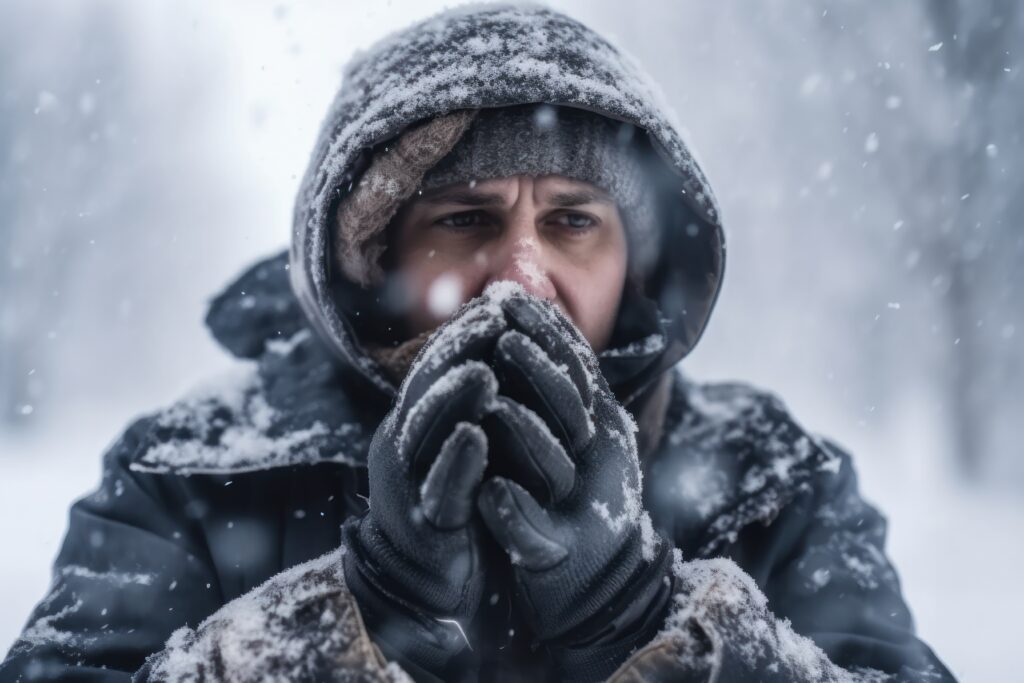
Step outside on a winter day and within minutes, your fingers and toes start feeling numb and cold—even when the rest of your body still feels relatively comfortable. Your nose gets cold, your ears ache, but your torso remains warm beneath your coat. This uneven distribution of cold isn’t random or a sign that your extremities are somehow more vulnerable to temperature. It’s your body making deliberate choices about where to send warm blood and where to restrict it.
Understanding why your fingers and toes get cold first reveals your body’s sophisticated strategy for maintaining core temperature and protecting vital organs. It’s a survival mechanism that prioritizes keeping your brain, heart, and other essential organs functioning—even if that means sacrificing comfort in your extremities.
Your Body Has a Temperature Hierarchy
Your body doesn’t treat all tissues equally when it comes to temperature regulation. Core body temperature—the temperature of your vital organs in your chest and abdomen—must stay within a very narrow range around 98.6°F (37°C) for your body to function properly. Even a few degrees of deviation can impair organ function, and significant drops can be life-threatening.
Your extremities—fingers, toes, ears, nose—can tolerate much wider temperature variations without damage, at least temporarily. Your fingers can function reasonably well at temperatures down to around 60-65°F, and tissue damage doesn’t typically occur until temperatures drop well below freezing for extended periods.
This difference in temperature tolerance creates a hierarchy: when your body detects cold, it prioritizes maintaining core temperature over extremity temperature. Your body essentially decides that cold fingers are an acceptable trade-off for a warm heart and brain.
Vasoconstriction: Your Body’s Heat Conservation Strategy
When sensors in your skin detect cold temperatures, your nervous system triggers a process called vasoconstriction—the narrowing of blood vessels, particularly in your extremities. Small muscles in the walls of blood vessels contract, reducing the diameter of vessels carrying blood to your hands, feet, ears, and other peripheral areas.
Blood carries heat throughout your body, generated primarily by your metabolic processes in organs like your liver and muscles. By restricting blood flow to extremities, your body keeps this warm blood circulating in your core where it’s most needed. Less blood reaches your fingers and toes, which means less heat is delivered to these areas, and they cool down.
Vasoconstriction serves a second purpose: it reduces heat loss. Your extremities—especially your fingers and toes—have a high surface-area-to-volume ratio. This means they have a lot of skin surface through which heat can escape relative to their mass. By sending less warm blood to these areas, your body prevents that blood from being cooled as it passes through the cold extremities and then returning to cool your core.
Anatomy Makes Extremities Vulnerable
Beyond your body’s deliberate restriction of blood flow, several anatomical factors make your fingers and toes particularly susceptible to cold.
Your extremities are far from your core heat sources—your organs and large muscle groups that generate most of your body heat. Heat has to travel through relatively long, thin limbs to reach your fingers and toes, and it’s lost along the way through your skin.
Fingers and toes are thin and have little insulation. Unlike your torso, which has layers of muscle, fat, and internal organs that generate and retain heat, your fingers consist mostly of bone, tendons, and a thin layer of tissue covered by skin. There’s minimal fat in fingers and toes to provide insulation, making them poor at retaining whatever heat does reach them.
The blood vessels in your extremities are also smaller and more numerous than in your core. This creates a large surface area for heat exchange between your blood and the surrounding cold environment. As blood travels through tiny capillaries in your fingertips, it can lose significant heat to the cold air around you.
Your Nose and Ears Face the Same Problem
Your nose and ears get cold quickly for similar reasons. They stick out from your body, exposing a large surface area to cold air with minimal volume to retain heat. They have minimal fat insulation and limited blood flow compared to your core.
Ears are particularly vulnerable because they’re thin flaps of cartilage covered by skin with almost no insulating tissue. Your nose, extending from your face, is exposed to cold air with every breath, and breathing itself cools the tissues of your nose as cold air passes through.
Like fingers and toes, these facial extremities aren’t essential for immediate survival in the way your heart and brain are, so your body allows them to cool in exchange for preserving core temperature.
Shivering: The Secondary Defense
When vasoconstriction isn’t enough to maintain your core temperature—when you’re losing heat faster than your normal metabolism can replace it—your body activates shivering. This is involuntary muscle contractions that generate heat through increased metabolic activity.
Shivering can increase your heat production by several times your resting rate, but it’s inefficient and exhausting. It’s your body’s way of saying the situation is serious—vasoconstriction and reduced activity aren’t sufficient, so emergency heat production is needed.
Interestingly, shivering often begins in your core and large muscle groups rather than your extremities. Your body is generating heat where it’s most needed and trusting that some of this heat will eventually make its way to your cold fingers and toes, though that’s a lower priority.
Why Some People Have Colder Extremities Than Others
Individual variation in cold extremities is common and influenced by several factors. Women often experience colder hands and feet than men, partly due to differences in body composition—women generally have less muscle mass relative to body weight, and muscle generates significant heat.
Hormonal differences also play a role. Estrogen can make blood vessels more sensitive to temperature changes, potentially leading to more aggressive vasoconstriction in cold conditions. This is why some women experience extremely cold hands and feet even in mildly cool conditions.
Body fat distribution matters too. Fat provides insulation, so people with very low body fat may experience colder extremities more readily. However, fat distribution also affects this—subcutaneous fat (fat just under the skin) provides better insulation than deeper fat stores.
Age influences cold sensitivity as well. Older adults often have reduced circulation and may experience colder extremities more quickly than younger people. Children, with their higher surface-area-to-volume ratio, can also lose heat from extremities rapidly.
Raynaud’s Phenomenon: When the Response Is Excessive
Some people experience an exaggerated version of normal vasoconstriction called Raynaud’s phenomenon. In this condition, blood vessels in the fingers and toes constrict excessively in response to cold or stress, sometimes cutting off blood flow almost entirely.
During a Raynaud’s episode, affected fingers or toes may turn white or blue, feel numb and cold, and then turn red and throb as blood flow returns. While uncomfortable, primary Raynaud’s (not associated with another condition) is generally harmless, though it can significantly impact quality of life in cold climates.
Raynaud’s demonstrates that the body’s cold response exists on a spectrum, and for some people, the protective vasoconstriction mechanism goes too far, creating discomfort beyond what most people experience.
Strategies to Keep Extremities Warmer
Understanding why your fingers and toes get cold suggests effective strategies for keeping them warm. The key is maintaining your core temperature, which reduces your body’s need for aggressive vasoconstriction.
Dress warmly overall, not just your extremities. A warm torso tells your body that core temperature is secure, so it’s less likely to restrict blood flow to extremities. This is why wearing a hat—keeping your head warm—can actually help keep your fingers warmer by reducing overall heat loss.
Keep your core active. Light physical activity generates heat in your muscles and keeps warm blood circulating. Even simple movements like walking or gentle exercise can maintain better blood flow to extremities than standing still.
Wear proper gloves and insulated footwear, but recognize that insulation only retains the heat that’s already there. If vasoconstriction has severely limited blood flow to your fingers, even the best gloves won’t magically create warmth—they’ll just slow the rate of cooling.
Avoid tight clothing and footwear that can restrict blood flow. Tight boots or gloves can impair circulation even beyond what vasoconstriction causes, making fingers and toes colder.
Stay hydrated and well-fed. Dehydration reduces blood volume, potentially impairing circulation. Your body also needs fuel to generate heat—being hungry on a cold day means less metabolic heat production.
When Cold Extremities Signal a Problem
Occasionally, chronically cold hands and feet can indicate underlying health issues beyond normal physiology. Poor circulation from cardiovascular disease, diabetes affecting blood vessels and nerves, thyroid problems affecting metabolism, or anemia reducing oxygen-carrying capacity can all cause persistently cold extremities.
If your fingers or toes are always cold even in warm conditions, turn white or blue regularly, or if you develop pain, numbness, or tingling that doesn’t resolve with warming, consult a healthcare provider. While cold extremities are usually just an inconvenient response to cold weather, persistent or severe symptoms warrant medical evaluation.
Your Body Making Tough Choices
The next time your fingers go numb while waiting for the bus or your toes ache from cold during a winter walk, remember that your body isn’t failing you—it’s making a calculated decision. By allowing your extremities to cool, your body protects what matters most for immediate survival: your core organs, your brain, and your ability to maintain the fundamental metabolic processes that keep you alive.
Cold fingers are uncomfortable, but they’re also evidence of a sophisticated thermoregulatory system that’s been refined over millions of years of human evolution. Your body knows what it’s doing, even if the result isn’t always comfortable. The trade-off—warm organs and cold fingers rather than moderately cool everything—is the price of survival in environments our ancestors encountered long before heated buildings and insulated gloves existed.