When Everyone Seems to Be Sneezing at Once
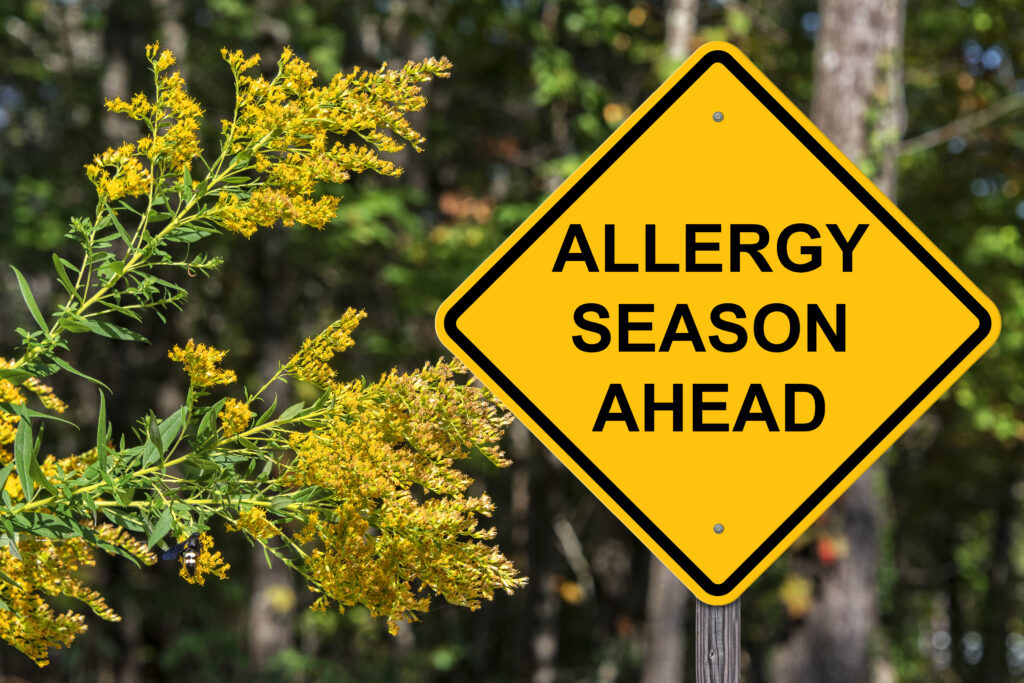
Some springs bring mild allergy symptoms that are manageable with occasional antihistamines. Other years feel like a pollen apocalypse—eyes itching constantly, noses running, sneezing fits lasting minutes, and allergy medication barely making a dent. These dramatic year-to-year differences aren’t imagination or declining tolerance. Pollen levels genuinely vary enormously between years, and weather conditions are the primary driver of whether you’ll face a mild or miserable allergy season.
Understanding how weather affects pollen production, dispersal, and concentration reveals why some springs are so much worse than others and helps explain why climate change may be making allergy seasons progressively longer and more intense.
Winter Weather Sets the Stage
The severity of spring allergy season is partly determined by what happened during the previous winter. Trees that produce spring pollen—oak, birch, maple, cedar, elm—need specific winter conditions to set heavy flowering:
Adequate winter chilling is required for many trees to break dormancy properly and produce abundant flowers and pollen. Trees track accumulated cold hours, and years with sufficient chilling tend to produce heavier flowering.
Late winter moisture helps trees mobilize resources for flower and pollen production. Dry winters can limit the energy available for reproduction, reducing pollen output.
Absence of late freezes protects developing flower buds. Years when hard freezes occur after buds have swollen can damage or kill flowers, dramatically reducing pollen even if other conditions favor heavy production.
A winter with good snow cover, adequate cold but not extreme cold, and sufficient moisture followed by a gradual spring warm-up creates ideal conditions for heavy tree pollen production.
Spring Temperature Patterns Matter Enormously
Once trees are ready to flower, temperature patterns during spring determine the timing, intensity, and duration of pollen release:
Sudden warm spells cause trees to release pollen explosively over short periods. When temperatures jump from 40s to 70s rapidly, multiple tree species may pollinate simultaneously instead of sequentially, creating pollen “bombs” where levels spike to extreme highs.
Gradual warming spreads pollen season over longer periods but at lower peak concentrations. Sequential flowering of different species prevents overlap and reduces peak pollen counts even though total pollen may be similar.
Temperature fluctuations can extend allergy season by causing some trees to release pollen in waves rather than all at once, or by delaying some species while advancing others, creating longer overall exposure.
The worst allergy years often feature rapid spring warm-ups that cause many tree species to pollinate simultaneously, overwhelming the atmosphere with pollen from multiple sources at once.
Rain Is Both Friend and Foe
Precipitation’s effect on allergies is complex and timing-dependent:
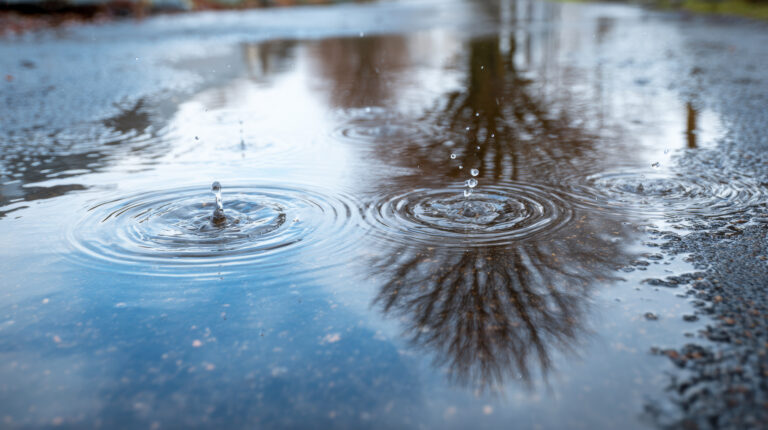
Rain during peak pollen release washes pollen from the air and prevents it from becoming airborne, providing temporary relief. Heavy rain can clear the atmosphere within hours.
Rain before pollen season promotes plant growth and vigor, potentially increasing pollen production. Well-watered plants are healthier and produce more pollen.
Lack of rain during pollen season allows pollen to remain airborne longer, accumulate on surfaces, and be re-suspended by wind repeatedly. Dry springs often produce worse allergies because nothing clears the air.
Thunderstorms create unique problems through a phenomenon called “thunderstorm asthma.” Strong updrafts and downdrafts can break pollen grains into smaller fragments that penetrate deeper into lungs, causing severe reactions even in people with mild allergies. Rain particles can also rupture pollen grains, releasing allergenic proteins.
The ideal for allergy sufferers would be frequent light rain that clears pollen without creating thunderstorm conditions, but nature rarely cooperates with this preference.
Wind Patterns Determine Exposure
Pollen is light and easily transported by wind. Wind patterns during pollen season dramatically affect who experiences symptoms and how severe they are:
Calm conditions allow pollen to settle near source trees, creating locally high concentrations but limiting dispersal. People living near heavily-pollinating trees suffer more, while those farther away experience relief.
Windy conditions spread pollen over large areas, creating more uniform but potentially lower-concentration exposure across regions. Spring’s notorious windiness means pollen travels for miles, affecting even areas without local pollen sources.
Wind direction matters for individuals. If prevailing winds blow from areas with heavy tree pollen toward your location, you’ll experience worse allergies than if winds blow from areas with less vegetation.
Stagnant air masses that persist for days allow pollen to accumulate without dispersal or removal, building to very high concentrations until weather patterns shift.
Years with persistent strong winds from pollen-rich areas create worse regional allergies, while years with variable winds or frequent rain provide more relief.
Climate Change Is Extending and Intensifying Seasons
Long-term trends show allergy seasons becoming longer and more severe:
Earlier springs mean pollen seasons start weeks earlier than historical averages. Trees respond to warming temperatures by flowering earlier, extending the front end of allergy season.
Longer growing seasons allow plants more time to grow and produce more pollen. Extended warm periods mean trees have more resources available for reproduction.
Higher CO₂ levels directly increase pollen production in many plant species. Experiments show that elevated CO₂ causes plants to produce significantly more pollen per flower.
Warmer temperatures overall allow some allergenic plants to expand their range northward into areas where they previously couldn’t survive, exposing new populations to allergens.
Studies document that pollen seasons have lengthened by 10-20 days in many regions over the past few decades, and total pollen production has increased by 20-40%. These aren’t small changes—they represent fundamental shifts in allergy exposure.
Different Species Respond to Different Conditions
Not all allergenic plants respond identically to weather:
Tree pollen (oak, birch, maple, cedar) dominates spring and responds most to winter chilling and spring temperature patterns.
Grass pollen peaks in late spring/early summer and responds to moisture, temperature, and mowing patterns.
Ragweed and other weeds dominate late summer/fall and respond to summer rainfall and temperature.
A year with weather favoring one type might not favor others. You might have a mild tree pollen season but terrible grass pollen, or vice versa, depending on specific weather patterns affecting each plant’s reproduction timing.
This means predicting overall allergy severity requires understanding which plants dominate your region and what weather conditions they experienced during their critical development periods.
Personal Factors Interact With Environmental Ones
Even in a high-pollen year, individual allergy severity varies based on:
Which specific allergens you’re sensitive to. If you’re allergic to oak but not birch, a year with heavy birch pollen won’t affect you as much as others.
Your exposure patterns. People spending more time outdoors during peak pollen times experience worse symptoms regardless of how bad the year is overall.
Your overall health and immune status. Stress, poor sleep, other illnesses, and immune system factors all affect how severely you react to the same pollen exposure.
Medication use and timing. Starting allergy medications before symptoms begin provides better control than waiting until you’re already suffering.
This is why even in “bad” allergy years, some people report mild symptoms while others are miserable—individual sensitivity and behavior matter as much as environmental pollen levels.
Tracking and Predicting Allergy Seasons
Pollen monitoring networks track daily counts and forecasts, helping allergy sufferers plan:
Pollen.com and weather apps provide daily forecasts based on current pollen monitoring and weather predictions.
Real-time counts from monitoring stations give objective data about current exposure levels.
Forecasting models use weather predictions to estimate upcoming pollen levels, though accuracy decreases beyond a few days.
Phenology studies track when different plants begin flowering in spring, providing early warning of season onset.
For those with severe allergies, tracking these resources and adjusting medication and outdoor activity based on forecasts can significantly improve quality of life during high-pollen periods.
A Perfect Storm of Bad Conditions
The worst allergy years combine multiple unfavorable factors:
A winter with good chilling but no late freezes, ensuring heavy flower bud survival. A rapid spring warm-up causing simultaneous pollination across many species. Dry conditions during peak pollen allowing accumulation without rain clearing. Persistent winds from pollen-rich areas spreading allergens widely. And increasingly, climate change effects extending season length and increasing total pollen production.
When these factors align, you get the springs that everyone remembers—when it seems like the entire population is sneezing, pharmacies run low on antihistamines, and even people without typical allergies find themselves affected.
Understanding Doesn’t Prevent, But Helps Prepare
Knowing that weather drives year-to-year allergy variation helps set expectations and plan accordingly. When forecasts predict conditions favoring heavy pollen, starting medications early, limiting outdoor time during peak hours (typically morning), and using air filtration indoors can help manage symptoms better than waiting until you’re already suffering.
And while understanding the meteorological factors behind bad allergy years won’t make the pollen go away, it at least explains why some springs feel so much worse than others—it’s not your declining tolerance or imagination, it’s genuine weather-driven differences in how much pollen plants produce and how effectively it gets dispersed into the air you breathe.