Understanding Interior Frost Formation and How to Prevent It
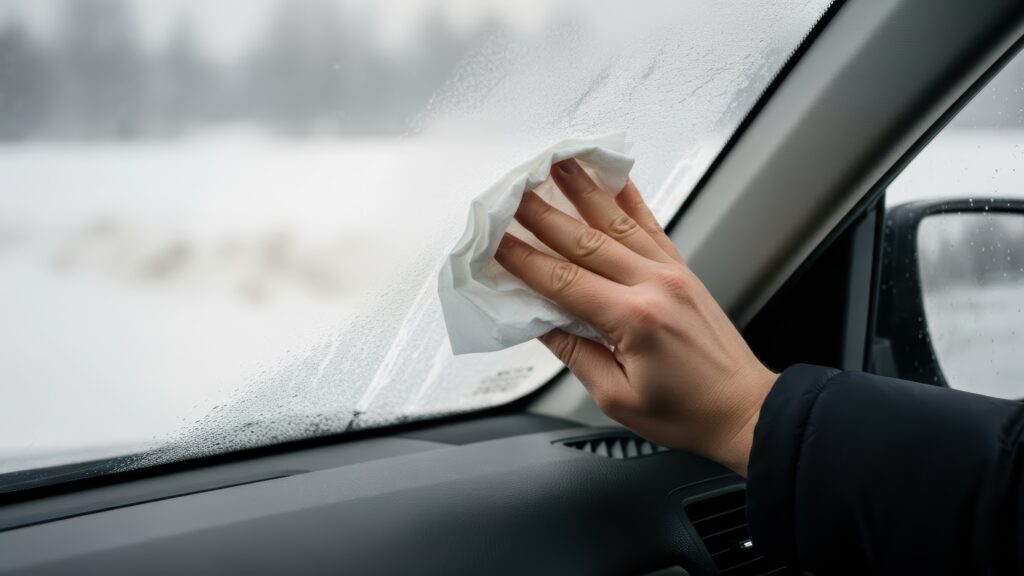
You wake up on a cold winter morning, head to your car, and discover not just frost on the outside of the windows—expected and normal—but thick frost coating the inside surfaces as well. This interior frost is frustrating because it can’t be cleared with wipers, takes longer to defrost, and indicates a problem you can actually prevent. Unlike exterior frost which forms naturally from atmospheric moisture, interior frost results from moisture sources inside your vehicle combining with cold glass surfaces. Understanding why car windows frost on the inside reveals principles about humidity, dew point, condensation, and the specific conditions that allow water vapor from various sources to freeze on interior glass—and more importantly, what you can do to prevent it.
Moisture Sources Inside Your Vehicle
Interior frost requires a moisture source, and cars have many:
Your breath is the most obvious source. Every exhalation adds moisture to the cabin air—a single person can add several ounces of water vapor to car interior air during a typical commute.
Wet clothing, boots, and shoes from snow or rain bring substantial moisture into the car that evaporates into cabin air as you drive with the heater running.
Snow on floor mats and carpets melts and evaporates, humidifying interior air.
Wet umbrellas, bags, or gear contribute moisture.
Damp upholstery from previous condensation, spills, or leaks adds moisture that re-evaporates into cabin air.
Even dry occupants release moisture through respiration and perspiration—you’re constantly adding water vapor to the air simply by being in the vehicle.
Pets contribute moisture through breathing and wet fur or paws.
Leaking seals around doors, windows, or sunroofs can allow rain or snow melt to enter, creating hidden moisture reservoirs in insulation or upholstery that slowly evaporate.
All these sources increase the humidity inside your car well above the winter exterior humidity levels, setting up conditions for interior frost.
Cold Glass Provides the Freezing Surface
Moisture in the air isn’t enough—you need a cold surface:
Car windows cool rapidly to near-outdoor temperature because glass is a poor insulator and windows are thin with high surface area.
On cold winter nights, windows can drop to well below freezing—10°F, 0°F, or colder—while some residual warmth remains in the car’s interior from the previous day or from your garage.
The temperature difference between the warm, humid interior air and the ice-cold window surface creates ideal conditions for condensation.
When humid interior air contacts the cold window, moisture condenses directly onto the glass. If the glass is below freezing, the moisture freezes immediately, creating frost.
The process is the same as condensation on a cold drink glass in summer, except the “cold drink” is your frozen window and the condensing moisture immediately freezes rather than running off as liquid.
The Overnight Frost Formation Process
Here’s what happens after you park for the night:
You leave the car with elevated interior humidity from your breath, wet shoes, and heater use during driving.
Windows rapidly cool to outdoor temperature as the vehicle sits overnight in freezing conditions.
Interior air cools more slowly than windows, remaining warmer for some time and retaining the moisture you added.
As the warming air contacts increasingly cold windows, moisture condenses and freezes, building frost layers on the interior glass.
The process continues throughout the night as interior temperature gradually equilibrates with outdoors, but the frost is already established on the windows.
By morning, you have thick frost on the inside of all windows, sometimes with beautiful crystalline patterns that would be lovely if they weren’t blocking your view.
Why Some Cars Frost More Than Others
Interior frost severity varies between vehicles:
Newer, tighter vehicles with better seals retain moisture more effectively—a double-edged sword. Good seals prevent drafts but also prevent moisture escape.
Older vehicles with poorer seals might actually have less interior frost because moisture leaks out as fast as it enters.
Fabric interiors (cloth seats, carpeted floors) absorb and hold more moisture than leather or vinyl, creating larger moisture reservoirs that take longer to dry.
Vehicles stored in garages may have less interior frost because:
- The garage provides some temperature moderation
- Windows don’t get as cold as they would outdoors
- If the garage is attached and somewhat heated, interior moisture may remain as liquid condensation rather than freezing
Cars with multiple occupants the previous day have more moisture from breath and body heat.
Vehicles used for winter sports accumulate more snow and wet gear, creating persistent moisture sources.
Why Breath Creates So Much Moisture
Human respiration adds surprising amounts of water vapor:
Each breath contains water vapor from your lungs and respiratory passages.
Normal respiration can add 200-400 milliliters (roughly 1-2 cups) of water vapor to cabin air during a 30-minute commute—more if you’re talking, breathing heavily, or traveling with passengers.
Cold weather increases the moisture you see because the temperature difference between your warm breath and cold cabin air makes the water vapor more visible and more likely to condense immediately.
This explains why windshields fog quickly with passengers in the car—each person is a moisture source, and the cumulative effect from multiple people rapidly overwhelms the defrost system’s ability to remove moisture.
Temperature and Dew Point Relationship
The physics of condensation and frost involve dew point:
Dew point is the temperature at which air becomes saturated and moisture begins condensing.
If interior air has high humidity from your activities, its dew point is relatively high—perhaps 40°F or 50°F.
When this humid air contacts a window surface at 15°F, the temperature drop is far more than needed to reach the dew point, causing rapid moisture condensation.
The moisture doesn’t remain as liquid because the surface is below freezing—it immediately freezes into frost.
The greater the temperature difference between interior air dew point and window temperature, the more aggressively frost forms.
This is why interior frost is worse after you’ve been in the car with the heater running and windows closed—you’ve increased interior humidity and elevated the dew point, while parking in the cold ensures windows will drop well below freezing.
Preventing Interior Frost
You can largely prevent interior frost with proper practices:
Crack windows slightly (if security permits) when parking overnight. This allows humid interior air to exchange with dry exterior air, preventing moisture buildup.
Remove snow from shoes and clothing before entering the vehicle. Shake off or brush away as much as possible.
Remove wet floor mats or shake out accumulated snow regularly rather than letting it melt and humidify the interior.
Run the defroster and AC (if available) for a few minutes before arriving at your destination. This dries interior air by removing moisture, reducing what remains when you park.
Moisture absorbers like silica gel packets or commercial car dehumidifiers can help but are most useful in vehicles with ongoing moisture problems from leaks.
Fix any leaks that allow rain or snow melt to enter—door seals, sunroof drains, window seals. Hidden moisture sources create persistent problems.
Avoid leaving damp items in the car overnight—wet coats, umbrellas, sports gear should be removed if possible.
Park in a garage when available, even if unheated. The temperature moderation reduces frost formation.
Use recirculation sparingly while driving. Fresh air mode brings in drier exterior air (winter air is very dry), helping remove moisture. Recirculation traps humidity inside.
Clearing Interior Frost Quickly
When prevention fails and you face interior frost:
Start the engine and immediately turn defroster to maximum heat and fan speed.
Scraping interior frost is less effective than exterior frost because you’re inside the car making it awkward, and you risk scratching glass. Do it gently if necessary.
Don’t use hot water on interior glass (or exterior). Rapid temperature change can crack glass.
Commercial defrost sprays work but are expensive and temporary solutions—they address symptoms, not causes.
Allow extra time for warming. Interior frost takes longer to clear than exterior frost because you must warm the entire interior air mass to prevent immediate re-frosting.
Once cleared, remember to address the moisture source so it doesn’t happen again.
Why Interior Frost Patterns Are Sometimes Beautiful
The crystalline structures of interior frost can be striking:
Slow frost formation overnight allows large, well-organized crystals to grow—creating the fern-like or feathery patterns people sometimes photograph.
The patterns follow the same rules as other ice crystal formation—hexagonal symmetry, branching structures, and environmental sensitivity.
Nucleation sites on the glass (scratches, residues, dust) determine where crystals start growing, creating pattern variations across the window.
If you weren’t trying to drive, interior frost could be appreciated as temporary ice art—but the need to see out the window makes it a frustration rather than a fascination.
The Leak Problem
Persistent interior moisture sometimes indicates water intrusion:
Clogged sunroof drains allow water to back up and enter the interior, creating hidden moisture in headliners and upholstery.
Door seal failures let rain or car wash water seep in.
Windshield seal degradation allows water behind trim or under gaskets.
Floor drain plugs (if present) might be missing or loose, allowing water entry.
These leaks create moisture reservoirs that slowly evaporate into cabin air over days or weeks, causing persistent fogging and frosting that can’t be resolved by ventilation alone.
If interior frost persists despite following prevention measures, suspect water intrusion and inspect for dampness in carpets, under seats, in spare tire wells, and in other hidden areas.
The Climate Control System Role
Your car’s HVAC system affects moisture:
Air conditioning (when available and functional) is the most effective dehumidifier—it cools air below its dew point, condensing moisture which drains outside the vehicle.
Running AC with heat (yes, simultaneously) dehumidifies while warming, providing the fastest defrost and preventing re-fogging.
Many vehicles automatically activate the AC compressor when defroster is selected, even if you don’t manually turn on AC.
Recirculation mode can fog windows rapidly because it traps humid interior air rather than bringing in dry outside air—use fresh air mode when moisture is a problem.
Regular HVAC maintenance—replacing cabin air filters, clearing drain tubes—ensures the system functions effectively.
A Preventable Problem
Unlike exterior frost which you can’t avoid, interior frost is largely preventable through moisture management. Every case of interior frost represents moisture you or someone else introduced to the vehicle that didn’t escape before overnight freezing locked it onto your windows as ice.
Understanding the sources—breath, wet clothing, snow on shoes, damp interiors—and the conditions—cold windows, high interior humidity, overnight temperature drop—allows you to intervene at multiple points. Reducing moisture entry, removing moisture before parking, and allowing moisture to escape overnight through slightly cracked windows prevents the humidity buildup that creates interior frost.
The annoyance of discovering frost-covered windows from the inside—requiring extra defrost time, potentially scratching glass from internal scraping, and revealing that moisture persists in your vehicle—can be avoided with habits that keep interior humidity low. Those few seconds spent knocking snow off boots, shaking out floor mats, or cracking windows before walking away from your parked car prevent the minutes of frustration the next morning when frost obscures your vision from the inside and reminds you that the moisture you brought into your car last night is now frozen on your windows, waiting to be melted and evaporated before you can safely drive anywhere.