The Calendar Isn’t the Right Guide. Here’s What Is.
Every April, the same thing happens in garden centers across the country: tomato seedlings and pepper starts appear on the shelves, warm-season vegetable seeds fill the displays, and gardeners who have been waiting through a long winter buy them and plant them immediately — only to watch them struggle, stall, or die in the weeks that follow. The plants were available. The weather felt warm enough. The calendar said spring. What went wrong?
The answer is almost always the same: the soil wasn’t ready. Air temperature and calendar date are poor guides to planting timing. Soil temperature is the right metric, and it lags behind air temperature by weeks in spring. Understanding what soil temperature controls — and how to measure and read it — transforms spring gardening from a series of expensive guesses into a practice grounded in the actual biology of seeds and roots.
Why Soil Temperature Matters More Than Air Temperature
Seeds germinate and roots grow when the soil is warm enough to support the biological processes involved. Each vegetable species has a minimum soil temperature below which germination either fails entirely or proceeds so slowly that seeds rot in the ground before they sprout. The air temperature above the soil is largely irrelevant to these processes — what matters is the temperature at seed depth, typically two to four inches below the surface.
Soil warms slowly in spring because it has enormous thermal mass compared to air. A sunny 65°F April afternoon warms the air quickly but may raise soil temperature by only a degree or two. Soil that was 38°F in early March might still be only 48°F in mid-April despite weeks of mild temperatures above ground. Meanwhile, nighttime air temperatures can drop into the 30s, chilling the soil surface again and slowing the overall warming trend.
This thermal lag is why the rule of thumb “plant after your last frost date” is only partly useful. The last frost date tells you when freezing air temperatures are unlikely — but it doesn’t tell you whether the soil is warm enough for the plants you want to grow. In many regions, the last average frost date and adequate soil temperature for warm-season crops are separated by two to four weeks.
Soil Temperature Requirements by Crop
Different crops have dramatically different soil temperature requirements, which is why the spring planting season unfolds in distinct waves rather than all at once.
Cool-season crops — lettuce, spinach, peas, radishes, kale, broccoli, and carrots — germinate and grow best in soil temperatures between 40°F and 65°F. These are the crops to plant first in spring, often four to six weeks before the last frost date. They actually prefer cool conditions and will bolt — send up a flower stalk and turn bitter — when summer heat arrives. In mid-April across much of the Midwest and mid-Atlantic, soil temperatures are in the right range for cool-season crops right now.
Warm-season crops — tomatoes, peppers, cucumbers, squash, beans, and corn — need soil temperatures of at least 60°F for reliable germination, and most perform best when soil is 65°F to 70°F. Tomato seedlings transplanted into 50°F soil will sit dormant for weeks, doing essentially nothing while consuming the energy stored in their transplant root ball. The same transplants put into 65°F soil will take off visibly within days. Planting warm-season crops too early doesn’t just risk frost damage — even without a frost, the cold soil stunts them in ways that can affect their productivity for the entire season.
Truly heat-loving crops — sweet potatoes, basil, okra, and melons — want soil temperatures of 65°F to 70°F minimum, and prefer 70°F or higher. These are the last crops of spring to plant, often not until late May across the northern half of the country.
How to Measure Your Soil Temperature
A soil thermometer — an inexpensive probe thermometer available at any garden center — takes the guesswork out of planting timing. Push the probe two to four inches into the soil in the area where you plan to plant, in the morning before the sun has had a chance to warm the surface, and take a reading. This gives you the baseline temperature that seeds and roots will experience through most of the day.
Take readings for several days in a row. A single warm day can create a misleading reading; you want to see the trend. Soil temperature in spring should be rising steadily if warm weather is persisting. A cold snap will set it back.
If you don’t have a soil thermometer, several reliable proxies exist. Weeds germinating vigorously in your garden beds are a reasonable indicator that soil is above 50°F — weed seeds and vegetable seeds operate on similar temperature thresholds. Forsythia blooming in your area has traditionally been used as a signal that soil is warm enough for cool-season crops. Lilac bloom is associated with warm enough conditions for transitioning to warm-season crops in some regions.
Understanding Your Frost Dates
The last frost date for your specific location is the date by which there is historically a 50 percent probability that a freezing temperature will not occur again that spring. This sounds reassuring but contains an important caveat: 50 percent probability means frost after that date is as likely as not, statistically speaking. Many gardeners use the date by which there is only a 10 percent probability of frost — typically two to three weeks later — as a more conservative and reliable guide for frost-sensitive plantings.
Frost dates are local, not regional. A gardener in a low-lying valley may have a last frost date two to three weeks later than someone on a hillside five miles away, because cold air drains downhill and pools in low spots. Urban areas tend to have earlier last frost dates than surrounding rural areas because of the urban heat island effect. Look up your specific zip code’s frost dates rather than relying on regional generalizations.
Late frost events in spring — the kind that follow several weeks of warm weather — are not captured by average frost date statistics. They happen, they can destroy unprotected plantings, and they’re part of the risk calculus every spring gardener manages. Row covers and frost cloth, which can protect plants to several degrees below freezing, are worth keeping on hand through the end of April and into May even after your average last frost date has passed.
The Practical Spring Planting Calendar for Mid-April
For gardeners in the middle third of the country — roughly Zone 5 to Zone 7, which includes most of the Midwest, mid-Atlantic, and upper South — mid-April is the right time for the following:
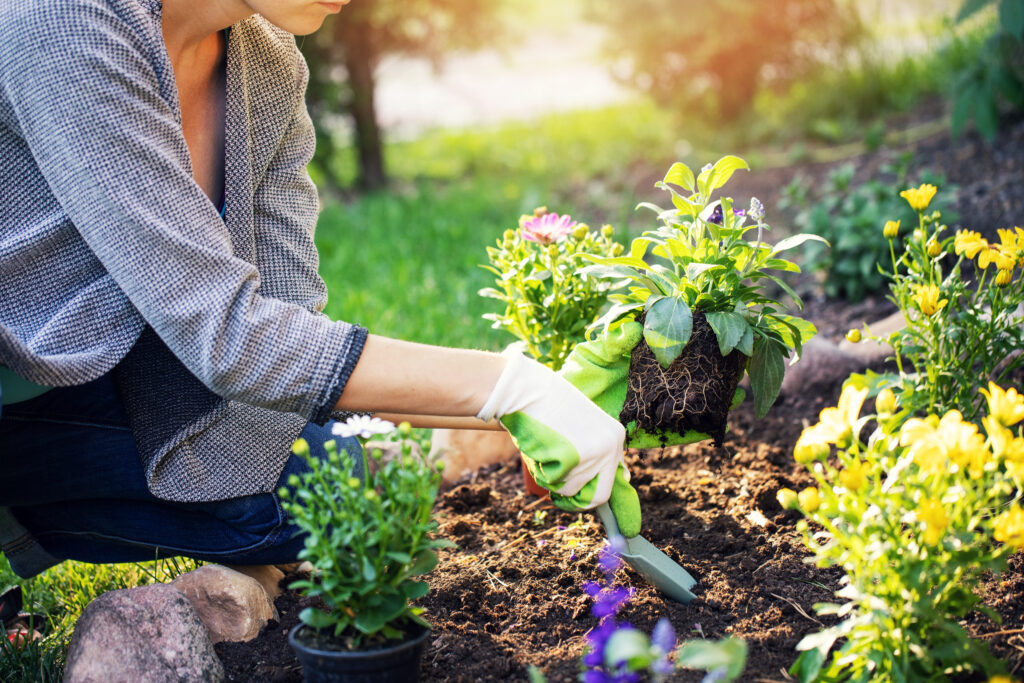
Direct sow or transplant cool-season vegetables now: lettuce, spinach, arugula, peas, radishes, beets, carrots, kale, chard, and broccoli transplants. These can handle light frosts and prefer the cooler conditions of April over the heat that’s coming in June.
Start warm-season seeds indoors if you haven’t already. Tomatoes and peppers need six to eight weeks indoors before transplant, which means starting now targets a late May or early June transplant date — appropriate for most of the Midwest.
Wait on warm-season transplants outdoors. Tomatoes, peppers, cucumbers, squash, and beans should stay inside or in a cold frame until soil temperatures are consistently above 60°F and nighttime lows are reliably above 50°F. For most of Zone 5 and 6, that’s mid to late May at the earliest.
Prepare beds now for later planting. Amending soil with compost, removing weeds, and loosening compaction now means beds are ready when planting time arrives — and you won’t be rushing to prepare ground at the same time you’re trying to get plants in.
Patience Pays Off
The impulse to plant as early as possible is understandable after a long winter. But warm-season plants set out at the right soil temperature — even if that means waiting another three or four weeks — will catch up to and surpass plants set out early in cold soil within two weeks of transplanting. The plants know what they need. Matching the timing to the soil rather than the calendar is simply working with their biology instead of against it.
The garden center tomatoes will still be there in May. The soil will be ready then. So will you.