Your Roof Has Absorbed More Than You Realize
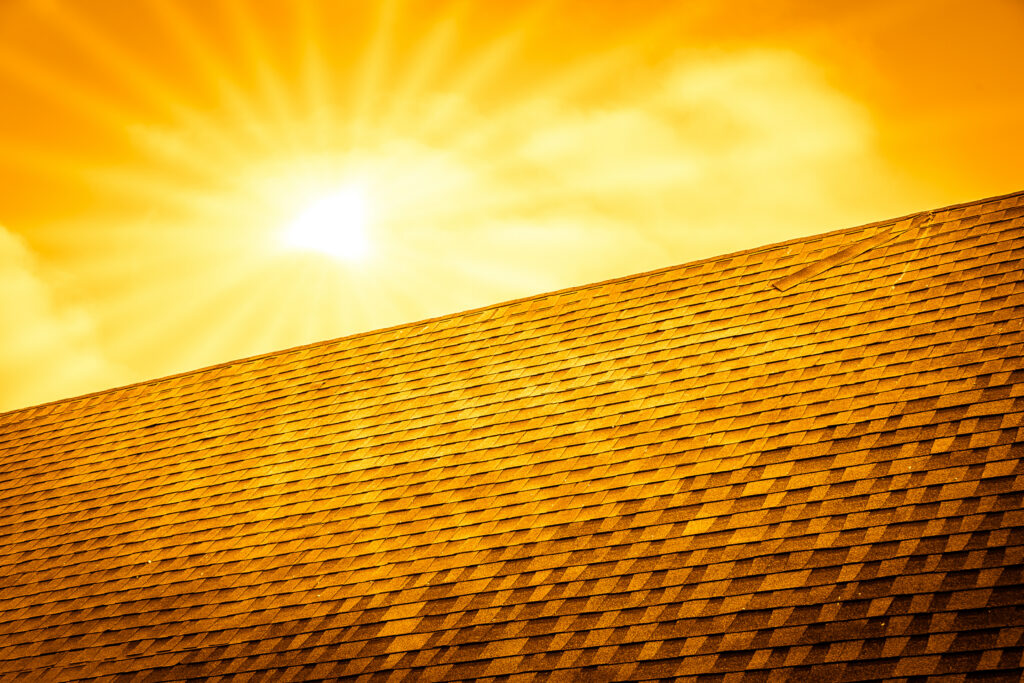
By mid-August, your roof has spent months absorbing direct sun exposure, often reaching surface temperatures well above the surrounding air temperature on hot afternoons. That sustained heat and UV exposure takes a real toll on roofing materials, and late summer—after the worst of the heat but before fall storms arrive—is a practical time to check for the kind of damage that accumulates gradually and often goes unnoticed until it causes a leak.
Why Heat and UV Exposure Damage Shingles
Asphalt shingles, the most common residential roofing material, are essentially a fiberglass mat coated in asphalt and covered with protective mineral granules. UV radiation gradually breaks down the asphalt’s chemical structure over time, a process called oxidation, which causes the material to become more brittle and less flexible. Heat accelerates this process significantly, which is why roofs in consistently sunny, hot climates tend to show wear and require replacement sooner than equivalent roofs in cooler, cloudier regions.
The protective granules embedded in the shingle surface serve a specific function: they reflect a portion of incoming UV radiation and shield the underlying asphalt from direct sun exposure. As shingles age, these granules gradually loosen and wash away, particularly after heavy summer rain, leaving the asphalt beneath increasingly exposed to the UV damage the granules were meant to prevent.
What to Look For From the Ground
A full roof inspection often calls for a professional, but several warning signs of heat and sun damage are visible from the ground with a good pair of binoculars, without needing to climb up yourself. Look for shingles that appear curled or cupped at the edges—a classic sign of heat-related warping as the material loses flexibility. Watch for shingles that look noticeably darker or shinier in patches, which can indicate granule loss exposing the asphalt layer beneath. Check your gutters and the ground near downspouts for accumulated granules, which look like coarse, sand-like grit and indicate active shingle deterioration.
Blistering—small raised bumps on the shingle surface—is another heat-related sign, caused by trapped moisture beneath the shingle expanding and contracting as temperatures fluctuate throughout the day, eventually creating small pockets that weaken the shingle’s structure.
Flashing and Sealant Take Heat Damage Too
Beyond the shingles themselves, the flashing and sealant around roof penetrations—vents, chimneys, skylights—are particularly vulnerable to heat-driven wear. Sealant and caulk around these areas can dry out, crack, and shrink after months of sun exposure, creating small gaps that become entry points for water once fall rains arrive. These areas are worth checking specifically, since a failure here often causes leaks that seem to come from nowhere, since the actual entry point is hidden by the roofing material around it.
Attic Ventilation Plays a Bigger Role Than People Expect
Poor attic ventilation compounds heat damage to a roof from underneath, since trapped hot air in an inadequately ventilated attic raises the temperature of the roof deck and shingles from below at the same time the sun is heating them from above. This double exposure accelerates the same oxidation and material breakdown that direct sun causes on its own, meaning two roofs with identical shingles and identical sun exposure can age at meaningfully different rates depending on how well the attic beneath them is ventilated.
Checking that attic vents are clear of debris and insulation blocking airflow, and confirming that your attic has both intake and exhaust ventilation working together, is a less visible but genuinely impactful part of protecting your roof from cumulative summer heat damage.
Why Late Summer Is a Good Time to Check
Checking now, after the most intense heat has passed but before fall’s wind and rain arrive, gives you a window to address minor issues—resealing a vent, replacing a handful of damaged shingles—before they become active leaks during autumn storms. Roofing contractors also tend to have more availability in late summer than during the post-storm rush that follows the season’s first major fall weather event, making repairs easier to schedule without urgency-driven pricing or long wait times.
A Roof That’s Earned a Look
Your roof has quietly absorbed months of intense heat and UV exposure with no complaints, but that doesn’t mean it’s come through unaffected. A careful look now, focused on the specific signs that heat and sun exposure leave behind, can catch developing problems while they’re still simple and inexpensive to address.