The Number on Your Forecast That Most People Misread
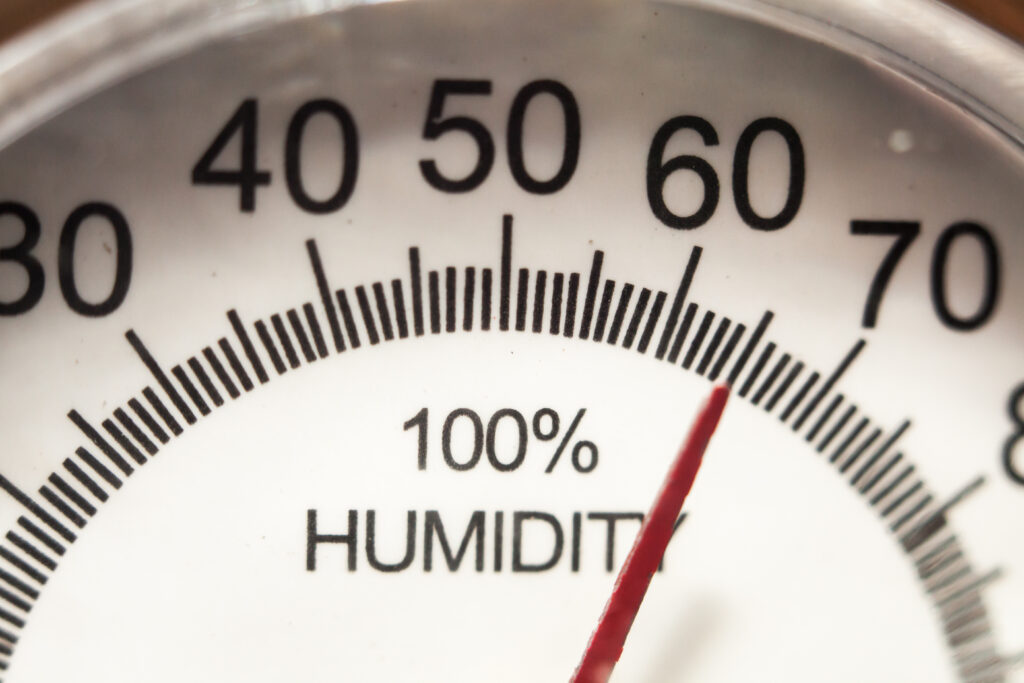
Humidity is one of the most frequently reported weather measurements and one of the most widely misunderstood. When a forecast says humidity is 80 percent, most people picture the oppressive, heavy air of a summer afternoon — the kind where you step outside and feel like you’ve walked into a warm, wet towel. But 80 percent humidity on a 40°F April morning is nothing like 80 percent humidity on a 90°F August afternoon. The number is the same; the experience is entirely different.
The reason is that relative humidity — the percentage figure shown in most forecasts — doesn’t directly tell you how much moisture is in the air. It tells you how full the air is relative to its capacity at that temperature. And temperature changes that capacity dramatically. Understanding this distinction, and the alternative metric that actually captures how humid air feels, makes every weather forecast more readable and more useful.
What Relative Humidity Actually Measures
Relative humidity is a ratio. It compares how much water vapor the air currently contains to the maximum amount it could contain at that temperature. Air at 50 percent relative humidity is holding exactly half the water vapor it’s capable of holding. Air at 100 percent relative humidity is saturated — it can’t hold any more, and excess vapor condenses into liquid water, producing dew, fog, or clouds.
The critical variable is temperature. Warm air can hold far more water vapor than cold air — roughly double for every 20°F increase. This means:
A 40°F morning at 90 percent relative humidity contains a modest amount of actual water vapor. The air is nearly saturated, but at 40°F, “nearly saturated” isn’t much moisture.
A 90°F afternoon at 50 percent relative humidity contains far more actual water vapor, even though the relative humidity reading is lower. The air has more room left before saturation, but it’s already holding an enormous amount of moisture.
This is why relative humidity readings often feel counterintuitive. The number climbs overnight as temperatures drop — even though no moisture was added to the air, the air’s capacity decreased, making the same amount of vapor represent a higher percentage of maximum. Morning relative humidity is almost always higher than afternoon relative humidity for this reason, even on days when the air itself hasn’t changed.
Dew Point: The Number That Actually Tells You How Humid It Feels
Dew point is the temperature to which air must be cooled before water vapor begins condensing. It’s a direct measurement of how much moisture is actually in the air, expressed in degrees rather than percentage.
Unlike relative humidity, dew point doesn’t change when temperature changes (assuming no moisture is added or removed). Air with a dew point of 60°F has a dew point of 60°F whether the temperature is 65°F or 95°F. This makes it a stable, consistent measure of actual moisture content.
Dew point is also directly linked to how air feels to the human body, because the body cools itself primarily through sweat evaporation. When dew points are low, sweat evaporates readily, the body cools efficiently, and humid conditions feel comfortable. As dew points rise, evaporation slows, and the body’s cooling system becomes progressively less effective.
The practical scale most meteorologists use:
Below 50°F: Dry and comfortable. The air feels crisp. Sweat evaporates immediately.
50°F to 59°F: Comfortable to slightly humid. Noticeable but not oppressive.
60°F to 64°F: Noticeably humid. Outdoor exercise feels harder than it would in drier conditions.
65°F to 69°F: Humid and somewhat oppressive. The “sticky” feeling most people associate with humid weather.
70°F to 74°F: Very humid and uncomfortable. Sweat doesn’t evaporate well. Extended outdoor activity is taxing.
Above 75°F: Oppressive. Dew points above 75°F are rare in the United States but occur during extreme heat events in the Gulf Coast region and represent genuinely dangerous conditions for outdoor exertion.
Why Spring Dew Points Are Rising Right Now
In winter, dew points across most of the interior United States are low — often in the teens and 20s°F — because cold air holds little moisture and the Gulf of Mexico is too cold to pump abundant water vapor northward. The air is dry, which is why winter static electricity crackles and skin and sinuses dry out.
As spring advances, two things change. The Gulf of Mexico warms, increasing the rate of evaporation and the moisture content of air flowing northward. And the warmer spring atmosphere has increased capacity to hold that moisture. By mid-April, dew points across the Midwest and Southeast have typically climbed into the 40s and low 50s — still comfortable, but noticeably different from February’s dry air.
This shift is perceptible in daily life. The air feels softer. Skin that was dry all winter suddenly doesn’t need as much moisturizer. Wood floors and furniture that shrank slightly in winter’s dry air begin to swell back as humidity rises. Static electricity largely disappears. These are all manifestations of rising dew points — not rising relative humidity, which fluctuates widely day to day, but the underlying moisture content of the air climbing steadily through spring.
By June and July, dew points across the central and eastern United States commonly reach the mid-60s to low 70s, which is when summer’s oppressive humidity becomes a genuine health concern during heat waves.
The Heat Index: When Humidity Meets Heat
The heat index — the “feels like” temperature shown in summer forecasts — is essentially a formalized version of what dew point-based discomfort produces at high temperatures. It represents the combined effect of air temperature and moisture on how the human body experiences heat load, calculated from research on sweat evaporation rates at different temperature and humidity combinations.
At moderate temperatures, the heat index and actual temperature are close to equal because even humid air allows adequate sweat evaporation. As temperatures climb above 80°F, the gap between actual temperature and heat index widens rapidly with increasing humidity. At 95°F with a dew point of 75°F, the heat index can exceed 115°F — a combination that is dangerous for outdoor activity even for healthy adults.
This is why summer heat warnings focus on heat index rather than air temperature alone. A 95°F day in Phoenix, where dew points are often below 30°F, is hot but manageable for most healthy people. A 95°F day in Houston, where dew points regularly hit 70°F or higher, can be genuinely life-threatening for vulnerable individuals.
Reading Humidity in Your Forecast More Usefully
Most weather apps and forecast websites display both relative humidity and dew point, though relative humidity gets more prominent placement. Getting in the habit of checking dew point gives you more actionable information:
If dew point is below 55°F, outdoor activity is comfortable from a humidity standpoint regardless of what the relative humidity percentage says.
If dew point is above 65°F, plan outdoor exercise for early morning when temperatures are lower — the combination of heat and humidity will be most manageable then.
If dew point is above 70°F and temperatures are above 85°F, the heat index will be significantly higher than air temperature and heat-related illness risk is elevated.
Relative humidity still tells you something useful: when it reaches 100 percent, fog and dew form, and precipitation from saturated air becomes possible. But for understanding how the air will actually feel on your skin — and how hard your body will have to work to stay cool — dew point is the number worth knowing.