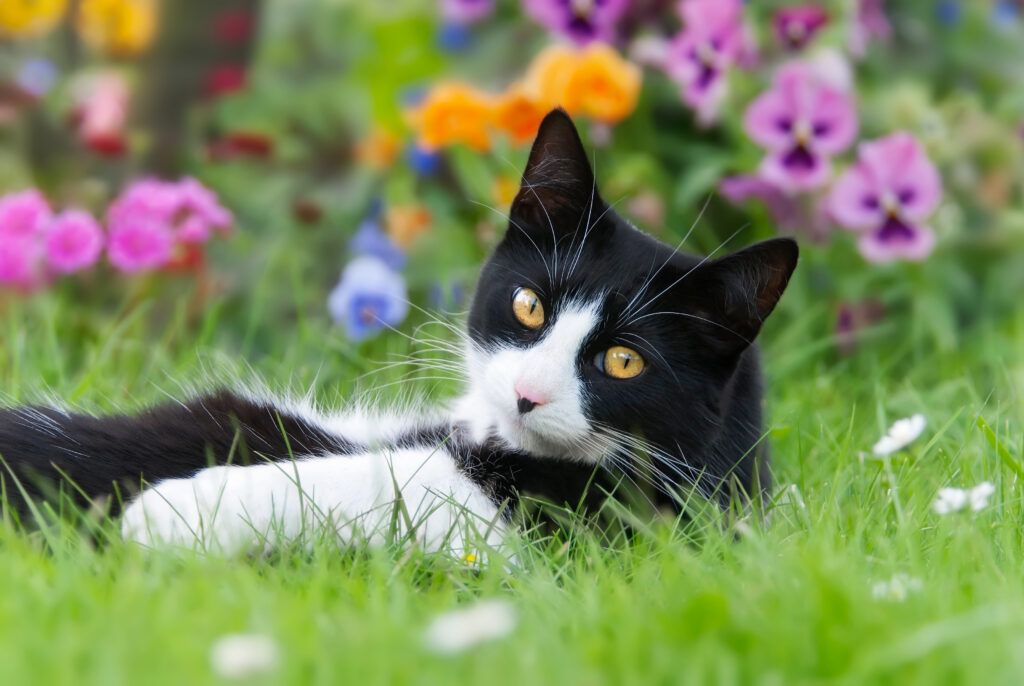
Cats Want to Be Outside in Summer. The Season Has Other Ideas.
Cats and summer seem made for each other — the warm pavement, the long evenings, the abundance of birds and insects that make outdoor life endlessly interesting. Indoor-outdoor cats that have been making supervised or free-range outdoor trips all spring become increasingly insistent about access as summer arrives, and many owners who restricted outdoor time during cold weather relax those restrictions when the season turns warm.
Summer does offer cats genuine pleasures outdoors. It also introduces specific hazards that are either absent or less severe in other seasons: heat that builds faster than cats recognize, outdoor toxins that peak in summer, wildlife that is more active and more aggressive during breeding and nesting season, and the particular vulnerability of cats to conditions they often hide until the situation is serious.
Cats are stoic animals. They mask discomfort and illness more effectively than dogs, and by the time a cat is showing obvious signs of distress, the situation has often been developing for some time. Summer’s hazards are worth understanding specifically because cats won’t always tell you when something is wrong.
Heat and Cats: A Different Risk Profile Than Dogs
The 4/15 spring heat piece and subsequent pet health content focused primarily on dogs, whose heat vulnerability is well-publicized. Cats are genuinely more heat-tolerant than dogs in some respects — their desert ancestry means they evolved in hot, dry conditions, and they are more efficient at conserving water and tolerating elevated temperatures than many dog breeds. But this tolerance has limits that summer in the central and southern United States routinely exceeds, and cats’ stoicism about discomfort means owners may not notice heat stress until it’s advanced.
Cats regulate temperature primarily through grooming — licking their fur deposits saliva that evaporates and cools the surface — and through behavioral thermoregulation: seeking shade, spreading out to maximize surface contact with cool surfaces, and reducing activity during the hottest parts of the day. These mechanisms work adequately in mild heat but become insufficient when temperatures remain elevated for extended periods.
The primary heat risk for outdoor cats is not acute heatstroke during a single hot afternoon — cats are typically smart enough to find shade and reduce activity before reaching crisis — but chronic heat stress during sustained heat waves when overnight temperatures don’t drop sufficiently for recovery. A cat that has access to shade and water but is spending successive nights in outdoor temperatures that remain above 80°F is accumulating heat burden without adequate recovery, which can progress to dehydration, lethargy, and eventually organ stress in a way that is difficult to observe because the deterioration is gradual.
During heat waves — sustained periods with overnight lows above 75°F — keeping outdoor cats inside during the hottest periods is the most effective intervention. This is also when vehicles present their most acute risk: cats shelter in the shade beneath and inside vehicles, including in wheel wells and on top of tires, to escape heat. Check beneath and around your vehicle before moving it during summer, and be aware that neighborhood cats may have selected your car as a heat refuge.
Dehydration: The Underestimated Risk
Cats have a naturally low thirst drive — an evolutionary adaptation to obtaining most of their moisture from prey rather than from drinking. This makes them chronically prone to mild dehydration under normal conditions, and significantly more vulnerable to dehydration in hot weather when fluid losses through respiration and grooming increase.
Outdoor cats in summer may have access to various water sources — puddles, garden ponds, bird baths — but the quality and reliability of these sources is variable, and some carry genuine health risks. Standing water in summer can harbor Giardia, Leptospira, and cyanobacteria (blue-green algae) that cause serious illness in cats. Garden ponds and ornamental water features are particularly high-risk because they accumulate organic matter and warm in summer to temperatures that support pathogen and algal growth.
Providing fresh, clean water in multiple outdoor locations — changed daily to prevent warming and contamination — encourages cats to drink from safe sources rather than whatever they find. Cats often prefer moving water; a garden-safe recirculating fountain can significantly increase outdoor water intake. Wet food supplementation during summer months provides additional moisture content that helps buffer against dehydration even in cats that drink less than they should.
Signs of dehydration in cats include reduced skin elasticity (skin that doesn’t snap back immediately when gently tented), dry or tacky gums, sunken eyes, lethargy, and reduced urination. A dehydrated cat that is also showing lethargy or appetite loss in summer heat warrants prompt veterinary attention.
Toxic Plants at Peak Season
Summer brings the full expression of garden and landscape planting, and many plants at peak growth during June through August are toxic to cats. Cats are obligate carnivores with limited ability to detoxify plant compounds, making them more sensitive to plant toxins than dogs.
Several summer garden staples are severely toxic to cats and warrant specific attention.
Lilies are the most dangerous plant in the summer garden for cats — true lilies of the Lilium and Hemerocallis genera, including tiger lilies, Easter lilies, Asiatic lilies, and daylilies, are acutely toxic to cats and can cause fatal kidney failure from even small exposures. Ingestion of even a few petals, leaves, or pollen is enough to cause severe renal toxicity. Cats that groom pollen off their fur after brushing against a lily can be fatally poisoned without having chewed any plant material. If you have outdoor cats, these plants should not be in your garden.
Azaleas and rhododendrons peak in late spring and early summer and contain grayanotoxins that cause vomiting, drooling, weakness, and cardiovascular effects in cats.
Sago palms, popular in warm-climate landscaping, are extremely toxic — all parts of the plant contain cycasin, which causes liver failure. Even small amounts are potentially lethal.
Summer bulb plants including tulips, hyacinths, and alliums contain compounds that cause gastrointestinal irritation and, in significant quantities, more serious toxicity.
Mulch treated with cocoa shells — a popular summer landscape material — contains theobromine, the same compound that makes chocolate toxic to pets.
A cat that has been outdoors and then shows sudden onset vomiting, lethargy, drooling, or neurological symptoms should be considered to have had a potential plant or toxin exposure and should receive prompt veterinary evaluation. The ASPCA Animal Poison Control Center (888-426-4435) provides 24-hour guidance on toxic exposures.
Wildlife Activity and Outdoor Cats
Summer is peak activity season for the wildlife that poses the greatest risks to outdoor cats: snakes emerging from winter dormancy and basking in summer sun, raccoons and opossums that are more active during the long summer evenings, and birds in active nesting season that may be more aggressive in defending nests from perceived cat predation.
The snake risk covered in the spring wildlife piece (4/23) continues and intensifies through summer. Venomous snake bites in cats, while less commonly fatal than in dogs due to cats’ smaller body size and faster venom metabolism per unit body weight, still cause significant pain and tissue damage and require veterinary treatment. Cats’ hunting instincts lead them to interact with snakes rather than avoiding them, making outdoor cats in snake-populated areas genuinely at risk.
Raccoons present a specific disease risk beyond physical attack: raccoon roundworm (Baylisascaris procyonis) can be transmitted through raccoon feces in areas where outdoor cats are likely to investigate. Rabies risk from raccoon encounters is real and makes current rabies vaccination essential for any cat with outdoor access — not optional.
Bird interactions during nesting season can be surprisingly aggressive. Some ground-nesting and low-nesting species will dive-bomb cats that approach nest areas. More practically, outdoor cats are significant predators of nesting birds and fledglings, which is an ecological consideration separate from the cats’ safety but worth acknowledging in the context of summer outdoor access.
Parasites Peak in Summer
Flea and tick populations peak in summer, and outdoor cats are at maximum exposure during the warmest months. The parasite prevention considerations covered in the spring pet transition piece apply with full force through summer — flea and tick prevention should be current and appropriate for the specific parasite landscape of your region.
Ear mites, mange mites, and ringworm (a fungal infection despite its name) also circulate more actively through outdoor cat populations in summer, when encounters between cats are more frequent. Any cat with persistent ear scratching, patchy hair loss, or skin irritation after spending time outdoors warrants veterinary evaluation.
The Indoor-Outdoor Balance
For cats that have outdoor access, summer presents the genuine tension between allowing the outdoor life that cats value and managing the season’s specific risks. There is no formula that resolves this tension for every cat in every situation — it depends on the specific cat’s temperament, the specific outdoor environment, local wildlife pressures, and the owner’s risk tolerance.
What summer does specifically require is active monitoring rather than passive outdoor access. A cat that has been going outside freely all year doesn’t need to stop in summer, but it does need the same kind of attention to its condition and behavior that its owners apply to their own summer health — water access, shade availability, daily observation for signs of heat stress or illness, current parasite prevention, and awareness of the specific toxins and wildlife risks the season introduces.
Cats are independent animals that resist surveillance and resent management. They are also animals whose stoicism means the owner is often the only system available for catching problems before they become emergencies. Summer is the season that most rewards the owner who pays attention.