Common Beliefs That Drive Up Your Winter Bills
When temperatures drop, heating costs can skyrocket—and many homeowners unknowingly make the problem worse by following outdated advice or widespread misconceptions about how heating systems work. These myths persist because they sound logical or because “everyone knows” they’re true. But understanding the actual science behind home heating can help you stay warmer while spending less on energy bills.
Let’s examine some of the most common heating myths and what you should do instead to keep your home comfortable and efficient all winter long.
Myth: Cranking the Thermostat Higher Heats Your Home Faster
Many people believe that setting the thermostat to 80 degrees will heat a cold house faster than setting it to the desired 68 degrees. This seems intuitive—more heat should mean faster heating, right? Unfortunately, that’s not how most heating systems work.
Your furnace or heat pump operates at a consistent output regardless of how high you set the thermostat. Whether you set it to 68 or 80 degrees, the system produces heat at the same rate. The only difference is when it stops. Setting the temperature higher just means your system will run longer, potentially overshooting your comfort zone and wasting energy.
The thermostat is more like an on/off switch with a target than an accelerator pedal. Set it to your desired temperature and let the system do its job. You won’t get there any faster by setting it higher, but you might end up with an overheated home and a higher energy bill.
Myth: Closing Vents in Unused Rooms Saves Energy
This myth seems perfectly logical: if you’re not using a room, close the vent and redirect that warm air to spaces you actually occupy. Many homeowners do this thinking they’re being smart about energy use. In reality, closing vents can actually decrease efficiency and potentially damage your HVAC system.
Modern forced-air heating systems are designed to distribute air throughout your entire home in a balanced way. When you close vents, you disrupt this balance and increase pressure in the ductwork. The system still produces the same amount of heated air, but now it’s being forced through fewer outlets, which makes the blower work harder and can strain the system.
Increased pressure can also cause air leaks in ductwork, pushing expensive heated air into your attic, walls, or crawlspace instead of into living areas. In some cases, the added strain can lead to premature system failure or costly repairs.
If you genuinely want to avoid heating certain areas, a better solution is a zoned heating system with multiple thermostats that can independently control different areas of your home. But for standard systems, leave the vents open and keep interior doors open to allow proper air circulation.
Myth: Space Heaters Are Always More Economical Than Central Heating
Space heaters can be cost-effective in very specific situations—if you’re heating a single room while keeping the rest of the house much cooler, for example. But many people overestimate the savings or use space heaters in ways that actually increase costs and create safety hazards.
Most portable electric space heaters are extremely inefficient, converting electricity to heat at high cost. Electric resistance heating is one of the most expensive forms of heat per BTU. If you’re using space heaters while also running your central heating system, you’re likely spending more, not less.
Space heaters also pose fire risks if not used properly. They should never be left unattended, placed near flammable materials, or plugged into extension cords. Thousands of house fires each year are caused by space heater misuse.
If your goal is to reduce heating costs, you’re better off improving your home’s insulation, sealing air leaks around windows and doors, and using a programmable thermostat to reduce heating when you’re asleep or away. These strategies save money without the safety risks of space heaters.
Myth: Leaving the Heat On While You’re Away Costs Less Than Reheating
Some people believe it’s more efficient to maintain a constant temperature in their home 24/7 rather than lowering the heat when they’re at work or on vacation. The reasoning is that reheating a cold house requires more energy than maintaining warmth. This is false for the vast majority of homes and climates.
Heat loss from your home to the outdoors is continuous and proportional to the temperature difference between inside and outside. The warmer you keep your home, the faster heat escapes. By lowering your thermostat when you’re away, you reduce this heat loss significantly.
Yes, your heating system will need to run when you return to bring the temperature back up, but the energy used for reheating is almost always less than what you would have spent maintaining a higher temperature the entire time you were gone. The exception might be in extremely cold climates where letting your home get too cold risks frozen pipes—but even then, you can lower the temperature significantly without danger.
Programmable or smart thermostats make this easy by automatically adjusting temperatures based on your schedule. Most heating professionals recommend lowering your thermostat by 7-10 degrees for 8 hours a day, which can save up to 10% annually on heating costs.
Myth: Fireplaces Are an Efficient Heat Source
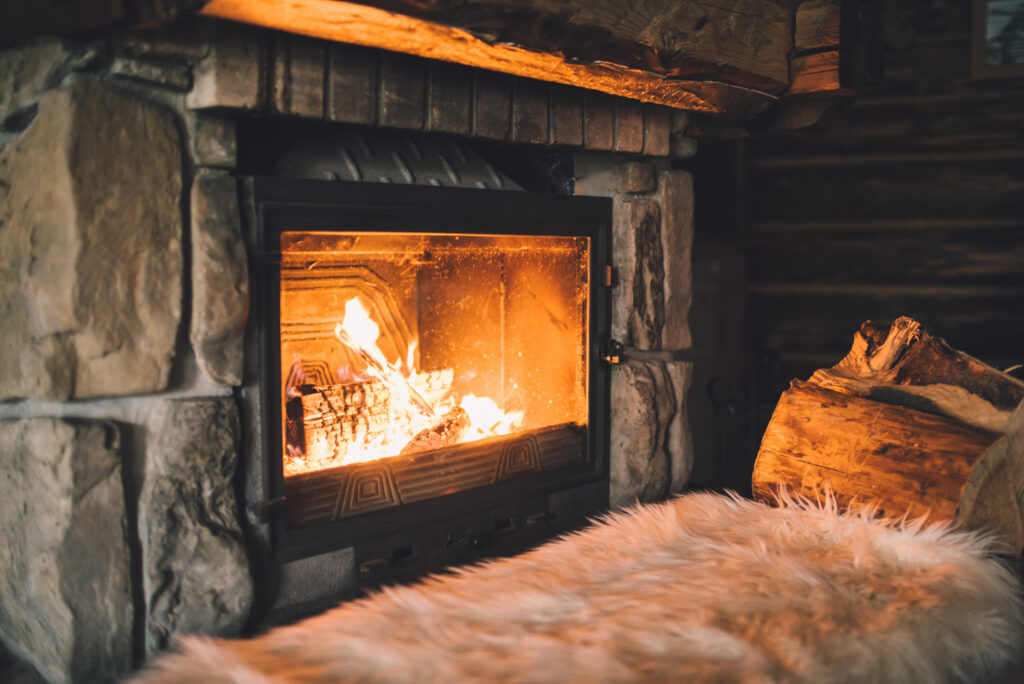
A crackling fire creates a cozy atmosphere and certainly makes a room feel warmer, but traditional wood-burning fireplaces are actually terrible at heating your home efficiently. In fact, they often result in a net heat loss.
Most of the heat from a fireplace goes straight up the chimney along with the smoke. Meanwhile, the fire draws warm air from your home to feed combustion, and that air also goes up the chimney, pulling cold air in through cracks and gaps elsewhere in your house to replace it. You might feel warm sitting directly in front of the fire, but the rest of your house is getting colder.
Some modern gas fireplaces and wood-burning inserts are designed to be more efficient and can actually contribute to home heating. These sealed combustion units draw air from outside, generate significant heat, and keep that heat inside your living space. But the classic open wood-burning fireplace is more about ambiance than efficiency.
If you love using your fireplace, enjoy it for what it is—just don’t expect it to lower your heating bills. Make sure your chimney damper is tightly closed when the fireplace isn’t in use, or you’ll lose heated air up the chimney even without a fire burning.
What Actually Works: Real Ways to Save on Heating
Instead of following these common myths, focus on strategies that actually reduce heating costs:
Seal air leaks around windows, doors, electrical outlets, and anywhere else outside air can enter. This is often the single most cost-effective improvement you can make.
Add insulation to your attic if it’s currently under-insulated. Heat rises, and an poorly insulated attic is like leaving a window open all winter.
Use a programmable thermostat and actually program it to lower temperatures when you’re asleep or away from home.
Have your heating system serviced annually to ensure it’s running efficiently. Dirty filters, poorly calibrated thermostats, and minor mechanical issues can significantly increase energy use.
Use curtains strategically. Open them during sunny winter days to let solar heat in, and close them at night to add an extra layer of insulation against cold windows.
Understanding Your System Saves Money
Home heating doesn’t need to be mysterious or expensive. By understanding how your system actually works and avoiding common myths, you can stay comfortable all winter while keeping energy costs under control. The key is working with your heating system’s design rather than against it, and focusing on efficiency improvements that have real, measurable impacts on both comfort and cost.