Does Feeding Birds in Winter Actually Help Them Survive?
The Truth About Backyard Bird Feeding During Cold Months
Many people fill their bird feeders religiously during winter, believing they’re helping birds survive harsh conditions. But does putting out seed actually make a difference for wild birds, or are we just enjoying their company? Scientists have studied this question extensively, and the answer is more nuanced than you might expect.
Birds Are Adapted to Survive Winter Without Us
Wild birds have survived cold winters for millions of years without human help. Most species that stay in northern climates through winter have remarkable adaptations for finding food and conserving energy in harsh conditions.
Birds fluff their feathers to create insulating air pockets, lower their body temperature at night to conserve energy, and know where to find natural food sources like seeds, berries, insects hidden in tree bark, and dried plant material. Many species cache food during fall to retrieve later when resources are scarce.
So birds don’t need feeders to survive winter in most cases. But that doesn’t mean feeding them has no impact.
Feeders Provide a Reliable Supplemental Food Source
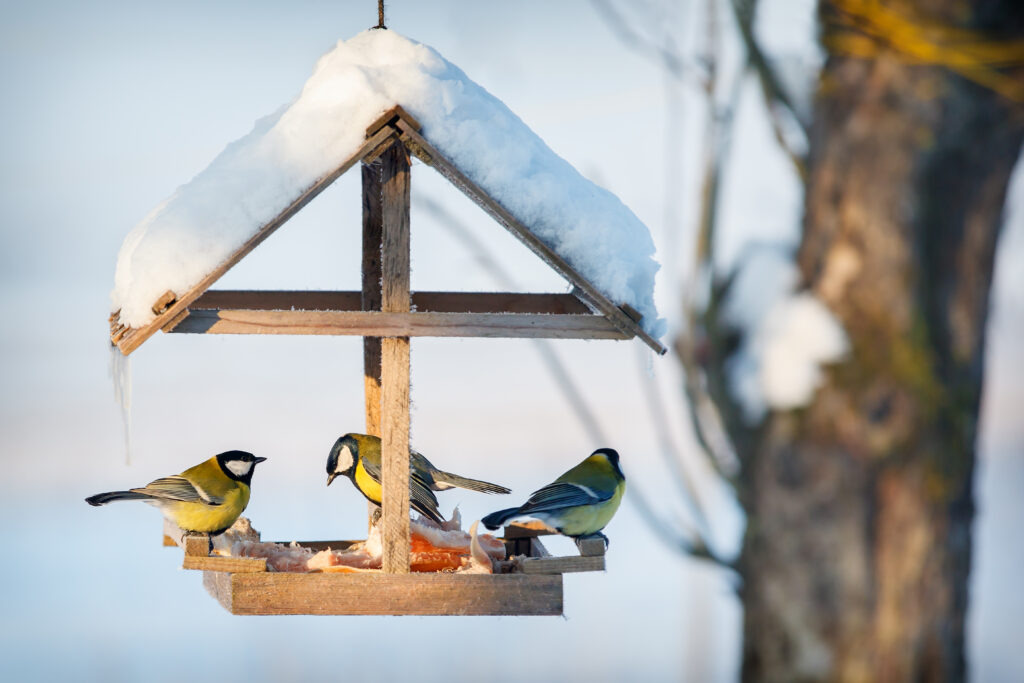
Research shows that bird feeders act as a convenient, predictable food source that supplements—but doesn’t replace—natural foraging. Birds with access to feeders spend less time and energy searching for food, which can be especially beneficial during extreme cold snaps, ice storms, or deep snow that covers natural food sources.
Studies have found that birds using feeders maintain better body condition and may have slightly higher survival rates during the harshest winter conditions. The benefit is most pronounced during severe weather events when natural food is temporarily inaccessible.
However, birds typically get only about 20-25% of their daily food from feeders, continuing to forage naturally for the rest. They don’t become entirely dependent on your feeder—they’re smart enough to diversify their food sources.
Timing Matters: When Feeders Help Most
Bird feeders are most beneficial during specific challenging periods:
Late winter into early spring is often the hardest time for birds. Natural food supplies are depleted, but spring growth hasn’t started yet. Many birds are also beginning to prepare for breeding season and need extra calories.
During ice storms, when freezing rain coats branches and makes natural food inaccessible, feeders can be genuinely helpful—even critical for some birds.
In extreme cold with heavy snow cover, feeders provide easier access to food when natural sources are buried or frozen solid.
On mild winter days with accessible natural food, feeders are more about convenience than necessity for most species.
The Risks of Bird Feeding
While feeding birds can help, it’s not without potential problems:
Disease transmission occurs when birds congregate at feeders. Salmonella, conjunctivitis, and other illnesses can spread rapidly among birds sharing feeding stations. Dirty feeders make this worse.
Predator attraction increases when birds gather predictably in one location. Cats, hawks, and other predators learn to stake out feeders.
Unnatural behavior can develop. Some research suggests that easy food access might affect migration timing or encourage birds to remain in areas where they wouldn’t naturally winter—though evidence for this is mixed.
Window collisions kill millions of birds annually. Feeders near windows can increase strike risk if not positioned carefully.
If You Feed, Do It Responsibly
If you choose to maintain bird feeders, follow these guidelines to maximize benefits and minimize risks:
Clean feeders regularly. Wash them with a 10% bleach solution every two weeks, and more often during wet weather. Remove any moldy or spoiled food immediately.
Provide fresh water. Access to unfrozen water in winter is often more critical than food. Use a heated birdbath or change water daily.
Choose quality food. Black oil sunflower seeds appeal to many species. Avoid cheap filler mixes with milo and wheat that most birds ignore. Suet provides high-energy fat that’s especially valuable in cold weather.
Position feeders thoughtfully. Place them either within three feet of windows (so birds can’t build up dangerous speed) or more than 30 feet away. Locate them near natural cover where birds can escape predators but far enough from cover that cats can’t ambush them.
Keep feeding consistently. If you start feeding in winter, continue through early spring. Birds learn to rely on predictable food sources, and suddenly removing a feeder during harsh weather can be stressful—though they will adapt by finding other sources.
Don’t forget ground feeders. Some species like juncos, doves, and sparrows prefer feeding on the ground. Scatter seed in open areas away from hiding spots for predators.
Once You Start, Should You Never Stop?
There’s a common myth that if you start feeding birds in winter, you must continue or they’ll starve. This isn’t true.
Birds visit multiple food sources and remember where food is available. If your feeder disappears, they’ll simply spend more time at their other foraging locations, including other feeders in the neighborhood and natural food sources. They won’t starve because one feeder goes empty.
That said, consistency is helpful during severe weather when every food source matters. If you’re going on vacation during winter, don’t feel guilty—just fill your feeders before you leave or ask a neighbor to refill them if possible.
The Real Value Might Be for Us
Honestly, the greatest benefit of winter bird feeding might be for humans, not birds. Watching birds provides mental health benefits, connects people with nature, teaches children about wildlife, and offers a sense of purpose during dark winter months.
There’s nothing wrong with this. Enjoying wildlife in your yard is valuable, and if it modestly helps birds while bringing you joy, that’s a worthwhile exchange.
The Bottom Line on Winter Bird Feeding
Feeding birds in winter won’t save entire populations, but it can provide meaningful supplemental nutrition during the most challenging conditions. If you feed responsibly—keeping feeders clean, providing quality food, and positioning them safely—you’re likely doing more good than harm.
Birds will survive without your feeder, but they may thrive a bit more with it. And you might find that the biggest beneficiary of your winter bird feeding is actually you.