Understanding the Hidden Winter Hazard That Causes Thousands of Accidents
Of all winter driving hazards, black ice might be the most treacherous because it strikes without warning. Unlike snow-covered roads that clearly signal danger, black ice looks like normal wet pavement—until your vehicle suddenly loses all traction and you’re helpless to regain control. Understanding what black ice is, where it forms, and how to navigate it safely can prevent serious accidents during the winter months.
What Black Ice Actually Is
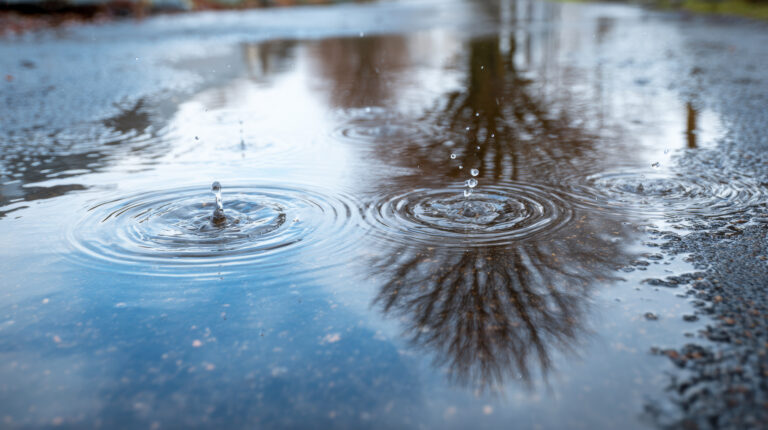
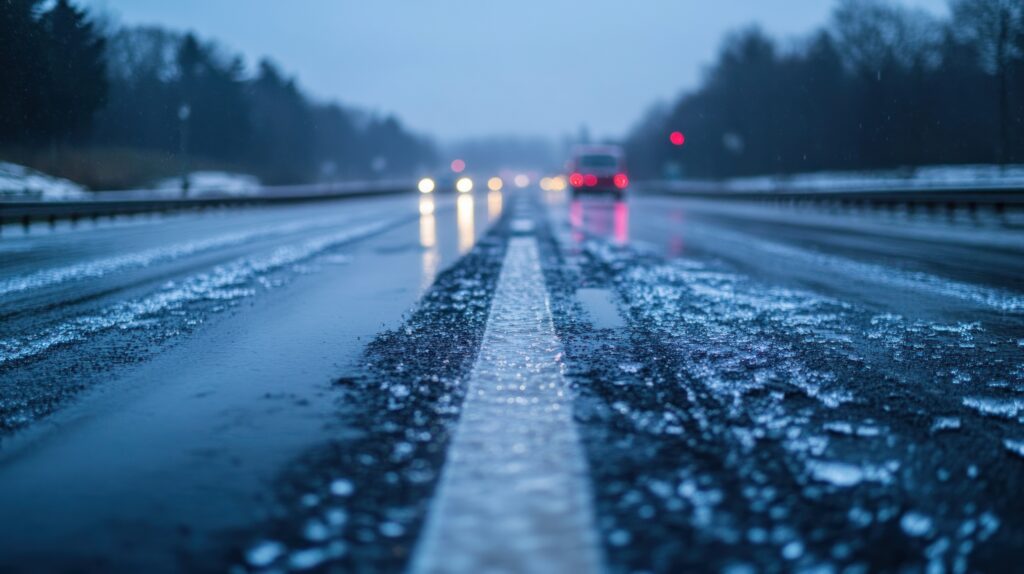
Despite its name, black ice isn’t actually black. It’s a thin, transparent coating of ice on pavement that’s so clear you can see the dark road surface through it—hence the name. This transparency makes it virtually invisible to drivers, especially at night or during conditions with poor visibility.
Black ice forms as a smooth, glassy layer with minimal texture or cloudiness. Unlike the white, opaque ice you see in your freezer or the rough ice that forms on windshields, black ice is clear because it forms slowly without air bubbles or crystalline structure that would make it visible.
The thinness of black ice—often just a few millimeters—also contributes to its invisibility. There’s not enough ice to significantly change the road’s appearance, yet there’s plenty to eliminate all tire traction.
How Black Ice Forms
Black ice develops under specific conditions that can occur throughout winter:
Freezing rain or drizzle creates black ice as supercooled water droplets freeze instantly on contact with cold pavement. This produces the smoothest, most dangerous black ice because water spreads thinly before freezing.
Melting and refreezing occurs when snow or ice melts during the day, creating moisture that refreezes when temperatures drop after sunset. Moisture seeps into road cracks and pores, then freezes into a nearly invisible layer.
Fog or mist in freezing temperatures can deposit moisture on pavement that immediately freezes, building up gradually into black ice without any obvious precipitation.
Dew formation on cold nights can freeze directly into black ice when pavement temperatures drop below 32°F, even when air temperature remains slightly above freezing.
Compressed snow from traffic can melt partially from friction and vehicle heat, then refreeze into smooth ice as traffic decreases and temperatures drop overnight.
Where Black Ice Forms Most Often
Certain locations are particularly prone to black ice formation:
Bridges and overpasses freeze first because cold air surrounds them from all sides—above and below. While ground-level roads have some insulation from earth beneath, elevated roadways lose heat rapidly and develop black ice before other surfaces freeze.
Shaded areas that never receive direct sunlight stay colder throughout the day. Spots under trees, alongside buildings, or in valleys remain below freezing while sunny sections dry out.
Tunnels and underpasses create temperature transitions where moisture can condense and freeze, especially where vehicles exit from warmer areas into colder exposed roadway.
Intersections often accumulate more moisture from vehicle exhaust and snow compacted by turning traffic. This moisture refreezes into black ice overnight.
Low-lying areas and valleys where cold air settles at night often develop black ice while higher elevations remain above freezing.
Near water bodies where temperature differences create fog or mist that deposits moisture on nearby roadways.
Why Black Ice Is So Dangerous
Black ice creates virtually zero traction between tires and pavement:
Unexpected loss of control is the primary danger. Drivers don’t realize they’re on ice until they try to brake, turn, or accelerate—by then, it’s too late.
No warning signs exist. The road looks completely normal—no snow, no visible ice, just what appears to be wet pavement.
Speed compounds the danger. Highway speeds that are safe on dry pavement become deadly on black ice. Vehicles slide hundreds of feet with no ability to steer or stop.
Multiple-vehicle crashes occur as one vehicle loses control, and following vehicles can’t avoid collision because they’re also on ice with no traction.
Experience doesn’t help. Even skilled winter drivers can’t do much once on black ice except try to maintain control while sliding.
Recognizing Potential Black Ice Conditions
While black ice itself is invisible, certain conditions should alert you to its possible presence:
Shiny or glossy pavement that looks wet might actually be ice. Wet pavement has a dull sheen; ice has a glassier appearance, though this distinction is difficult to see, especially at night.
Other vehicles sliding or losing control is the clearest warning sign that black ice is present.
Temperature near or below freezing combined with any moisture—recent precipitation, fog, or even just humidity—creates conditions where black ice can form.
Time of day matters. Black ice is most common in early morning hours after overnight freezing and in late afternoon/evening as temperatures drop following daytime melting.
Lack of spray from other vehicles. On wet roads, vehicles kick up visible spray. On icy roads, there’s no spray because water isn’t present—just ice.
How to Drive on Black Ice
If you encounter black ice, your options are limited:
Don’t brake suddenly. Slamming on brakes guarantees loss of control. If you must brake, apply gentle, steady pressure. Anti-lock brakes (ABS) help, but even ABS can’t overcome complete lack of traction.
Don’t make sudden steering movements. Jerking the wheel will cause skidding. Make slow, gentle adjustments.
Take your foot off the accelerator and let the vehicle slow naturally. Don’t accelerate—you’ll just spin tires and potentially worsen the situation.
Steer in the direction you want to go, not in the direction you’re sliding. If the rear end slides right, gently steer right to straighten out.
Stay calm. Panicking leads to overcorrection and loss of control. The vehicle will slide, but it will also slow down eventually if you don’t make things worse.
Increase following distance dramatically when conditions suggest black ice is possible. You need much more space to stop on ice than on dry or even wet pavement.
Prevention Strategies
The best approach to black ice is avoiding it entirely:
Monitor weather forecasts carefully during winter. Pay attention to overnight lows and whether roads will drop below freezing.
Delay travel if possible during early morning hours when black ice is most common, especially after precipitation or on cold, clear nights following warmer days.
Reduce speed whenever temperatures are near freezing, even if roads look clear. Drive slowly enough that loss of traction won’t cause catastrophic loss of control.
Avoid bridges and overpasses when possible if black ice conditions exist, or reduce speed significantly when crossing them.
Watch for warning signs that often precede black ice patches: “Bridge Ices Before Road,” “Watch for Ice on Bridge,” or similar warnings that transportation departments post in problem areas.
Test traction occasionally in safe circumstances. Gentle brake applications in open areas with no traffic can help you determine road conditions before you need to stop suddenly.
When Black Ice Is Most Likely
Certain scenarios create high probability of black ice:
Clear nights after wet days allow rapid cooling of wet pavement below freezing.
Temperature hovering around 32°F creates ideal conditions where melting and freezing alternate.
After winter storms when temperatures drop following precipitation, moisture on roads refreezes.
During temperature inversions where ground-level air is colder than air aloft, surface moisture freezes while conditions seem relatively mild.
Technology and Treatment
Transportation departments combat black ice with various approaches:
Pre-treatment with brine or anti-icing chemicals before winter weather arrives helps prevent ice bonding to pavement.
Bridge heating systems on some major bridges use embedded heating elements to prevent ice formation.
Temperature sensors on roadways alert transportation departments when black ice conditions develop so they can treat roads proactively.
Weather-responsive traffic systems adjust speed limits or display warnings when conditions create black ice risk.
Despite these efforts, black ice remains a persistent challenge. Treating every potentially icy spot isn’t feasible, and ice can form between treatment runs.
Respect the Invisible Danger
Black ice demonstrates that winter’s most dangerous conditions aren’t always the most visible. Heavy snow demands caution and slow driving, but at least you can see the hazard. Black ice strikes without warning, turning ordinary-looking pavement into a nearly frictionless surface where vehicles become uncontrollable.
When temperatures hover near freezing and any moisture is present, assume black ice could be lurking. Reduce speed, increase following distance, avoid sudden maneuvers, and stay alert for locations where black ice typically forms. The few extra minutes added to your commute by driving cautiously are infinitely preferable to the alternative—sliding helplessly across lanes, unable to stop, hoping you don’t hit anything or anyone before friction finally returns and you regain control.