

Why Do Evergreen Trees Keep Their Needles in Winter? The Strategy Behind Staying Green
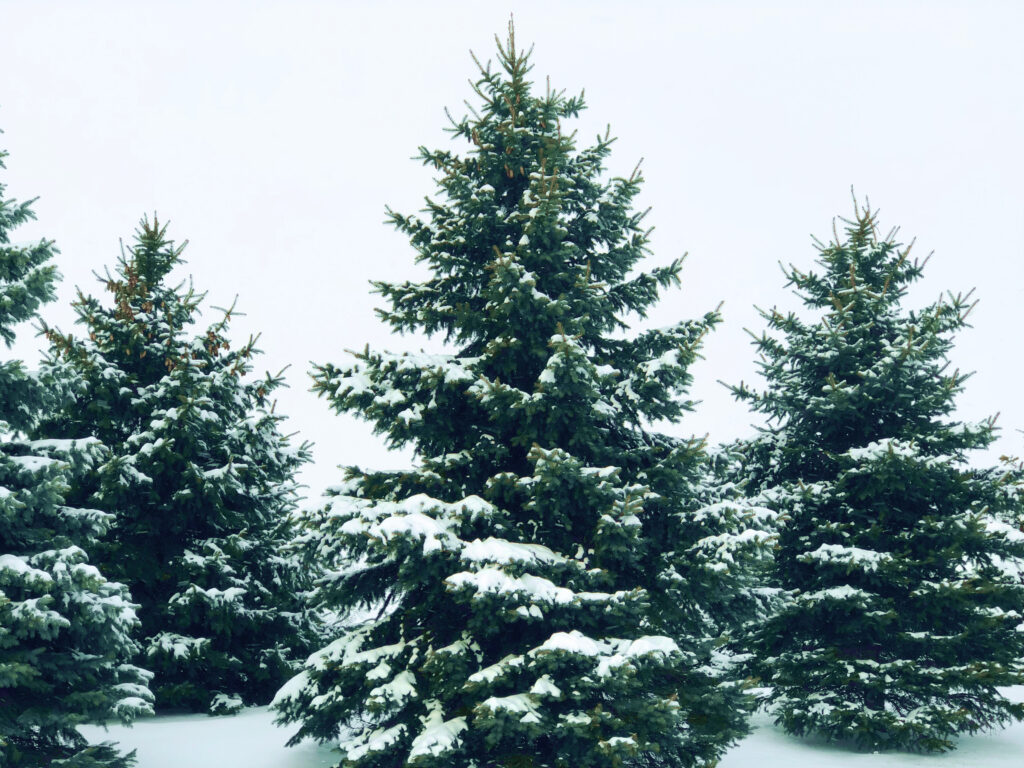
The Trees That Defy Winter Walk through a winter forest and most trees stand bare, their branches skeletal against gray skies. But scattered among the deciduous trees are evergreens—pines, spruces, firs—still clothed in green needles, seemingly unbothered by the cold that stripped their neighbors of every leaf. This persistence seems almost defiant, as if evergreens […]
Why Do Puddles Freeze From the Edges Inward? The Pattern of Ice Formation
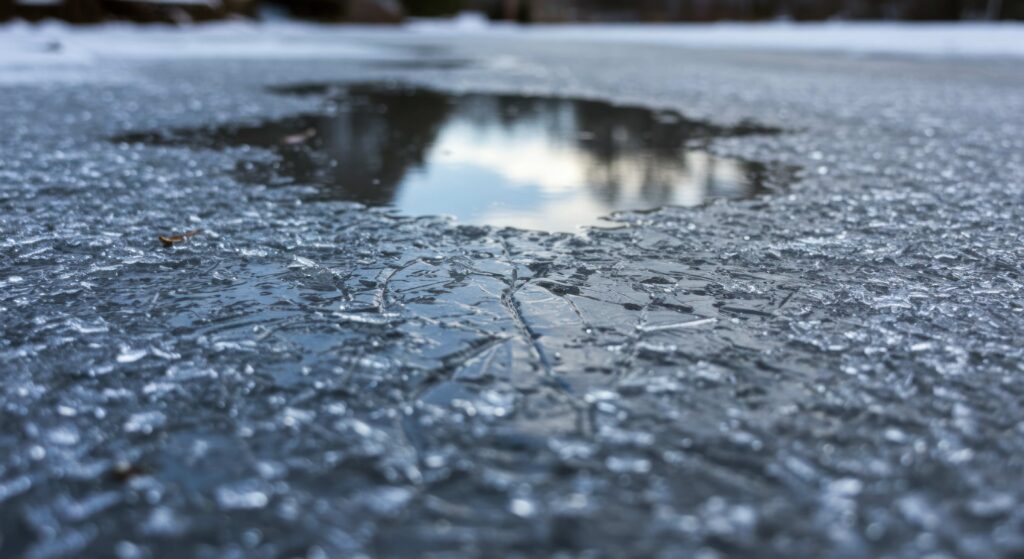
A Predictable Winter Morning Pattern Walk past a puddle on a cold morning and you’ll often notice a distinct pattern: ice has formed around the edges while the center remains liquid. Sometimes just a thin ring of ice borders the puddle. Other times, ice extends partway across, leaving a smaller pool of water in the […]
Why Do Your Glasses Fog Up When You Come Inside From the Cold? The Science of Condensation
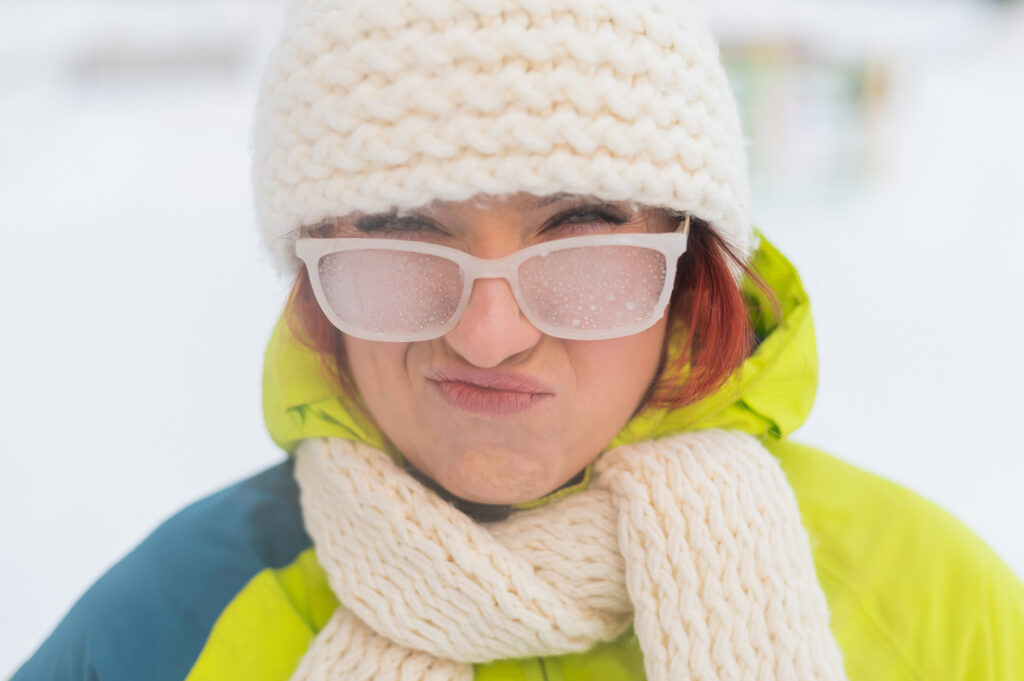
The Instant Blindness of Winter Step inside from a cold winter day wearing glasses and within seconds your lenses turn into opaque white clouds. Everything blurs into an indistinct haze. You’re temporarily blind until the fog clears, forced to either wait patiently or wipe your lenses, which often just smears the moisture around without fully […]
Why Does Hot Water Sometimes Freeze Faster Than Cold Water? The Mpemba Effect Mystery
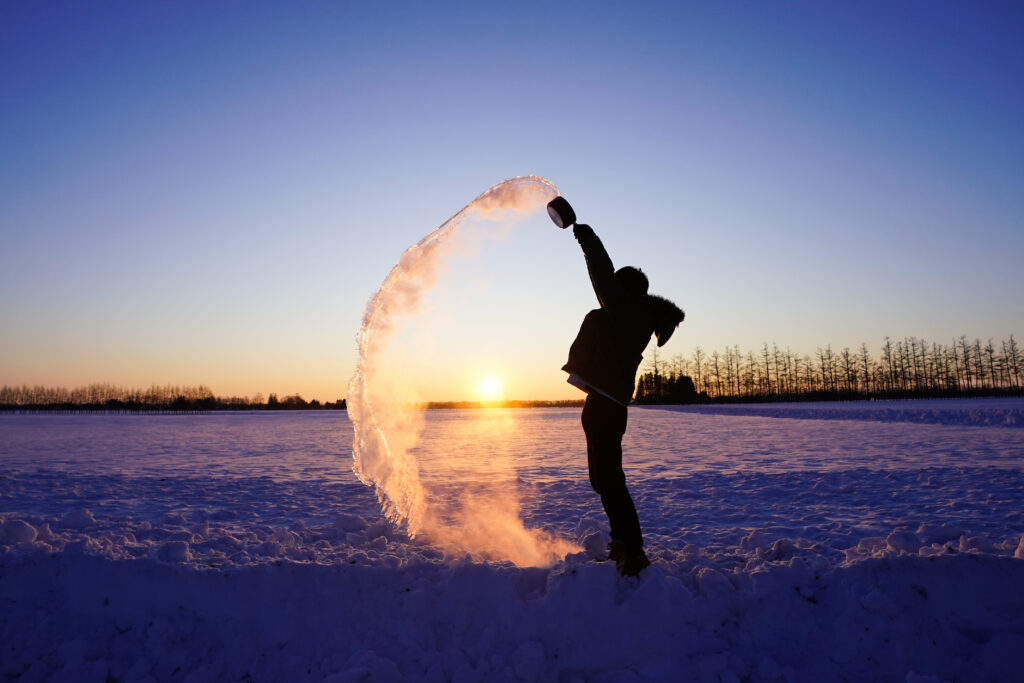
An Observation That Defies Logic Pour two identical containers of water into a freezer—one filled with hot water at 180°F and the other with cold water at 70°F. Common sense says the cold water should freeze first. After all, it has less distance to travel down the temperature scale to reach 32°F. Yet under certain […]
Why Do Icicles Form Ripples? The Mystery of Wavy Ice Formations
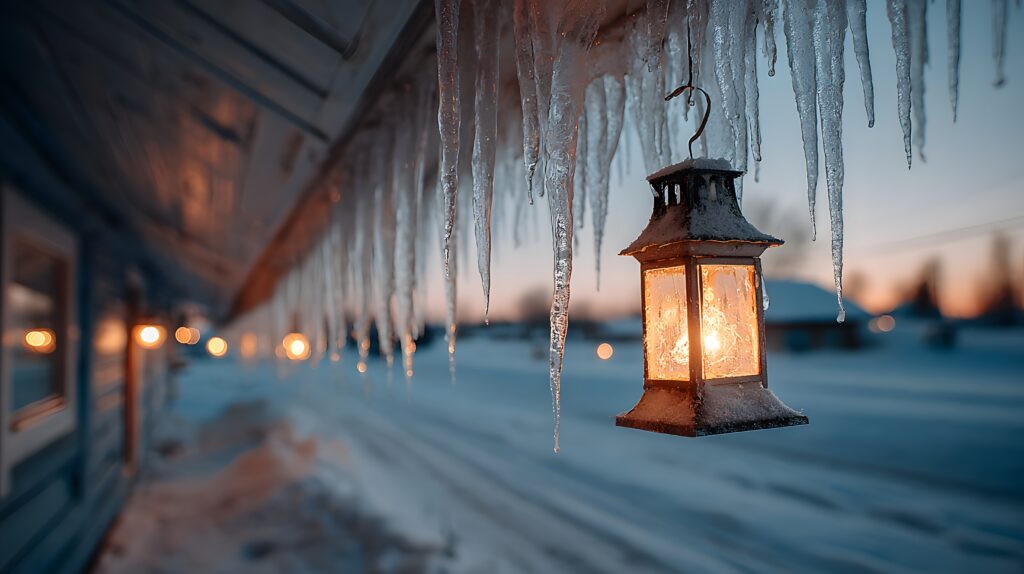
The Unexpected Pattern on Hanging Ice Look closely at icicles hanging from your roof or a tree branch and you’ll often notice something curious: many icicles aren’t perfectly smooth. Instead, they have regular ripples or waves along their length—bumps and grooves spaced evenly, creating a pattern that looks almost decorative, like beads on a string […]
Why Does Wind Make Cold Weather Feel Colder? Understanding Wind Chill

The Bitter Bite of a Windy Day Check the weather forecast on a winter morning and you might see that the actual temperature is 20°F, but the “feels like” temperature—the wind chill—is listed as 5°F. Step outside and your body immediately confirms what the forecast predicted: the wind makes the cold feel dramatically more severe. […]
Why Do Bridges Get Icy Before Roads? The Physics of Freezing Surfaces
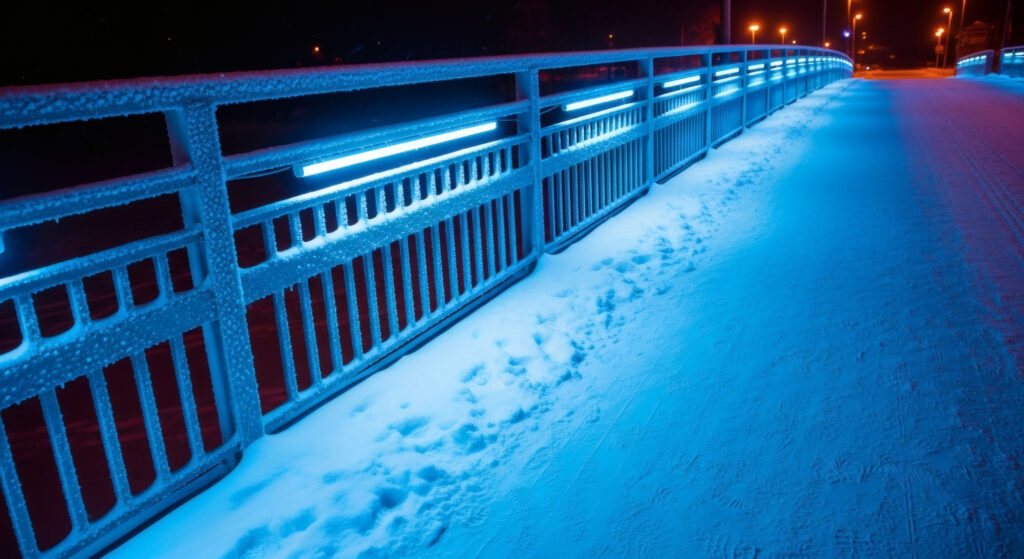
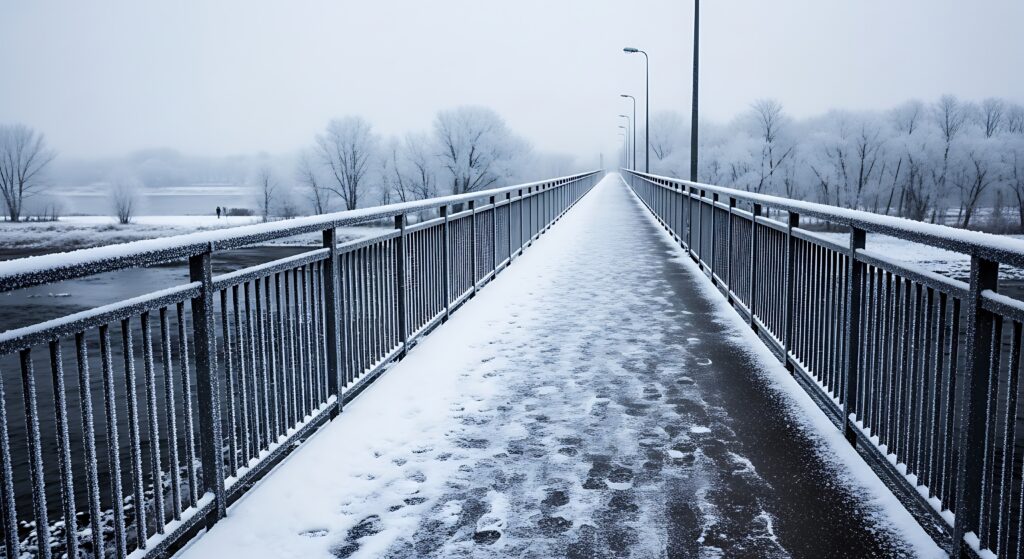
The Warning Sign You’ve Seen Countless Times Drive through cold regions in winter and you’ll inevitably see the warning: “Bridge Ices Before Road” or “Bridge May Be Icy.” For many drivers, this seems like a minor technical detail, barely worth noticing. But this simple warning reflects an important difference in how heat transfers through different […]
Why Do Metal Objects Feel Colder Than Wood in Winter? The Science of Thermal Conductivity
The Puzzle of Touch Temperature Touch a wooden fence post on a cold winter morning, then touch a nearby metal gate, and you’ll experience a striking difference. The metal feels shockingly cold—almost painfully so if you leave your hand on it. The wood feels cool but tolerable. Yet a thermometer would show both objects are […]
Why Do We See Our Breath in Cold Air? The Science of Visible Exhalation
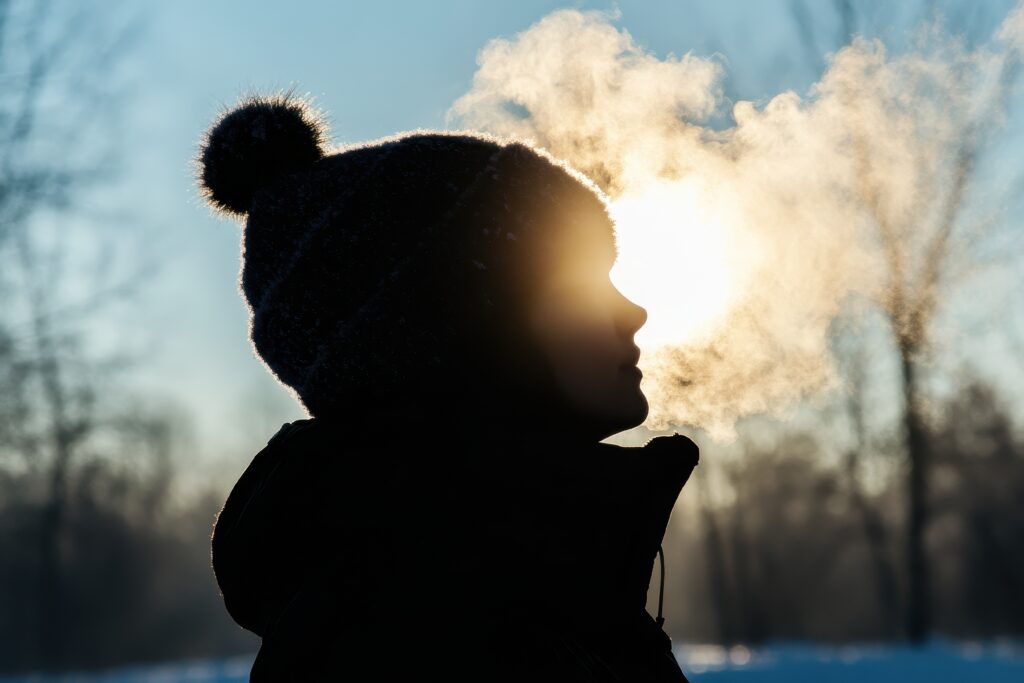
The Cloud You Create With Every Breath Step outside on a cold winter morning and every breath you exhale becomes visible—a small cloud of mist that appears in front of your face, lingers for a moment, and then dissipates into the air. Children delight in pretending to be dragons breathing smoke. Adults gauge just how […]
Why Do Lakes Freeze From the Top Down? The Unusual Physics That Saves Aquatic Life
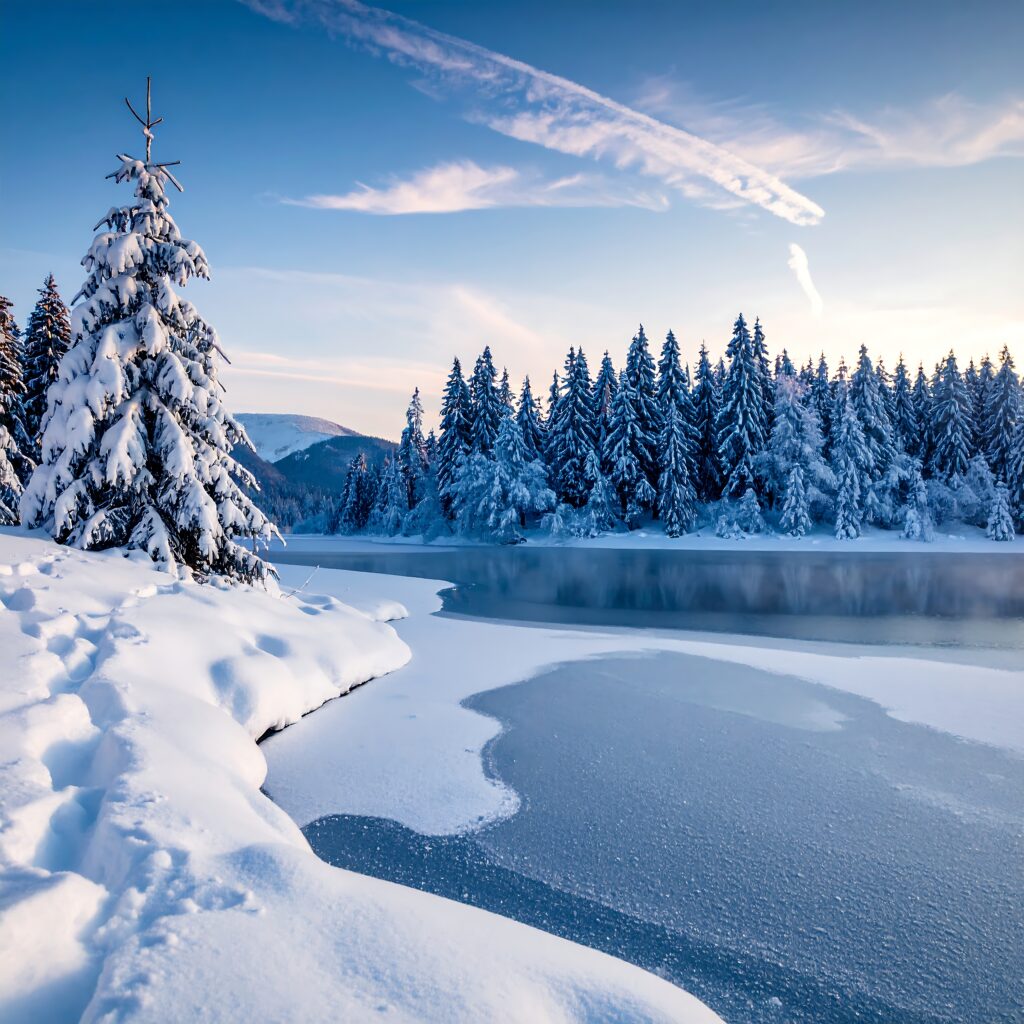
A Frozen Surface, Liquid Below Walk across a frozen lake in winter and you’re standing on solid ice while fish swim in liquid water just feet beneath your boots. This top-down freezing pattern seems natural and unremarkable—until you consider that for nearly every other substance on Earth, the solid form sinks in the liquid form. […]