A Warm Holiday Morning, Then a Wall of Snow
On the morning of November 11, 1940, much of the Upper Midwest woke to unusually pleasant weather. Temperatures in parts of Iowa, Minnesota, and Wisconsin had climbed into the 50s and 60s, and with Armistice Day a holiday for many, a lot of people took advantage of the mild conditions. Hunters headed out to marshes and river backwaters in light clothing, and the autumn duck migration was at its peak.
Within hours, the atmosphere shifted dramatically. A powerful storm swept across the region, bringing violent winds, plummeting temperatures, and blinding snow. The event became known as the Armistice Day Blizzard, and it remains one of the deadliest winter storms in the history of the Midwest.
How a Storm Turned So Quickly
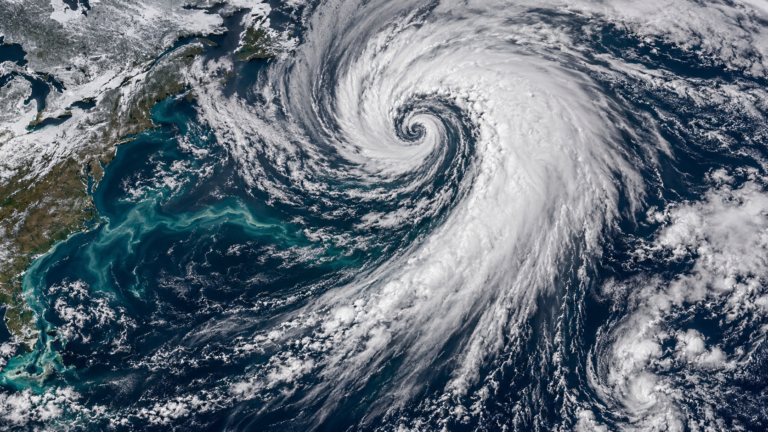
The blizzard developed from the collision of two very different air masses. A strong low-pressure system tracked across the central part of the country, pulling warm, moist air northward ahead of it. Behind it, a surge of frigid Arctic air plunged south. When the cold front arrived, the temperature drop was abrupt, and in some places, readings fell by 40 to 50 degrees within a matter of hours.
Winds rose to gale and, in some areas, hurricane force, and rain turned to snow almost immediately. Heavy snow combined with the wind to produce whiteout conditions, cutting visibility to near zero and creating deep drifts. Parts of Minnesota received more than 20 inches of snow.
Hunters Caught Unprepared
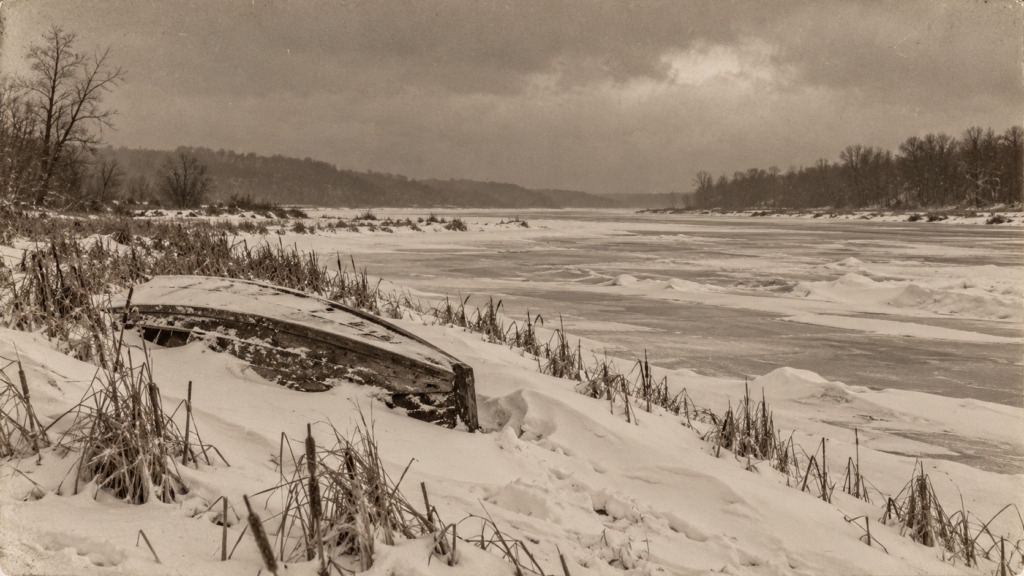
The storm’s most tragic aspect was the number of duck hunters caught outdoors. Many were on river islands and in marshes along the Mississippi River and in backwater areas, dressed for the mild morning in light jackets, waders, or even shirtsleeves. As the weather turned, the temperature fell below freezing, soaked clothing began to freeze, and rising water and high winds made it difficult or impossible to get back to shore. Some hunters were stranded on islands overnight with no shelter.
Dozens of hunters died from exposure and drowning. Rescue efforts were hampered by the storm, and people who made it through the night often did so by burning whatever they could find, huddling together, or finding makeshift shelter.
A Region-Wide Disaster
The blizzard’s toll extended well beyond the hunters. Across the Midwest, roughly 150 people lost their lives. Farmers lost livestock in large numbers, since cattle and other animals were still on open pasture rather than in winter shelter. Travelers were stranded on roads and rails as drifts closed highways, and power and communication lines were knocked out in many communities.
On Lake Michigan, the storm claimed several vessels. Two freighters went down with all hands, and the storm added to the long history of November tragedies on the Great Lakes.
A Forecasting Failure
The Weather Bureau of the time did not anticipate the storm’s intensity. Forecasts called for a change in the weather, but the speed and severity of what followed were not communicated, and many people were caught off guard. The gap between what the forecast said and what happened became a source of lasting criticism and a lesson in the limits of the forecasting tools of the era.
In 1940, meteorologists lacked the radar, satellites, and sophisticated computer models that are now routine. Observations came largely from surface stations and balloon soundings, and forecasters had far less ability to predict how quickly a storm would intensify.
What Changed Afterward
The blizzard stands among the events that led to improvements in how winter storms are forecast and how warnings are communicated. In the decades since, advances in observation, modeling, and communication have made it far more likely that people receive advance notice of a dangerous storm, and the emphasis on clear warnings for rapid weather changes has grown.
The disaster also shaped outdoor safety culture in the Midwest, reinforcing the importance of checking forecasts, dressing for the possibility of a sudden change, and having a plan for getting out of exposed areas quickly.
A Lesson in Preparing for the Worst, Even on a Mild Day
The Armistice Day Blizzard is remembered because it showed how quickly conditions can reverse. A pleasant late-fall morning can precede a dangerous storm by only a few hours, and the people who survived were often those who had extra clothing, shelter, or the ability to get to safety. The same lesson applies today: in November, with fast-moving fronts bringing sharp changes, even a mild morning calls for checking the forecast before heading far from shelter.