Cold Weather Doesn’t Have to End Your Outdoor Routine
As temperatures fall, many people retreat indoors for exercise, but outdoor activity in cool and cold weather can be both safe and enjoyable with the right preparation. Fresh air and daylight are valuable, especially as the days grow shorter, and exercising outdoors in the cold is perfectly manageable for most healthy people when they understand how the body responds and how to dress for it.
Dress for the Workout, Not the Thermometer
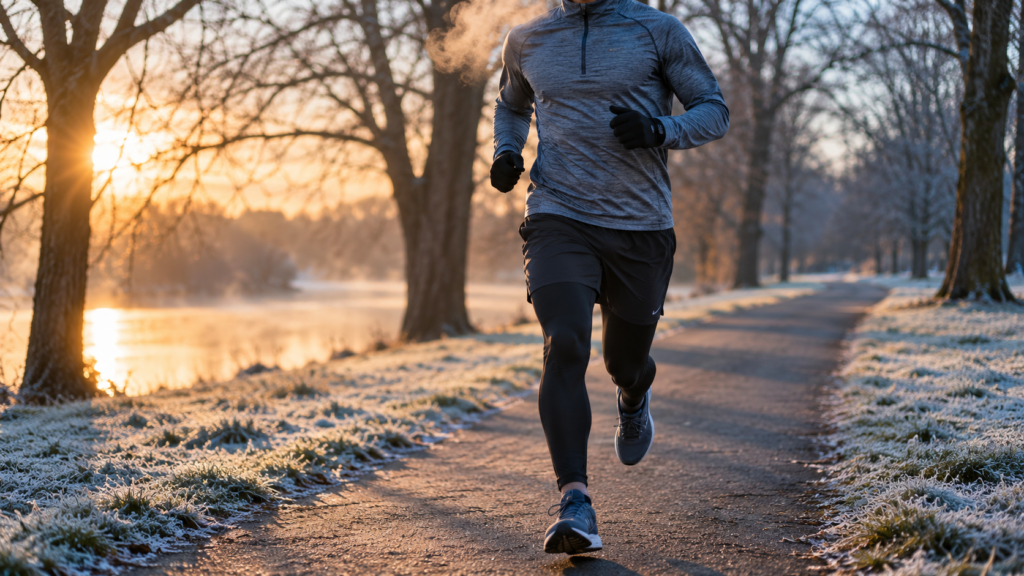
The most common mistake in cold-weather exercise is overdressing. Exercise generates a lot of heat, and a common rule of thumb is to dress as though it were roughly 10 to 20 degrees warmer than the actual temperature. You should feel slightly cool when you step outside, since you’ll warm up within the first ten minutes or so. Starting out too warm often leads to heavy sweating, and wet clothing is what makes people cold.
The Three-Layer Approach
Layering lets you adjust as your body temperature changes. A moisture-wicking base layer sits next to the skin and pulls sweat away. Synthetic fabrics and merino wool work well for this, while cotton holds moisture and stays wet, making it a poor choice for cold-weather exercise. A middle layer, such as fleece or a light insulated top, traps warm air close to the body. An outer layer that blocks wind and sheds light moisture protects against wind chill and precipitation, ideally one that is breathable so sweat can escape.
Being able to remove a layer, tie it around your waist, or put it back on during a cool-down gives you the flexibility to stay comfortable throughout.
Protect Your Extremities
Hands, feet, ears, and the nose are the areas that lose heat fastest and are most prone to cold injury. A hat or headband that covers the ears, gloves or mittens, and warm, moisture-wicking socks make a big difference. Mittens generally keep hands warmer than gloves, since the fingers share warmth. Make sure shoes aren’t so tight that they restrict circulation once you add thicker socks.
Warm Up Before You Head Out
Cold muscles are stiffer and more susceptible to strain, so a few minutes of light movement before heading out, such as marching in place, leg swings, arm circles, or an easy indoor jog, helps raise body temperature and prepare muscles. Starting with an easier pace for the first several minutes and building up gradually serves the same purpose once you’re outside.
Don’t Forget to Hydrate
Cold weather can blunt the sense of thirst, and the body still loses fluid through sweat and through breathing, since the air you exhale carries moisture away. Drinking water before, during, and after exercise matters in the cold just as it does in the heat, even if you don’t feel particularly thirsty.
Watch for the Signs of Cold-Related Problems
Frostbite occurs when skin and underlying tissue freeze, most often on the fingers, toes, nose, and ears. Early signs include numbness, tingling, and skin that looks pale, waxy, or grayish. If you notice these signs, get indoors and warm the area gradually rather than rubbing it, and seek medical attention if the skin stays numb or looks discolored.
Hypothermia develops when the body loses heat faster than it can produce it. Warning signs include intense shivering, slurred speech, clumsiness, fatigue, and confusion. These call for getting out of the cold, removing wet clothing, warming the body gradually, and seeking medical help if symptoms are significant.
Change Out of Wet Clothes Promptly
The period right after exercise is when many people get chilled. As activity stops, sweat-soaked clothing cools quickly against the skin. Heading indoors or changing into dry layers soon after finishing, rather than lingering outside or running errands in damp clothes, helps prevent a rapid drop in body temperature.
Know When to Stay In
Extreme cold, dangerous wind chills, and icy conditions can all make outdoor exercise unwise. Check the forecast and the wind chill before heading out, and have an indoor alternative planned for the worst days. People with heart or respiratory conditions, or those with circulation problems, should check with their healthcare provider about cold-weather exercise and any precautions that apply to them.
Visibility Matters, Too
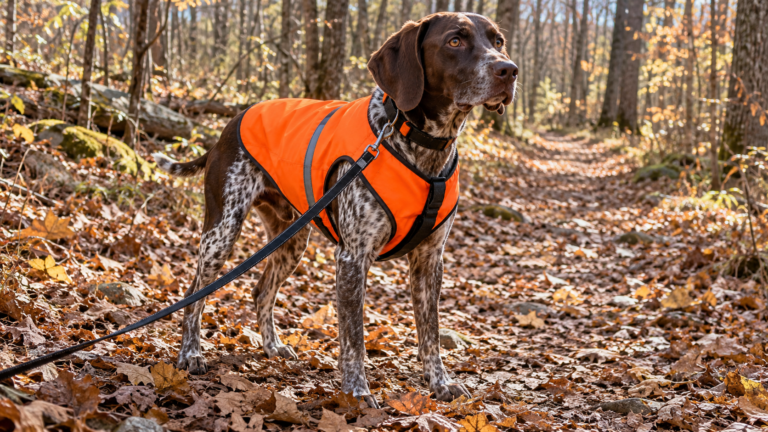
With shorter days, many outdoor workouts now happen near dawn or dusk or in the dark. Reflective clothing, lights, and bright colors help drivers and cyclists see you, and sticking to well-lit routes adds another layer of safety.
A Season of Outdoor Activity Is Within Reach
With sensible layering, a proper warm-up, attention to hydration, and awareness of the warning signs of cold stress, outdoor exercise can remain a regular part of the routine all winter long. The key is preparation, so the cold becomes just another condition to dress for.