A Seasonal Pest Problem With a Hidden Risk for Pets
As nights turn cold, mice and rats begin looking for warm, sheltered places to spend the winter, and garages, basements, attics, and wall voids all become attractive options. Many homeowners respond by setting out rodent bait or traps, which is understandable, but rodenticides are one of the most common causes of accidental poisoning in dogs and cats. Knowing how these products work, and how pets end up exposed, makes it easier to deal with a rodent problem without creating a bigger one.
Why Rodent Season Starts Now
Rodents don’t hibernate, and they don’t tolerate freezing temperatures well. Once overnight lows drop consistently, they move toward structures that offer warmth, food, and protection from predators and weather. A mouse can squeeze through a gap roughly the size of a dime, so even well-kept homes can see activity this time of year. Pest control companies typically report a spike in calls through late fall for exactly this reason.
That timing means many households are putting out bait for the first time all year right now, often in a hurry, and often in the same garages, basements, and storage areas where pets spend time or pass through.
How Rodenticides Poison Pets
Most common rodent baits work by interfering with the body’s ability to clot blood or by causing dangerous changes in the body’s calcium levels or nervous system, depending on the active ingredient. Anticoagulant baits are the most widely used type. When a pet eats enough of one, the animal can bleed internally, and the signs often don’t appear right away.
That delay is one of the most dangerous features of this kind of poisoning. A dog that eats bait may seem completely normal for two to five days before showing signs like weakness, pale gums, labored breathing, coughing, bruising, or bleeding from the nose or gums. By the time symptoms are obvious, significant internal bleeding may already have occurred, which is why prompt veterinary contact after any suspected exposure matters even when a pet looks fine.
Pets Can Be Poisoned Without Touching the Bait
Direct ingestion of bait isn’t the only route. Many baits are made with grains, seeds, or flavorings that are appealing to dogs, and some blocks are designed to taste good to rodents, which means they often taste good to pets too. Beyond that, a pet can be exposed secondhand by eating a poisoned rodent, since the toxin remains in the animal’s body. This is a particular concern for cats that hunt and for dogs that scavenge, and it means that even bait placed where a pet can’t reach it may still pose a risk if a poisoned rodent wanders into the open.
Rodents also sometimes carry bait away from the placement spot and stash it elsewhere, so a block placed behind an appliance can end up somewhere much more accessible.
Safer Ways to Handle a Rodent Problem
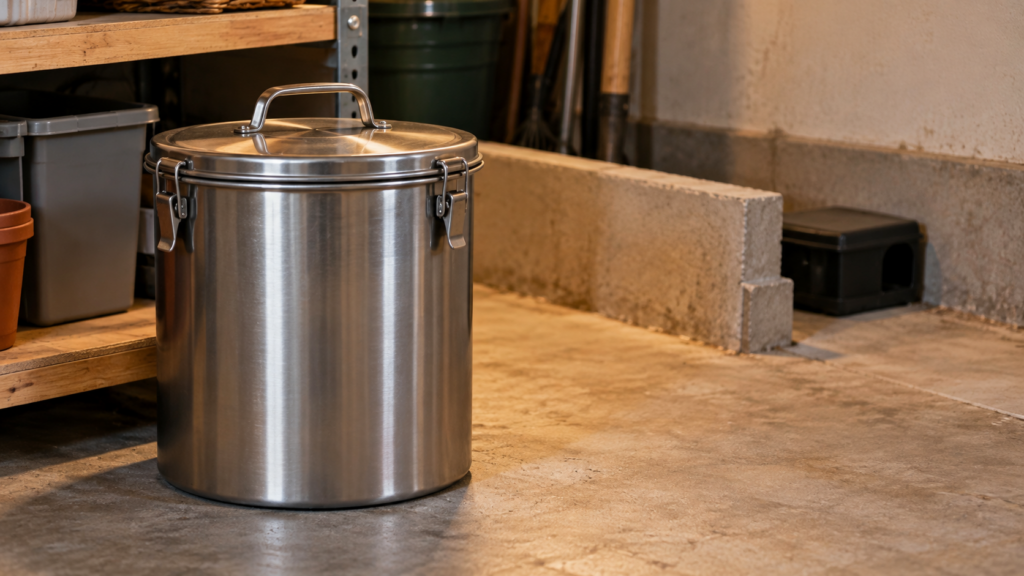
Sealing entry points is the most effective long-term strategy and carries no poisoning risk at all. Steel wool, metal mesh, and caulk can close small gaps around pipes, vents, and the foundation, and door sweeps can close the space beneath garage and exterior doors. Storing pet food, birdseed, and grass seed in sealed metal or hard plastic containers removes a major attraction.
If traps are part of the plan, enclosed snap traps and bait stations designed to keep pets out are safer than open traps or loose bait, though they still need to be placed where pets cannot get to them. Hiring a licensed pest control professional and telling them about the pets in the household lets them choose products and placement with that in mind.
Reading the Label Matters
Rodenticide packaging lists the active ingredient, and that information is exactly what a veterinarian will want if a pet is ever exposed. Keep the original packaging, or take a photo of the label, so the information is on hand rather than something you have to recall in a stressful moment. Products vary considerably in their risks and in the treatment that follows exposure, so the specific ingredient guides the response.
What to Do if You Suspect Exposure
If you think your pet may have eaten rodent bait, or a rodent that may have been poisoned, contact your veterinarian or an animal poison control hotline right away, even if your pet seems well. Bring the product packaging if you have it. Treatment is most effective when it starts early, often before any signs appear, and it typically involves decontamination or a course of medication that supports blood clotting. Don’t try to induce vomiting or give home remedies unless a veterinary professional tells you to, since the right approach depends on what was eaten and when.
Prevention Beats Treatment
Cold weather will keep pushing rodents toward the warmth of your home for the next several months, so the steps taken now will matter all winter. Sealing gaps, securing food, and choosing pet-conscious pest control methods lets you deal with the rodents without putting your pets in harm’s way.