A Fire That Reignited and Then Exploded
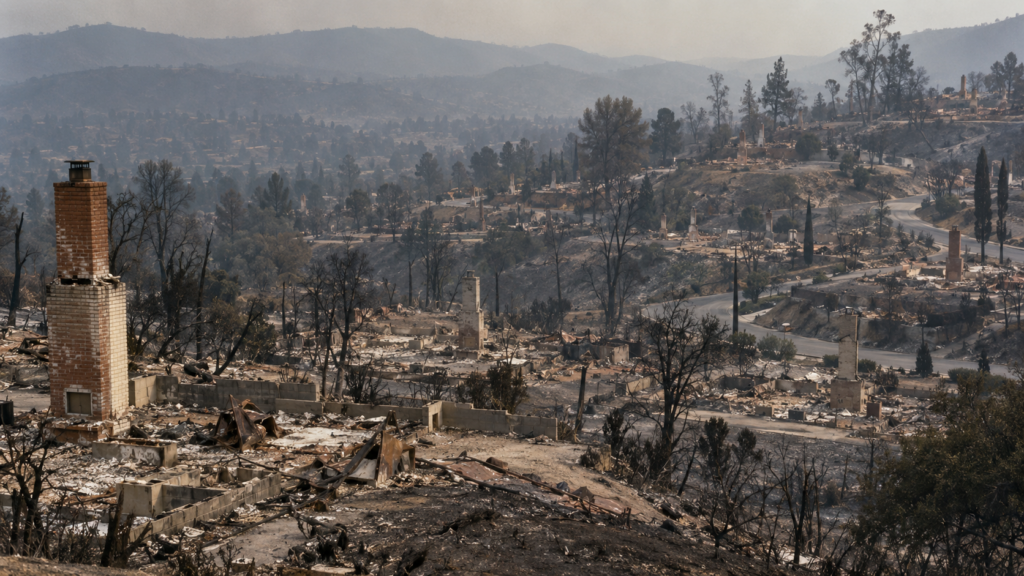
On October 20, 1991, a wildfire in the hills above Oakland and Berkeley, California, transformed within hours from a seemingly contained brush fire into one of the most destructive urban wildfires in American history to that point, ultimately destroying nearly 3,000 homes and killing 25 people. The fire’s explosive growth offers a stark case study in how specific, favorable-for-fire weather conditions can turn a manageable incident into a genuine catastrophe with almost no warning.
A Fire That Firefighters Believed Was Under Control
The disaster actually began the day before the main fire, when a smaller brush fire broke out in the same general area and was declared contained and extinguished by fire crews. Unknown to anyone at the time, smoldering embers remained alive within the brush despite appearing fully extinguished, and the following day, these embers rekindled into a new fire under conditions dramatically more dangerous than those present during the initial, successfully contained blaze.
This rekindling, occurring under the specific weather conditions that would soon develop, transformed what had seemed like a resolved incident into the start of a catastrophic event within a matter of hours.
The Diablo Winds That Drove the Catastrophe
The fire’s explosive spread was driven by Diablo winds, a dry, downslope wind pattern specific to Northern California, similar in mechanism to the more widely known Santa Ana winds of Southern California. These winds develop when high pressure builds over the interior, pushing air westward and downslope toward the coast, and as this air descends, it compresses and warms, while simultaneously losing relative humidity dramatically—conditions that can transform an already dry landscape into an extraordinarily flammable one within hours.
On the day of the fire, Diablo winds gusting up to 65 mph combined with extremely low humidity and vegetation already stressed by an extended regional drought, creating close to the most favorable possible conditions for extreme, rapid fire spread. These wind conditions didn’t just spread the fire—they actively prevented effective firefighting response, since aircraft couldn’t safely operate in such strong, gusty wind conditions, removing one of the most effective tools typically available for slowing a rapidly spreading wildfire.
An Urban-Wildland Interface That Amplified the Destruction
The Oakland Hills area represented a classic urban-wildland interface zone, where dense residential development sits adjacent to and intermixed with flammable natural vegetation, a landscape configuration that significantly amplifies wildfire risk compared to either a purely urban or purely wild landscape alone. Many homes in the affected area had wood shake roofs, a roofing material now recognized as significantly more fire-vulnerable than other common roofing options, and this widespread use of flammable roofing material allowed the fire to spread rapidly from structure to structure once it reached the residential area, in addition to spreading through the natural vegetation itself.
Narrow, winding roads typical of hillside residential development, designed for the area’s hilly terrain rather than for mass evacuation or firefighting vehicle access, significantly complicated both the evacuation of residents and the ability of firefighting resources to reach and address the rapidly spreading fire.
The Speed That Caught Residents Off Guard
The fire’s extraordinarily rapid spread—driven by the combination of extreme wind, low humidity, and abundant dry fuel—gave many residents remarkably little warning time to evacuate safely. Some residents reported having only minutes between first becoming aware of danger and needing to flee, and the fire’s speed, combined with the area’s limited road network, contributed directly to the tragic loss of life among residents who found themselves unable to evacuate in time once the fire’s full scope became apparent.
What Changed in Fire Policy and Building Codes
The Oakland Hills Fire prompted significant changes to California building codes and fire safety regulations, particularly regarding roofing materials in fire-prone areas, with wood shake roofs subsequently banned or heavily restricted in many California jurisdictions specifically because of the role this material played in the fire’s rapid structure-to-structure spread. The disaster also drove increased attention to defensible space requirements—mandated clearance of flammable vegetation around structures—and renewed focus on evacuation route planning and capacity in hillside residential developments throughout fire-prone regions of California.
The fire additionally highlighted the specific danger of rekindled fires following apparent containment, influencing subsequent firefighting protocols regarding the thoroughness of mop-up and monitoring procedures following an apparently extinguished wildfire, particularly during periods of forecasted dangerous fire weather.
A Disaster That Shaped Modern Wildfire Policy
More than three decades later, the Oakland Hills Fire remains a frequently cited case study in wildfire research and policy discussions, particularly regarding the specific dangers of wind-driven fire behavior in urban-wildland interface zones. The disaster’s combination of extreme weather conditions, vulnerable building materials, and challenging terrain for both evacuation and firefighting response continues to inform how California and other fire-prone regions approach building codes, vegetation management, and emergency planning in communities situated at the edge of fire-prone wildland areas.