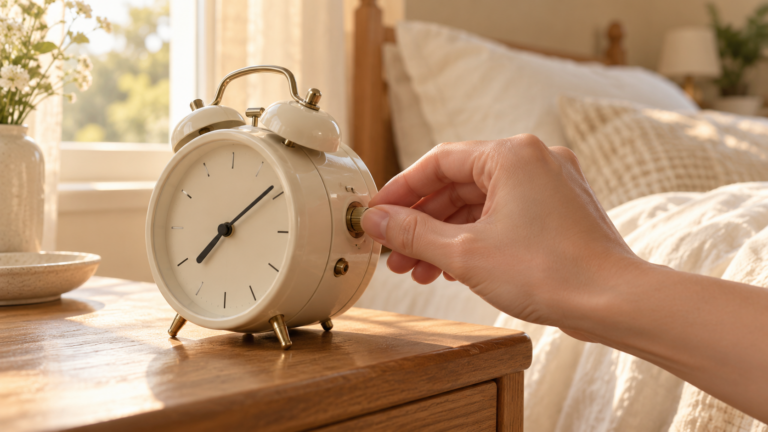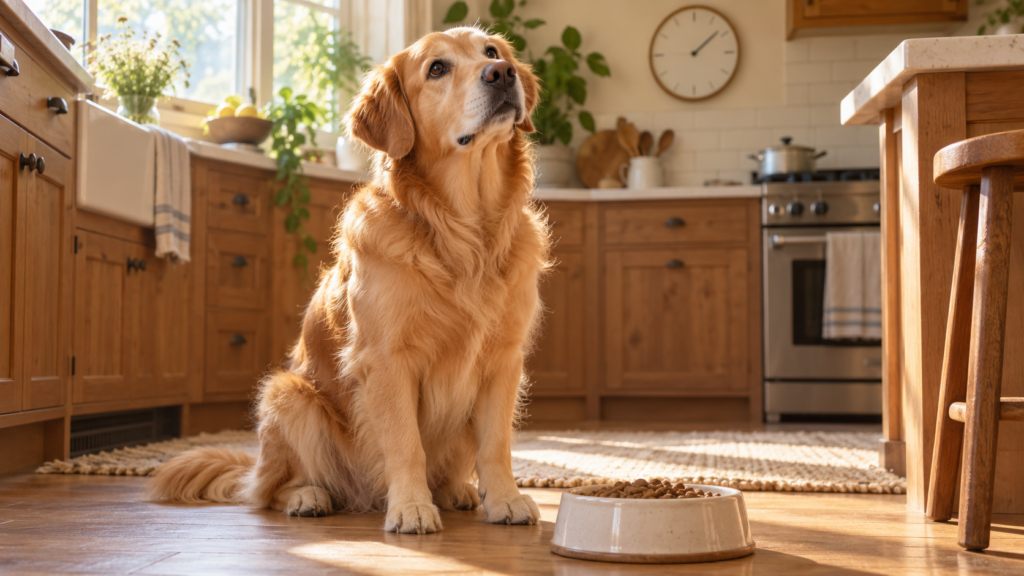
Why Pets Don’t Understand Clocks, But Notice the Shift Anyway
With daylight saving time ending in a couple of weeks, many pet owners discover that while they can simply adjust to a new clock time, their pets operate on an internal schedule considerably less flexible than a glance at a phone screen. Dogs and cats develop strong routines around feeding times, walks, and other daily activities, and these routines are driven by their own internal sense of timing and environmental cues rather than any awareness of the clock itself—meaning the hour shift can genuinely disrupt a pet’s expectations even though nothing about their actual daily schedule has conceptually changed.
Why Pets Notice the Shift So Clearly
Pets, particularly dogs, often develop remarkably precise internal timing for recurring events like meals and walks, sometimes anticipating these activities to a degree that surprises their owners. This internal timing relies partly on genuine physiological rhythms and partly on environmental cues—light levels, household activity patterns, and the owner’s own typical movements throughout the day—that shift when daylight saving time changes without warning from the pet’s perspective.
When clocks fall back, activities that previously occurred at a certain clock time now effectively happen an hour later relative to a pet’s internal sense of timing, which can produce genuine confusion or distress for a pet accustomed to a feeding time or walk that now technically occurs, from their perspective, an hour past when their body expects it.
Gradual Adjustment Works Better Than an Abrupt Shift
Rather than switching a pet’s feeding and activity schedule all at once on the day clocks change, gradually shifting meal and walk times by 10 to 15 minutes each day in the days leading up to the transition allows a pet’s internal rhythm to adjust incrementally rather than facing the full hour shift immediately. This approach mirrors the same gradual adjustment strategy sometimes recommended for human sleep schedules around a time change, applied to a pet’s recurring daily routine instead.
For households that didn’t plan ahead with this gradual approach, implementing the full shift directly on the day of the time change, then maintaining strict consistency with the new schedule going forward, still produces adjustment within several days for most pets, even without the smoother gradual transition.
Why Consistency After the Change Matters More Than Precision Beforehand
Even without a carefully planned gradual transition, maintaining firm consistency with the new post-change schedule, rather than allowing feeding and walk times to drift inconsistently in the days following the shift, helps a pet’s internal rhythm recalibrate more quickly than an inconsistent schedule would allow. Pets generally adjust to a new consistent schedule within three to seven days, similar to the general circadian adjustment timeline humans experience, provided the new schedule itself remains stable once implemented rather than continuing to shift unpredictably.
Feeding Schedule Considerations Specifically
Pets who associate mealtime with specific behavioral cues—excitement, vocalization, or hovering near their food area—may display these behaviors at the “old” expected time for several days following the change, even as the household has already shifted to the new schedule. This is a normal, temporary adjustment period rather than a sign of a genuine problem, and maintaining the new feeding schedule consistently, rather than giving in to early meal requests driven by the pet’s not-yet-adjusted internal timing, helps establish the new routine more quickly.
Walks and Outdoor Time Face an Additional Light-Related Change
Beyond the clock shift itself, the daylight saving time transition also means evening walks that previously occurred in daylight will now happen in darkness immediately following the change, compounding the schedule disruption with an actual change in light conditions during the walk itself. This is a good moment to revisit basic visibility precautions—reflective gear, proper lighting—alongside the schedule adjustment itself, since both changes are occurring simultaneously for pets accustomed to evening walks happening during daylight hours.
Senior Pets and Pets With Medical Needs Require Extra Attention
For pets on medication schedules tied to specific times, maintaining accurate medication timing relative to the clock—rather than relative to the pet’s seemingly adjusted internal sense of routine—remains important even during this transition period, since many medications require consistent spacing regardless of how a pet’s general behavioral routine is adjusting. Senior pets, who sometimes show less behavioral flexibility around routine changes generally, may take somewhat longer to fully settle into a shifted schedule compared to younger, more adaptable pets.
A Small Disruption Worth a Bit of Planning
While pets generally adjust to the daylight saving time transition within about a week regardless of how it’s handled, a bit of proactive gradual adjustment, or at minimum firm consistency once the change takes effect, can meaningfully smooth out what would otherwise be several days of a confused, possibly more vocal or anxious pet operating on a schedule that briefly feels out of sync with their own internal expectations.