A Vulnerable Population Easy to Overlook
As overnight temperatures continue dropping, outdoor and community cats—including feral cats, strays, and barn cats without full-time indoor access—face genuinely increasing risk from cold exposure, a risk that becomes considerably more serious as fall progresses toward winter. For anyone who feeds or cares for cats in their neighborhood without being their full owner, or who simply wants to help reduce suffering among a local cat population, a handful of straightforward measures can make a meaningful difference during this seasonal transition.
Why Outdoor Cats Face Real Risk as Temperatures Drop
Cats are more cold-tolerant than many people assume, having descended from desert-adapted ancestors and developing effective natural insulation through their fur coat. However, sustained exposure to genuinely cold temperatures, particularly combined with wind, rain, or snow that compromises their fur’s insulating capacity, poses real risk of hypothermia and frostbite, particularly for kittens, senior cats, or cats in poor body condition without adequate fat reserves for insulation.
Community cats without reliable access to warm shelter face considerably elevated risk compared to cats with even minimal weatherproof refuge, making shelter access one of the most impactful interventions available to anyone looking to help outdoor cats through the colder months.
Building or Providing Simple Outdoor Shelter
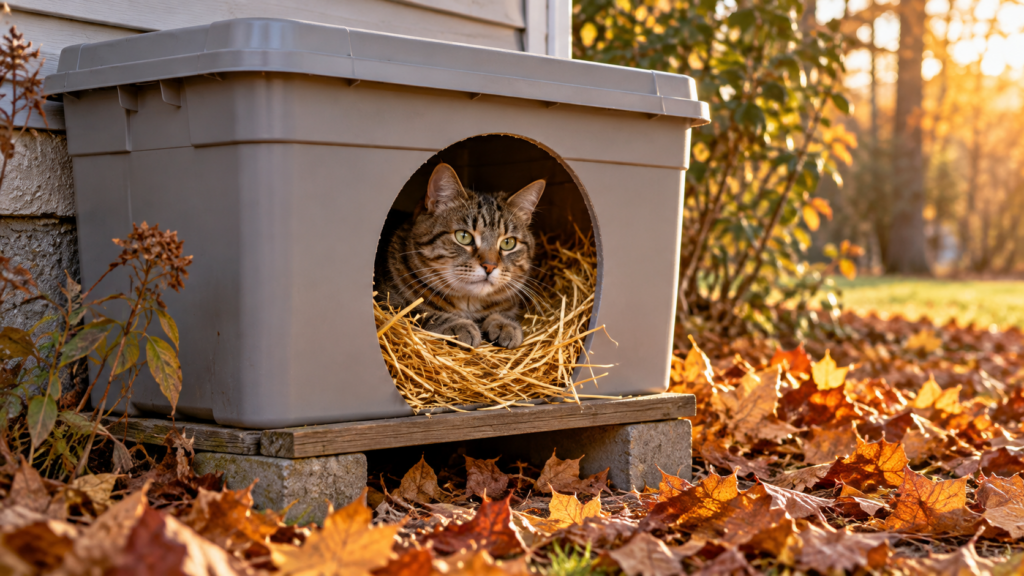
A basic outdoor cat shelter doesn’t require elaborate construction—a simple insulated structure, even something as straightforward as a large plastic storage bin with a cat-sized entry hole cut into the side, lined with straw (not blankets or towels, which absorb and retain moisture that can actually increase cold exposure rather than reducing it) provides meaningful protection from wind, precipitation, and the worst of overnight cold.
Straw specifically works better than fabric bedding because it doesn’t absorb moisture the way blankets or towels do, meaning a straw-lined shelter stays genuinely insulating even if some moisture gets inside, while a fabric-lined shelter can become damp and actually colder than having no bedding at all once dampness sets in. Positioning shelters in a relatively hidden, sheltered location—against a building, under a porch, or in a similarly wind-protected spot—provides additional protection beyond what the shelter structure alone offers.
Water Access Becomes Harder as Temperatures Drop
Outdoor water sources freeze readily once temperatures drop consistently below freezing, and maintaining access to unfrozen water becomes a genuine challenge for anyone feeding outdoor cats through the colder months. Heated water bowls, designed specifically to prevent freezing, solve this problem directly for anyone with access to an outdoor electrical outlet. Without that option, checking and refreshing water multiple times daily during freezing conditions, or using a bowl specifically designed to resist freezing through its material properties, helps maintain access during the hours cats are most likely to need it.
Feeding Adjustments for Colder Weather
Outdoor cats burn more calories maintaining body temperature in cold weather, and some outdoor cat caretakers increase feeding quantity somewhat during the coldest months to help support this increased energy need, though this should be balanced against not overfeeding cats who may also be receiving food from other sources. Feeding at consistent times, ideally during daylight hours when cats are more likely to be actively seeking food rather than already sheltering from the cold, helps ensure food is consumed while still reasonably fresh rather than freezing before a cat has the chance to eat it.
Checking Under Vehicles Before Starting Them
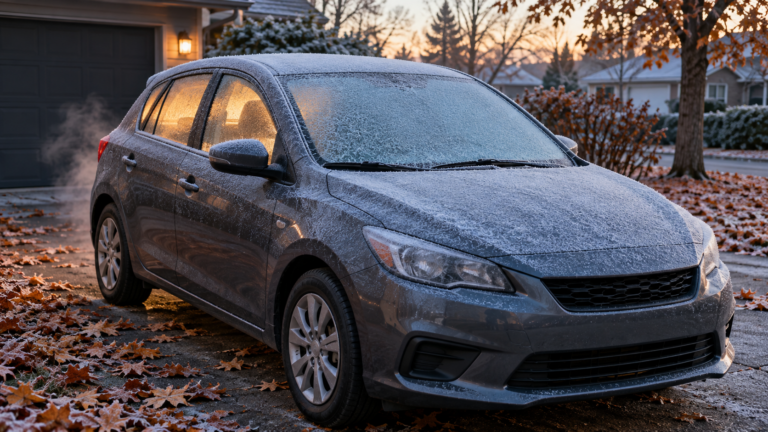
This is a specific, genuinely important seasonal safety reminder: outdoor cats frequently seek out the residual warmth of a recently driven vehicle’s engine compartment during cold weather, sometimes climbing up into the engine area itself for warmth and shelter from wind. Checking under a vehicle, and knocking on the hood before starting the engine if a cat might be present, is a simple habit that can prevent serious injury to a cat that’s sought shelter in a genuinely dangerous location without anyone realizing it was there.
Trap-Neuter-Return Programs and Community Resources
For anyone caring for a larger community cat population, connecting with local trap-neuter-return (TNR) programs, if available in your area, provides both population management support and often access to additional resources like discounted shelter supplies or veterinary care specifically for community cats. Many areas have established community cat coalitions or rescue organizations that can provide guidance, support, and sometimes direct resources for anyone taking on outdoor cat care responsibilities as the season turns colder.
Small Interventions With Meaningful Impact
None of these measures require significant expense or specialized expertise, yet together they can substantially improve outdoor and community cats’ ability to safely navigate the colder months ahead. For anyone already feeding or caring for cats in their neighborhood, extending that care to include basic cold-weather shelter and water access represents a meaningful, achievable way to reduce genuine suffering during a season that poses real risk to cats without reliable access to warm, indoor shelter.