The Market Is Changing. Here’s How to Cook What’s There Right Now.
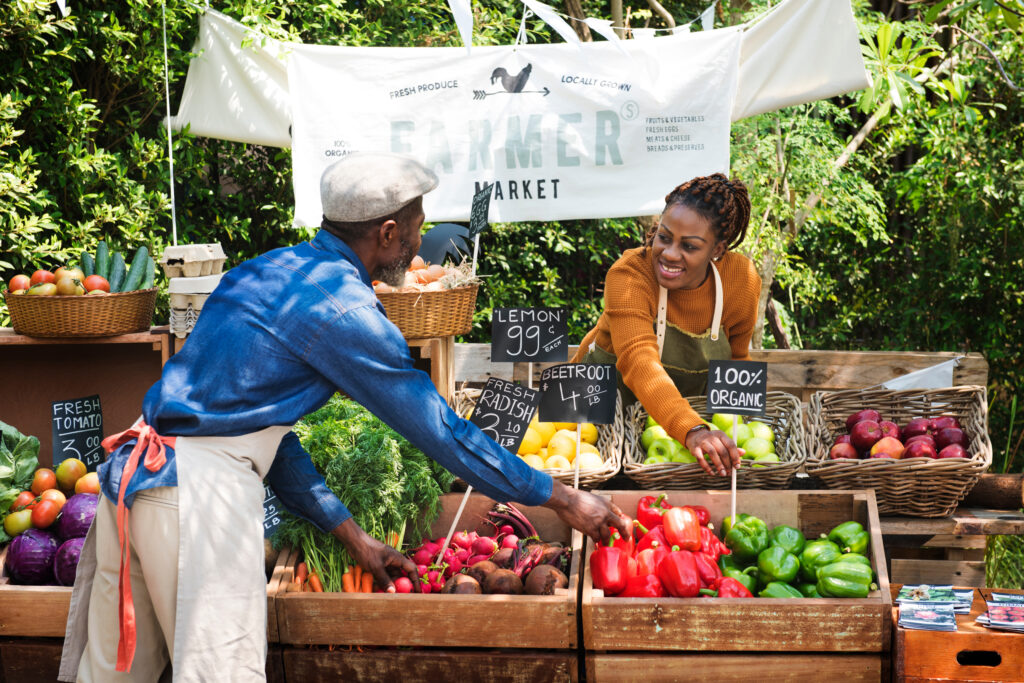
The farmers market in late May and early June looks completely different from the one you visited in April. The tender spring greens and radishes that defined early spring have given way to something more substantial: the first summer squash, small and tender before heat makes them woody. Early tomatoes from greenhouse growers and the warmest microclimates. Sweet corn arriving weeks ahead of the main season crop. The first peaches and cherries of stone fruit season. Basil so fragrant it perfumes your entire kitchen.
This is the transitional market — not yet the full abundance of midsummer, but clearly no longer spring. The produce arriving right now has a particular quality: it’s the first of its kind this year, and first-of-season produce consistently tastes more vivid and alive than the same produce at peak abundance weeks later. These recipes are built to honor that quality without overworking it.
Burst Tomato Pasta
Early summer tomatoes — cherry tomatoes and small heirlooms from the first warm-climate crops — have an intensity that the large beefsteaks of August haven’t yet developed. They’re small, sweet, and slightly acidic in a way that makes this dead-simple pasta one of the best things you can make right now.
Heat three tablespoons of good olive oil in a wide skillet over medium-high heat. Add two pints of cherry or small heirloom tomatoes — mixed colors if available — and cook without stirring for three to four minutes until the skins begin to blister and split. Add four minced garlic cloves, a pinch of red pepper flakes, and salt. Stir and press the tomatoes gently with the back of a spoon to encourage them to burst and release their juice. Cook another three to four minutes until the tomatoes have collapsed into a rough, jammy sauce with pools of olive oil running through it.
Cook a pound of spaghetti or linguine until just al dente, reserving a cup of pasta water. Add the pasta directly to the tomato skillet with a splash of pasta water and toss over medium heat until the pasta is coated. Remove from heat and tear a large handful of fresh basil over the top. Finish with a drizzle of your best olive oil and a generous amount of Parmesan if desired.
Why now: First-of-season cherry tomatoes have a sweetness and acidity that make this sauce taste remarkably complex for its simplicity. The same recipe in January with supermarket tomatoes is a different, lesser dish.
Zucchini Fritters with Yogurt Dipping Sauce
The first zucchini of summer are small, tender, and without the pithy centers that develop as the season advances and plants overproduce. These fritters take advantage of that early-season quality — the grated zucchini is tender enough that the fritters hold together without the texture becoming stringy.
Grate three medium zucchini on the large holes of a box grater. Toss with a teaspoon of salt in a colander and let drain for 20 minutes, then squeeze as much liquid as possible from the grated zucchini using your hands or a kitchen towel. The drier the zucchini, the crispier the fritters — this step is not optional.
Combine the squeezed zucchini with two beaten eggs, half a cup of crumbled feta, a quarter cup of all-purpose flour, three tablespoons of chopped fresh dill or mint, a sliced scallion, and black pepper. Mix until just combined. The batter will be thick and sticky.
Heat a thin layer of olive oil in a wide skillet over medium-high heat. Drop spoonfuls of batter and flatten slightly. Cook three to four minutes per side until deeply golden and crisp. Drain on paper towels.
For the sauce: whisk together a cup of plain Greek yogurt, a minced garlic clove, the juice of half a lemon, two tablespoons of olive oil, and salt. Serve the fritters warm with the yogurt sauce.
Why now: Small early-season zucchini produce fritters with a clean, delicate flavor. Wait until August when zucchini are the size of baseball bats and the flavor is entirely different.
Grilled Corn with Compound Butter
Corn arriving at markets in late May and early June is early-season sweet corn — not the peak-season corn of August, but fresher and more tender than anything available in winter. Grilling it in the husk, then finishing with a flavored butter, is the treatment it deserves.
Soak ears of corn in their husks in cold water for 30 minutes. Place directly on a hot grill and cook for 15 to 20 minutes, turning occasionally, until the husks are charred and the corn steams inside them. Pull back the husks and char the kernels directly over the flame for another two to three minutes.
Make the compound butter while the corn soaks: mash together four tablespoons of softened butter with the zest of one lime, a tablespoon of fresh lime juice, a minced garlic clove, half a teaspoon of smoked paprika, a pinch of cayenne, and salt. Roll in plastic wrap and refrigerate until needed.
Slather the hot corn with compound butter immediately after charring. The butter melts into the kernels and the smoke from the charred husks gives the corn a flavor that boiling and steaming cannot approximate.
Why now: Early corn is tender and sweet in a way that distinguishes it from the larger, starchier ears of midsummer. Grill it simply and let the season speak.
Stone Fruit Galette
The first cherries and peaches of the season arrive in late May and early June in the warmest growing regions, and they deserve a preparation that showcases their flavor without obscuring it. A galette — a free-form tart with a rustic folded crust — is exactly that: a vehicle for fruit that takes less effort than a proper pie and looks more impressive than a crumble.
For the crust: combine one and a quarter cups of all-purpose flour, a tablespoon of sugar, and half a teaspoon of salt. Cut in eight tablespoons of cold butter until the mixture resembles coarse crumbs with some pea-sized pieces. Add three tablespoons of ice water and mix until the dough just comes together. Flatten into a disc, wrap, and refrigerate for at least an hour.
For the filling: combine two cups of pitted cherries, two sliced peaches, three tablespoons of sugar, a tablespoon of cornstarch, a teaspoon of vanilla, and the zest of half a lemon. Toss gently.
Roll the chilled dough on a floured surface into a rough 12-inch circle — it doesn’t need to be perfect. Transfer to a parchment-lined baking sheet. Pile the fruit in the center leaving a three-inch border. Fold the border up and over the fruit’s edge, pleating as you go. Brush the crust with egg wash and sprinkle with coarse sugar. Bake at 400°F for 35 to 40 minutes until the crust is golden and the fruit is bubbling.
Why now: First-of-season cherries and peaches have a brightness that peaks in early summer. The same galette made with peak-August fruit is delicious but different — richer, softer, less vivid. The early fruit has an edge to it that the crust and sugar balance perfectly.
A Word About Cooking With What’s First
The best argument for cooking seasonally isn’t environmental or philosophical — it’s sensory. First-of-season produce tastes different from the same produce at abundance or at the end of the season, and differently again from the same produce available year-round from distant growing regions. The difference isn’t subtle. The first cherry tomato of June and a January supermarket cherry tomato are not the same food in any meaningful sense.
The recipes above are simple because first-of-season produce doesn’t need much help. Its job is to taste like itself, and the cook’s job is to stay out of the way. That’s the whole philosophy of summer cooking, and late May is exactly when it begins to apply.