The Same Weather, A Different Body
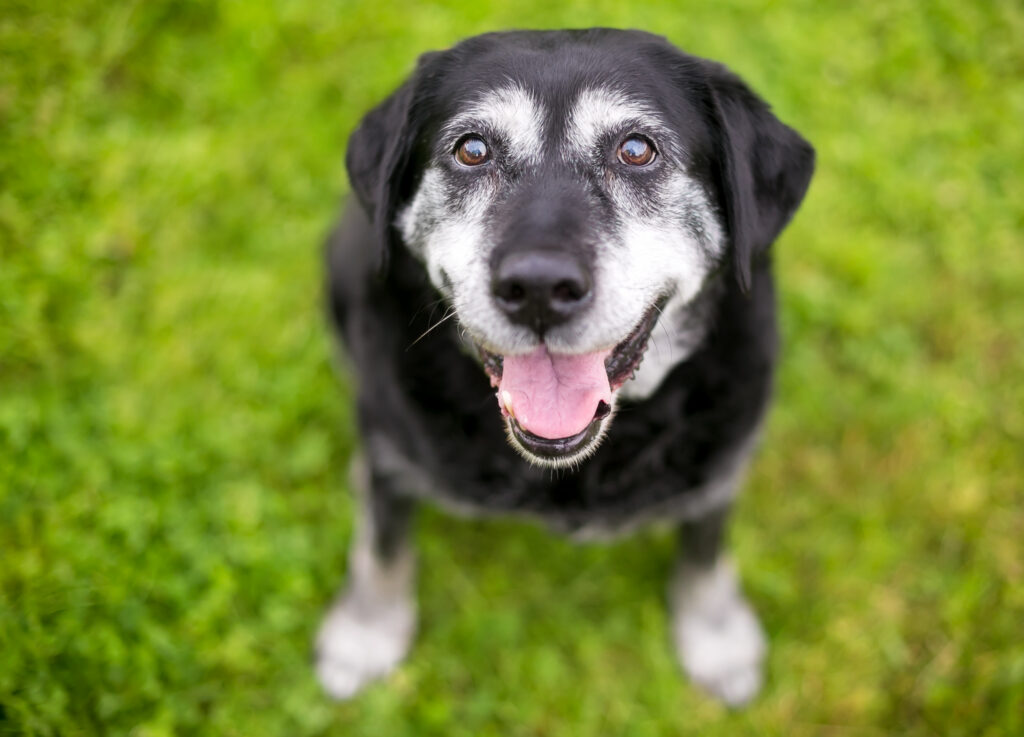
A healthy five-year-old Labrador and a twelve-year-old Labrador can spend the same afternoon outside and have entirely different physiological experiences. The younger dog’s cardiovascular system adjusts efficiently to heat. Its joints move freely through the full range of motion required for walking on uneven ground. Its thermoregulatory system responds quickly to changing conditions. The older dog is managing the same afternoon with reduced cardiac reserve, arthritic joints that stiffen in humidity, a less responsive immune system, and organ function that has declined enough to affect how it processes the heat, the cold, and the physical demands of the day.
Senior pets — generally defined as dogs over seven to eight years (earlier for large breeds) and cats over ten — experience weather differently from younger animals in ways that are specific, predictable, and largely manageable once understood. As late May delivers its first sustained warm weather, the seasonal transition that younger pets handle with minimal difficulty can create real health challenges for older animals whose physiological reserves have diminished with age.
Thermoregulation Declines With Age
The ability to regulate body temperature — maintaining core temperature within the narrow range compatible with normal organ function despite external temperature changes — deteriorates with age in both dogs and cats through several mechanisms.
The hypothalamus, which functions as the body’s thermostat, becomes less sensitive with age. Older animals respond more slowly to temperature changes, both initiating cooling mechanisms later when temperatures rise and initiating warming mechanisms later when temperatures drop. This delayed response means older pets can drift further from their optimal temperature before the body recognizes and corrects the deviation.
Cardiovascular function declines with age in ways directly relevant to thermoregulation. Cooling in hot weather requires the heart to increase output to move blood from the core to the skin surface for heat dissipation. An older heart with reduced reserve capacity may not be able to sustain this increased output for as long as a younger heart, meaning older pets fatigue their thermoregulatory system faster during heat exposure and are at greater risk of heat stress at temperatures younger animals handle comfortably.
Muscle mass typically decreases with age — a process called sarcopenia — and muscle is one of the body’s primary heat-generating tissues. Senior pets have less thermogenic capacity in cold weather and may become chilled at temperatures that don’t affect younger housemates. A senior dog that seems comfortable at 60°F may be genuinely cold at 50°F in a way a younger dog in the same household isn’t.
The practical implication is that senior pets need more active temperature management than younger animals and should not simply be assumed to be comfortable because a younger housemate is comfortable. They need warmer bedding in cool weather, more shade and cooling intervention in hot weather, and closer monitoring through any significant temperature change.
Joint Disease and Weather Sensitivity
Osteoarthritis — degenerative joint disease — is extremely common in older dogs and cats, with estimates suggesting that 80 percent or more of dogs over eight years old have some degree of articular cartilage degeneration. As covered in the weather and joint pain article earlier in this series, barometric pressure changes and cold, damp conditions are associated with increased joint pain in humans with arthritis — and the same appears to be true in companion animals.
Senior pets with arthritis often show worsening mobility, reluctance to rise from rest, stiffness after lying down, and behavioral changes consistent with pain on cold, damp days and during periods of dropping barometric pressure. These are the same weather conditions that precede storms — exactly the days when a senior dog may seem unusually reluctant to go for its morning walk or a senior cat may be less active and more irritable than usual.
Recognizing these weather-related arthritis flares as physiological rather than behavioral — the pet isn’t being stubborn, it’s in more pain than usual — allows for appropriate management. On high-pain weather days, shortening walks, warming joints with a gentle massage before activity, ensuring the animal’s resting area is well-padded and away from cold drafts, and consulting with a veterinarian about appropriate pain management options are all responses that improve the senior pet’s experience of the difficult weather day.
Warm, dry weather tends to be the most comfortable for arthritic senior pets — the same conditions humans with joint pain prefer. Late spring’s warm, low-humidity days often produce the most mobile and comfortable days of the year for older animals whose joints have struggled through winter and the damp variability of early spring.
Kidney and Organ Function in Heat
The kidneys are among the organs most affected by aging in dogs and cats, and kidney function has direct implications for weather-related health. Chronic kidney disease is the most common organ disease in senior cats and is highly prevalent in senior dogs. Even in animals without diagnosed kidney disease, kidney function declines with age in ways that affect fluid balance and heat tolerance.
Kidneys regulate the body’s water and electrolyte balance — they determine how much water is retained versus excreted, maintain the sodium and potassium concentrations that allow cells to function, and clear metabolic waste products from the blood. In hot weather, when the body is losing water through panting and sweating, healthy kidneys compensate by producing more concentrated urine and conserving water. Aging kidneys with reduced concentrating ability are less effective at this compensation, meaning senior pets become dehydrated more quickly in hot weather than their age-matched younger counterparts would.
This reduced concentrating ability also means that senior pets with kidney disease or age-related kidney decline require more water intake to maintain adequate hydration — both because they lose more fluid in hot conditions and because their kidneys need higher fluid throughput to clear waste products effectively. Heat waves that produce only mild dehydration in healthy younger pets can trigger acute kidney deterioration in senior animals whose kidney reserve is already reduced.
Ensuring senior pets have continuous access to fresh, appealing water during warm weather — and actively encouraging drinking by offering wet food, adding water to dry food, or using a pet fountain — is more important for older animals than for younger ones. Any senior pet that seems to be drinking substantially less than usual during warm weather warrants veterinary attention.
Cognitive Changes and Weather Stress
Canine cognitive dysfunction — the dog equivalent of dementia — becomes increasingly common in dogs over ten years and affects a significant proportion of dogs over fifteen. Cats develop a similar condition. Animals with cognitive dysfunction show disorientation, altered sleep-wake cycles, increased anxiety, and reduced ability to adapt to environmental changes.
Weather changes that produce noise (thunderstorms), pressure shifts (frontal passages), and temperature disruptions (heat waves, cold snaps) are all environmental changes that cognitively compromised senior pets handle less well than younger animals or cognitively intact seniors. A thunderstorm that produces manageable anxiety in a seven-year-old dog may produce severe panic in a fourteen-year-old with cognitive dysfunction — the animal is less able to contextualize the sensory experience and more easily overwhelmed by it.
Managing weather stress in cognitively compromised senior pets requires more proactive intervention than in younger animals. Establishing a consistent, familiar safe space that the animal knows before a storm arrives, maintaining routine as much as possible during weather disruptions, and consulting with a veterinarian about appropriate anti-anxiety medications for storm season are all components of care that become more important as cognitive function declines.
Immune Function and Seasonal Illness
The immune system declines with age — a process called immunosenescence — leaving senior pets more vulnerable to infections and slower to recover from illness. This has specific weather-related implications during seasonal transitions.
The same respiratory viruses that spread more readily in the damp, variable conditions of spring and fall affect senior pets more severely than younger ones. A kennel cough exposure that produces a mild cough in a two-year-old dog may cause a prolonged, complicated respiratory illness in a twelve-year-old. A fungal spore inhaled while digging in spring soil that a younger dog’s immune system clears without incident may establish an infection in an older animal.
Spring’s combination of increased outdoor activity, exposure to other animals, and contact with soil and plant material that harbors seasonal pathogens makes it a higher-exposure period for infectious illness. Senior pets should be current on appropriate vaccinations — including leptospirosis vaccination for dogs with outdoor exposure, which is particularly relevant in spring flooding conditions — and any respiratory symptoms, lethargy, or loss of appetite in a senior pet following outdoor activity warrants prompt veterinary evaluation rather than a wait-and-see approach.
Adjusting Seasonal Activity for Senior Pets
The activity adjustments appropriate for senior pets during seasonal weather transitions are extensions of the same principles that apply to all pets, calibrated to reduced physiological reserve.
In warm weather, senior pets need shorter, cooler-timed outdoor activity than younger housemates. A healthy young dog may tolerate a 45-minute morning walk at 75°F; a senior dog with arthritis and early kidney disease should probably be limited to 20 minutes at the same temperature. The visible enthusiasm of an older dog for outdoor activity is not a reliable guide to its physical tolerance — many senior pets will push through discomfort to participate in activities they love, relying on their owners to set limits their own bodies won’t.
In cold or damp weather, senior pets benefit from sweaters or coats that younger animals don’t need — not as anthropomorphic indulgence but as genuine thermoregulatory support for animals whose own heat-generating capacity has declined. Warming up joints before activity with a few minutes of gentle movement indoors, rather than walking directly from a warm house into cold air and immediately demanding full-speed mobility from stiff joints, reduces the injury risk that increases with arthritic age.
Veterinary check-ups twice yearly rather than annually are the standard recommendation for senior pets, and spring — when the outdoor season begins and weather-related health challenges increase — is a natural time for a wellness visit that assesses the specific conditions most relevant to the coming warm months: joint health, kidney function, cardiac reserve, and overall resilience for the season ahead.
Paying Closer Attention
Senior pets give back something specific in exchange for the extra care they require: years of accumulated relationship, the trust built through a shared history, and a companionship that has deepened precisely because it has been sustained through all the seasons. Paying closer attention to how weather affects them — recognizing the storm anxiety as cognitive vulnerability, the reluctant morning walk as arthritis pain, the reduced appetite in heat as kidney stress — is the form of care that matches what they’ve given.
The weather that passes unremarked over a younger animal may be the thing that determines whether an older one has a good day or a difficult one. Knowing the difference is most of what it takes to help.